Two Easy Ways to Start Earning Rewards!
Earn 2X Pals Rewards points at Petco
when you use Petco Pay!
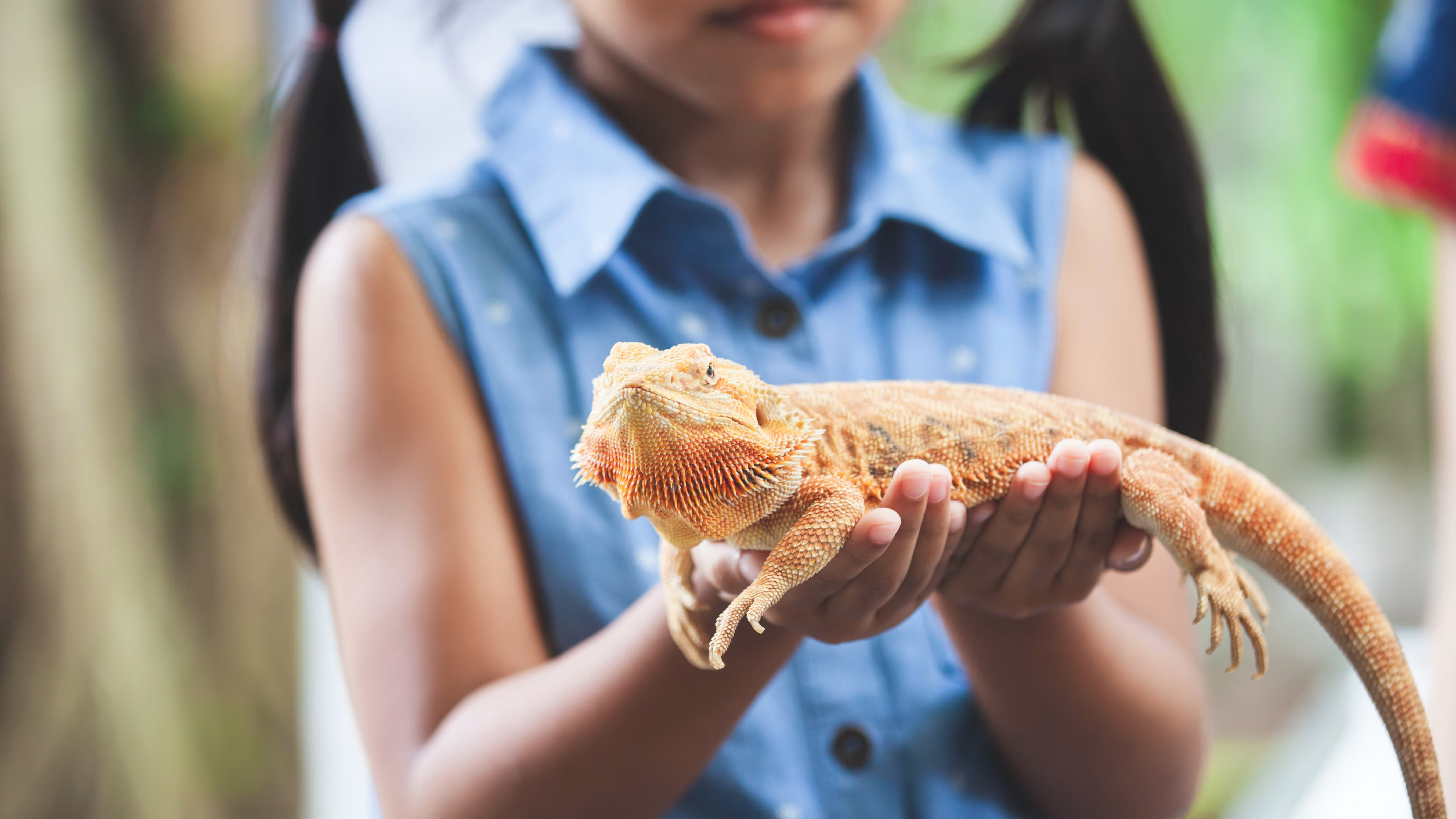
Learn how to setup your reptiles terrarium to ensure your reptile lives a wholesome & happy life. Shop at your local Petco for all reptile terrarium needs.
Updated on October 23rd, 2025
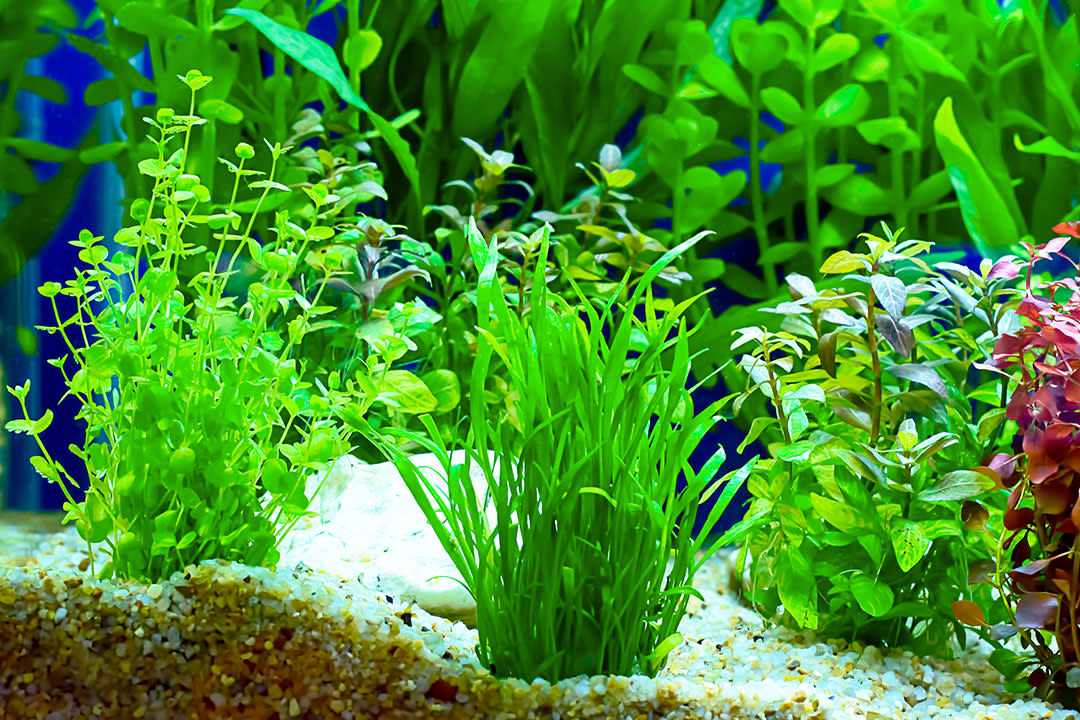
Tanks with live plants can be excellent additions to your home, bringing a touch of nature indoors. Learn how to take care of aquatic plants.
Updated on November 6th, 2025
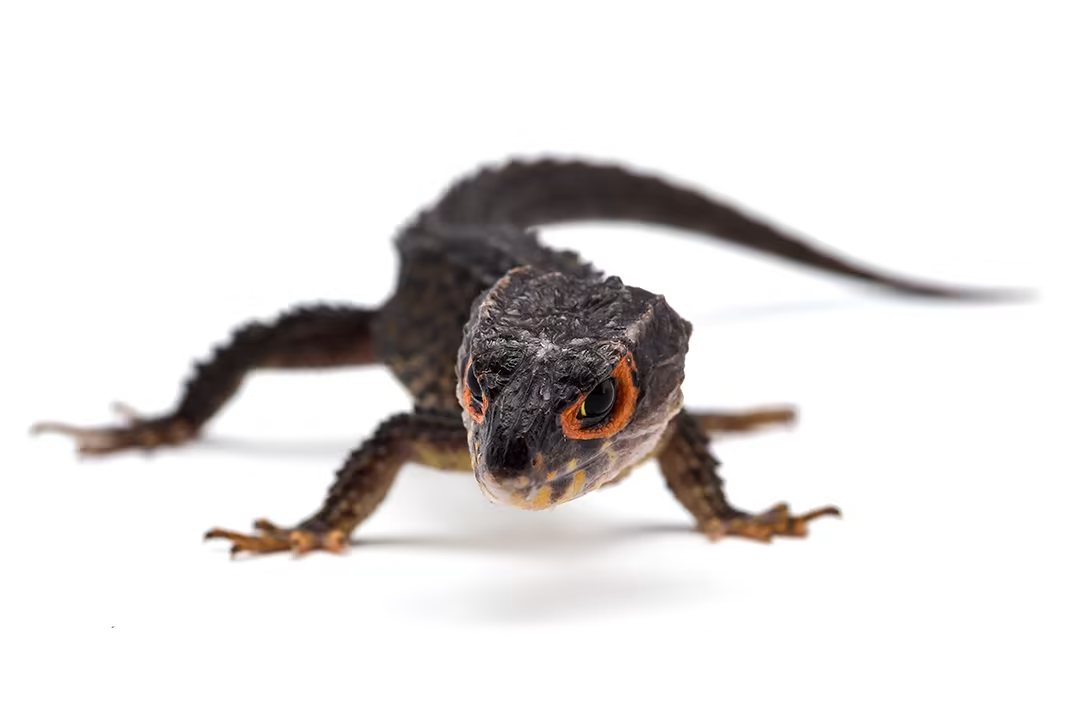
Learn how to care for Red-Eyed Crocodile Skink, recommended diet & aquarium setup. Find the right food, supplies & equipment at your neighborhood Petco.
Updated on October 23rd, 2025
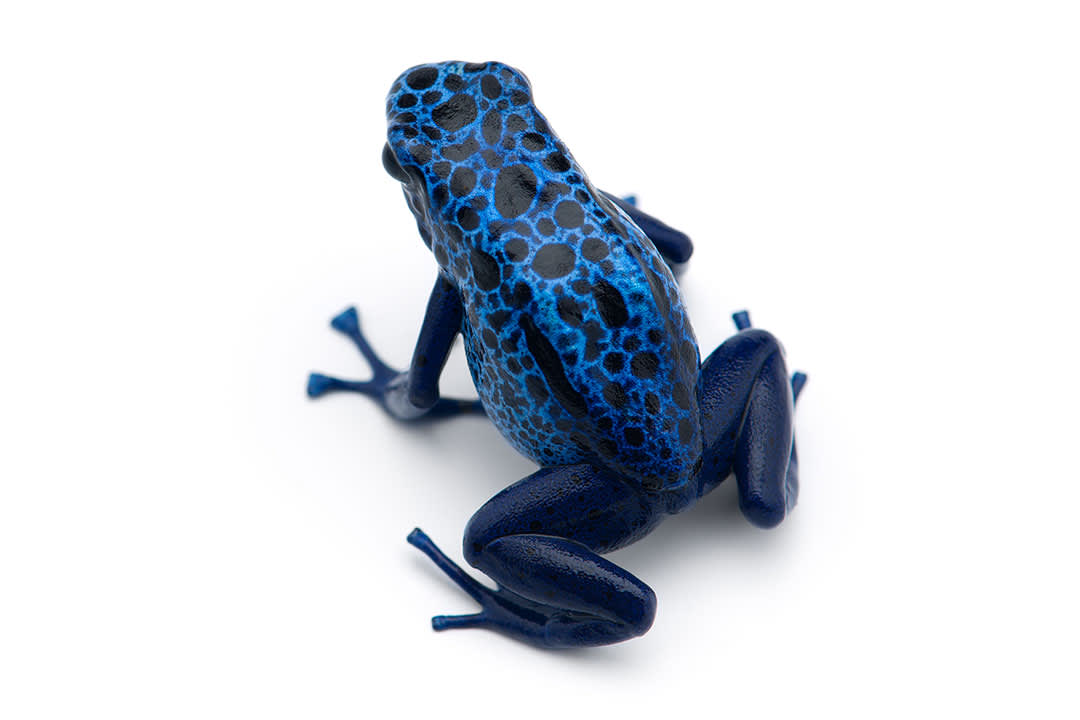
Learn how to care for small Terrestrial Frogs, recommended diet and habitat setup. Find the right food, supplies and equipment at your neighborhood Petco.
Updated on October 23rd, 2025

A few ideas to use to get your pet safely through a power outage, regardless of the time of year.
Updated on October 23rd, 2025
Echevaria (hen and chicks), Dracaena, Marigold, Boston fern or Bird's Nest fern are safe. Be forewarned though, any plant you put in the viv will be eaten or trampled. You may also have difficulty maintaining proper humidity levels with live plants.
Updated on September 24th, 2025
Bearded dragon owners can also add plants to the habitat, but take care when adding real plants. If a live plant is in the habitat, the bearded dragon might decide to use it as a snack. If the plant is toxic to bearded dragons, your pet could end up very sick, or dead. Artificial plants are the best option since they are easy to clean, never need water, and are very naturalistic. Most pet stores carry a wide variety of artificial plants to choose from. If you decide to use live plants, junipers are one of the most recommended plants to use. Junipers are slow-growing and do not require much water.
Updated on September 24th, 2025
It does appear to be of the takydromus species. These grass lizards are common and fairly easy to keep. Being adept climbers, more vertical space should be offered in an enclosure. Branches and vines can be placed for climbing. Bring reptiles, they need an external heat source and UVB lighting. Daytime temps can range from 24 C to 30 C (75-85 F). Provide a basking spot of around 35 C to 38 C (95-100 F) using a heat lamp. Aim for 70-80% humidity. Provide a shallow bowl for water. Mist the cage daily. Feed appropriately sized prey, no bigger than the space between the eyes, that have been gutload for 24 hours prior to offering. This will maximize nutritional value. Crickets, mealworms, dubia roaches, waxworms or wingless fruit flies can all be offered. Dust prey with a calcium supplement and a multivitamin supplement several times weekly. Ideally, the wound should be addressed by a veterinarian experienced in treating reptiles. You can clean it with dilute Betadine or chlorhexidine
Updated on September 24th, 2025
A better option would be to use the link below to find a veterinarian experienced in treating reptiles. https://arav.site-ym.com/search/custom.asp?id=3661 In the meantime, change out the rocks for something "softer", such as a soil/most mix. Rocks can cause tiny scrapes on the shell which can introduce infection. Use a thermometer in the basking spot to make sure temps don't get too high. A thermometer on the other end would be recommended to make sure temps aren't too low. Offer a commercial pelleted diet along with fresh greens and vegetables.
Updated on September 24th, 2025
Firstly remove all small branches and leaves. The safest method is putting the wood in the oven if it fits. You need to put it in at 200F and cook for 2 to 3 hours, do not leave unattended. You can soak bigger pieces for 24 hours in a cup of bleach to 1 gallon water solution in the bath. Then you must rinse thoroughly and repeat the soaking at least 5 times in clean water to remove the bleach. Then air dry the wood. Obviously the bleach has to be properly removed. Personally I would use the oven method and if not just buy ready made wood from the pet shop.
Updated on September 24th, 2025