Two Easy Ways to Start Earning Rewards!
Earn 2X Pals Rewards points at Petco
when you use Petco Pay!
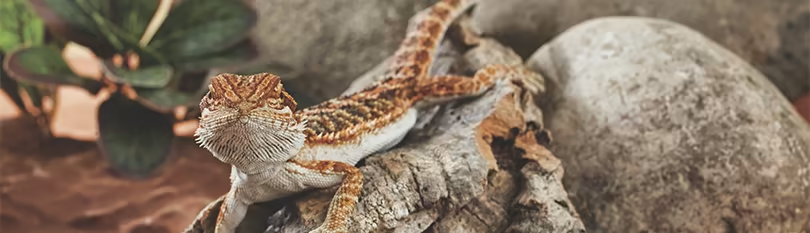
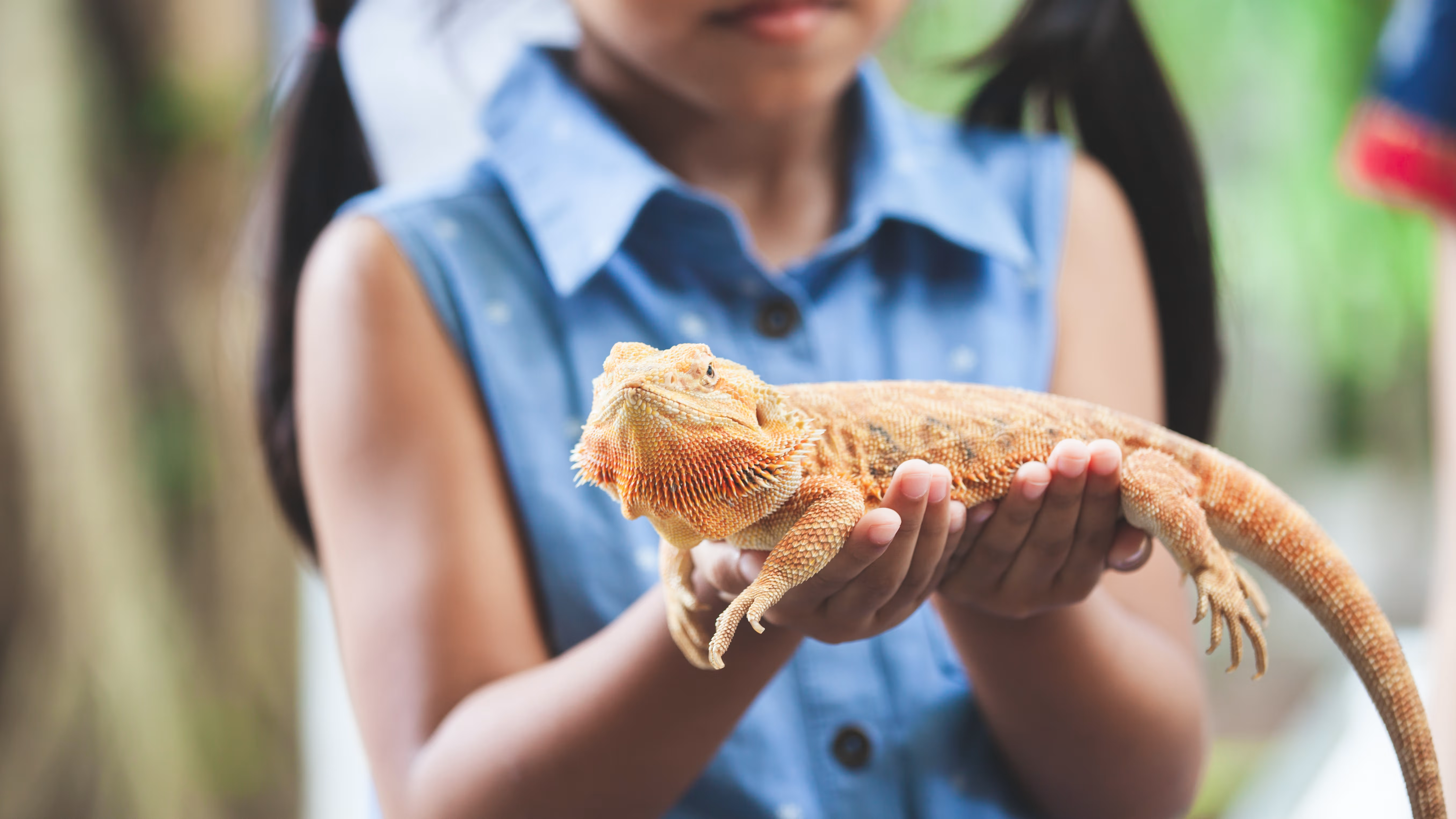
When it comes to reptile habitats, one of the most essential elements to creating a happy home for your pet is including the appropriate type of lighting. Zoo Med helps outline which lights are right for your pet.
Updated on October 23rd, 2025
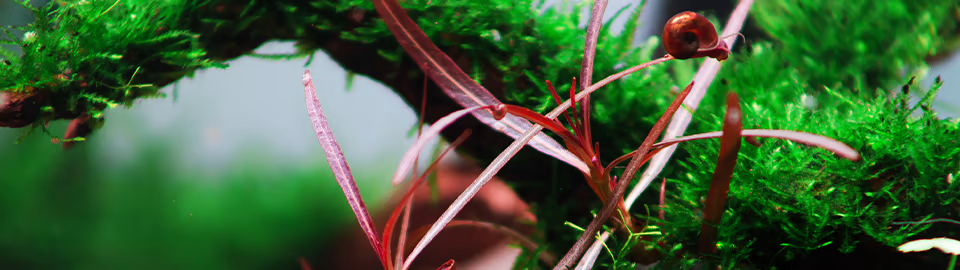
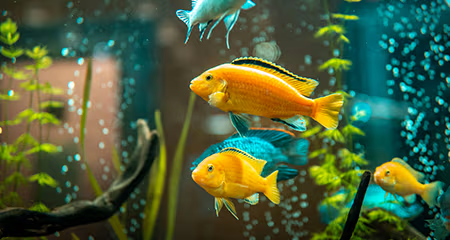
Learn more about Hygrophila care here at Petco. Hygrophila liven up any aquarium with proper care. Learn how to keep them happy & healthy.
Updated on October 23rd, 2025
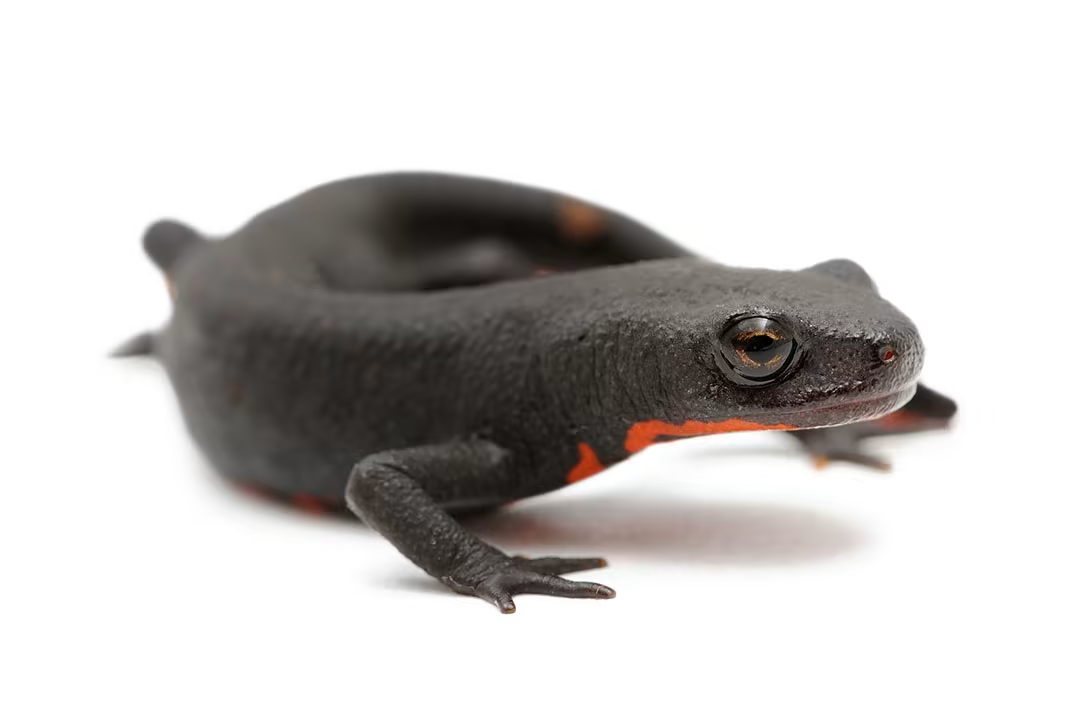
Learn How to Care for a Salamander & Newts, recommended diet and habitat setup. Find the right food, supplies and equipment at your neighborhood Petco.
Updated on October 23rd, 2025
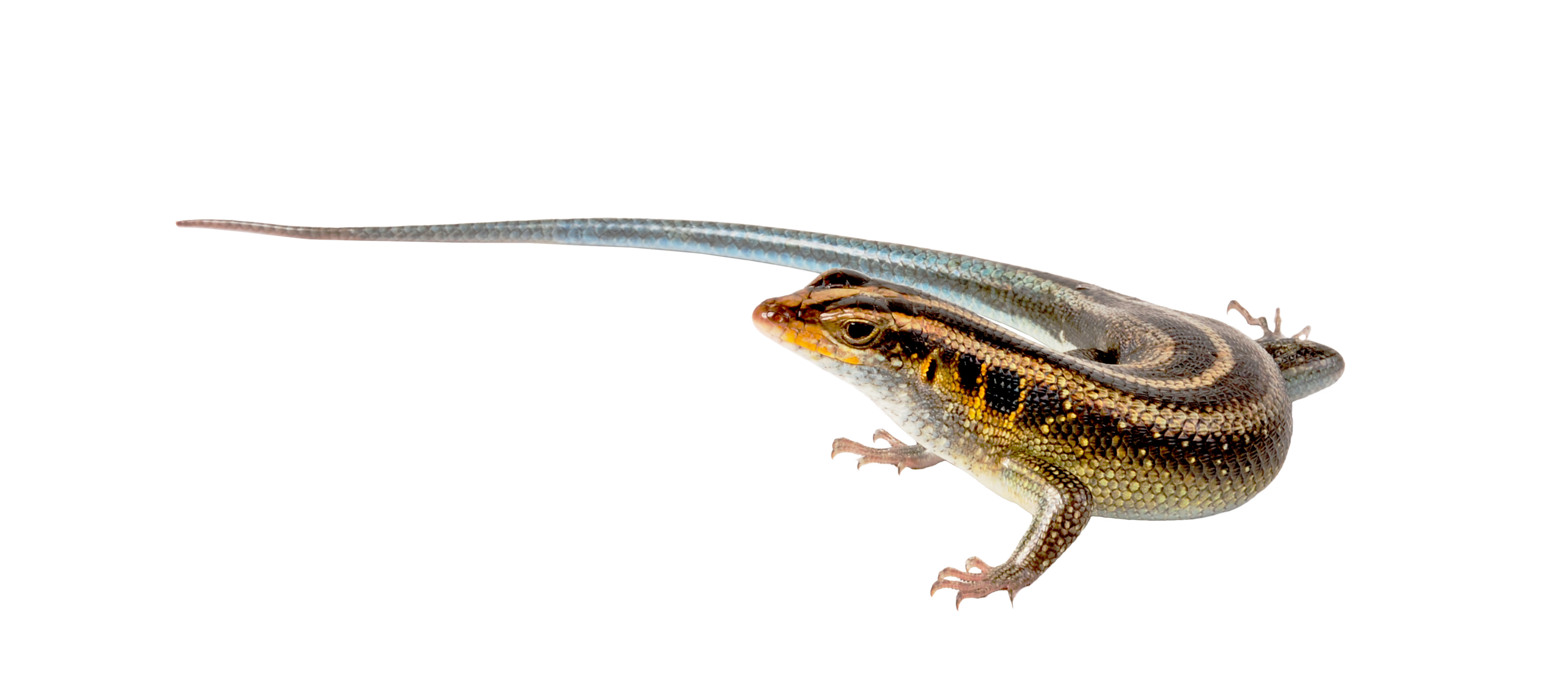
Learn how to care for an Arid Skink, recommended diet and habitat setup. Find the right food, supplies and equipment at your neighborhood Petco.
Updated on October 23rd, 2025
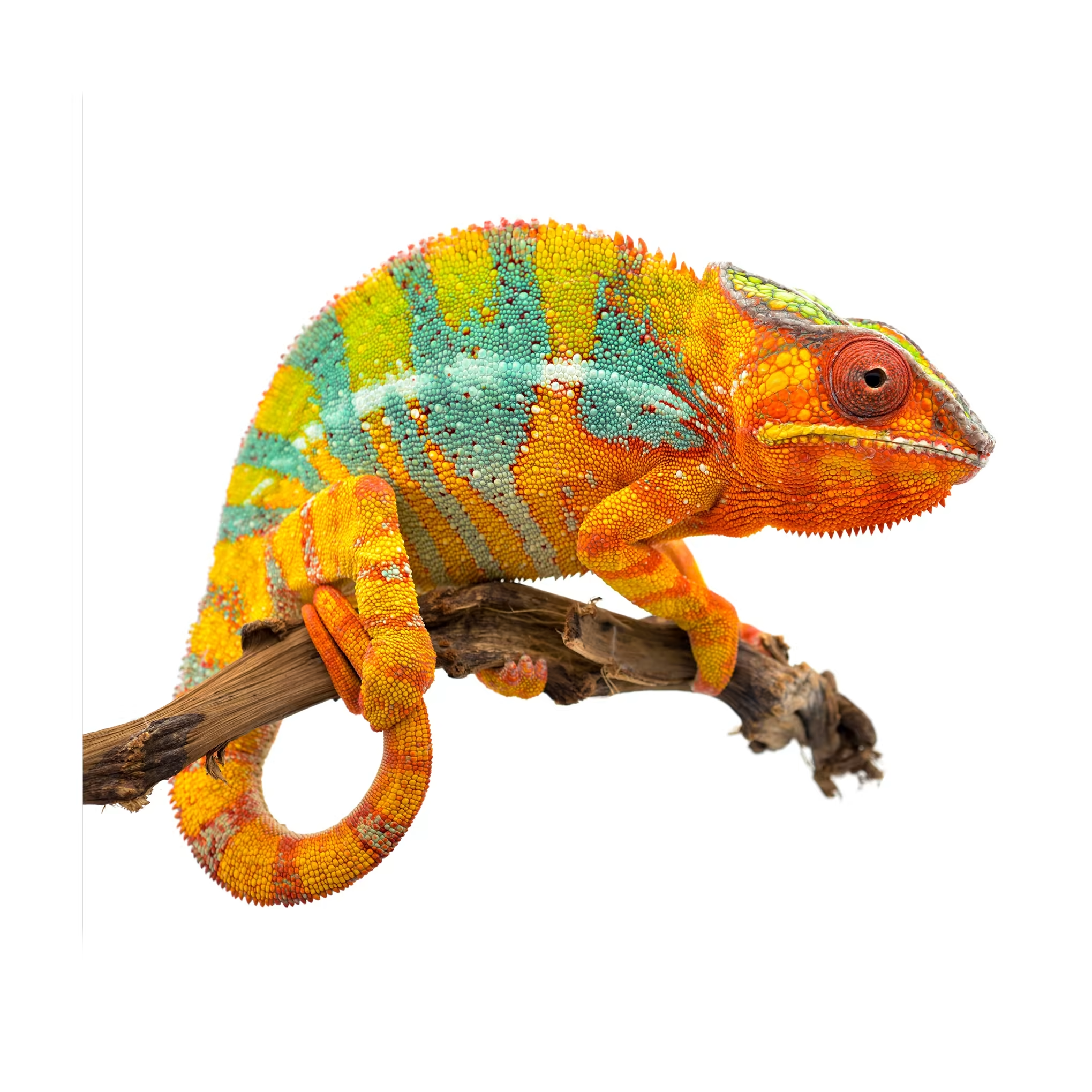
Learn how to care for warm climate Chameleons, recommended diet & habitat setup. Find the right food, supplies & equipment at your neighborhood Petco.
Updated on October 23rd, 2025
Pothos or philodendron can be used in your vivarium. Be sure to avoid using any potting soil or soil with fertilizer. Artificial plants are also an option since they will survive any "frog stomping".
Updated on September 24th, 2025
Thanks for reaching out about your tank. Long plastic plants that extend from the bottom, all the way to the top can providing hiding spaces to decrease any territoriality or aggression. Live plants might be susceptible to the snails, depending on their type. Good luck.
Updated on September 24th, 2025
A small enough piece should pass uneventfully. Monitor for lethargy, loss of appetite or lack of defecation. If necessary, see your veterinarian or an experienced herp vet. Soaking him in a warm 50/50 solution of water and unflavored PediaLyte will keep him well hydrated which can help the substrate pass easier.
Updated on September 24th, 2025
Use a background to block his view. This may prevent glass surfing or nose rubbing as well as provide more privacy/security. Again, check the temps in his enclosure to make sure it is species appropriate. Offer a variety of crickets, mealworms, dubia roaches, silkworms and wax worms. Gut load prey for 24 hours prior to offering. Dust appropriately with vitamins and minerals regularly. He may also benefit from a soak in a warm 50/50 solution of water and unflavored PediaLyte. If his appetite does not return after adjustments to environment and diet, have him examined by your veterinarian or a vet experienced in treating reptiles. Submit a stool sample to diagnose intestinal parasites or bacterial overgrowth.
Updated on September 24th, 2025

Thanks for reaching out about Aspen. Gnats are attracted to decomposing plant material (food, live plants) and require a moist humid environ. Removing food daily, cleaning out moist substrate (bark, other wood) and removing dead plants could help. Good luck.
Updated on September 24th, 2025