

Two Easy Ways to Start Earning Rewards!
Become a member today! Members-only pricing and offers, personalized care notifications, Vital Care points back on every purchase and more!
 Become a credit card member today!
Earn 2X Pals Rewards points at Petco
when you use Petco Pay!APPLY NOWLearn More About Petco Pay Benefits
Mack's Natural Reptile Food Live Crickets & Roaches

Related Articles & Questions
- Food & Nutrition
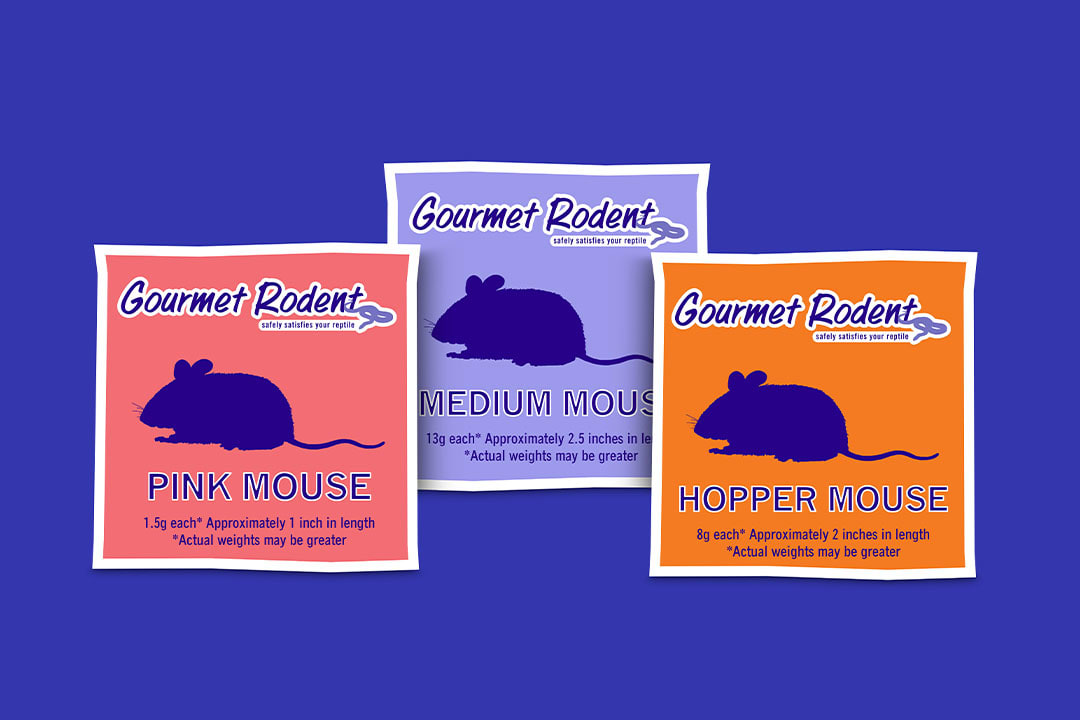
Boost Health: Frozen/Thawed Diet for Your Reptile & Amphibian
Learn how to thaw frozen mice for feeding time. Find out how to safely prepare and clean up after frozen meals at Petco.
Updated on December 16th, 2025
- New Pet
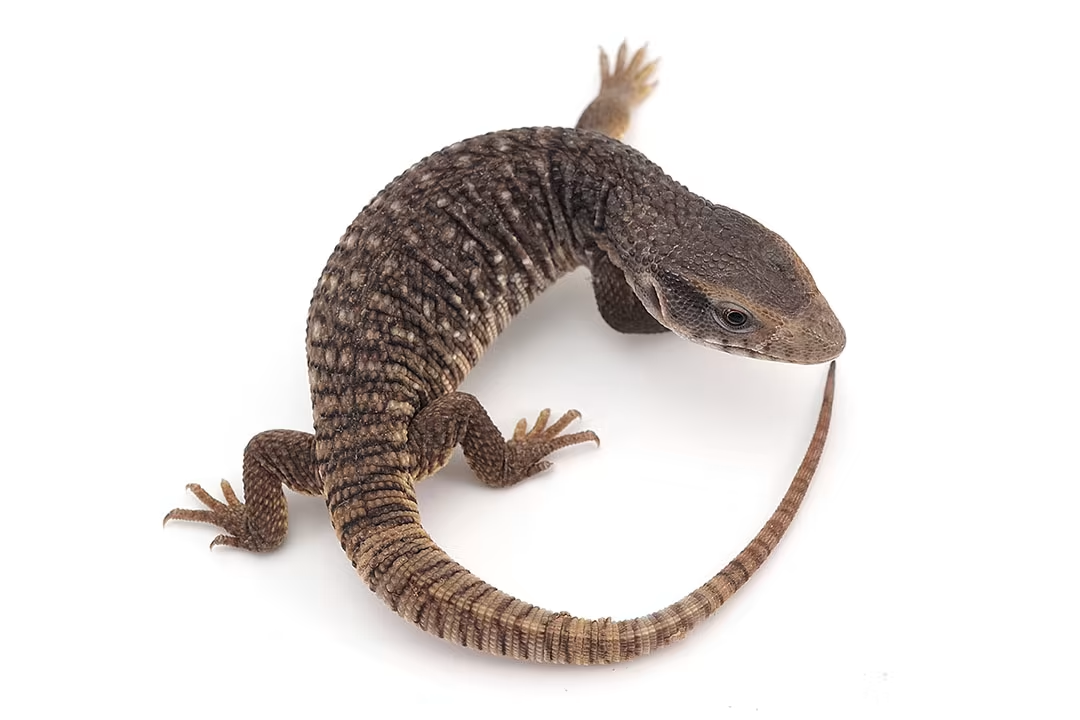
Savannah Monitor & Tegu Care: Setup, Feeding & Health Tips
Learn how to care for a monitor lizard, recommended diet and habitat setup. Find the right food, supplies and equipment at your neighborhood Petco.
Updated on October 23rd, 2025
- New Pet
Is a Reptile Right for You? Essential Questions Before You Buy
Explore our tips about what to keep in mind when choosing the right pet reptile for your family. Consider what they need to stay happy and healthy.
Updated on October 23rd, 2025
- New Pet
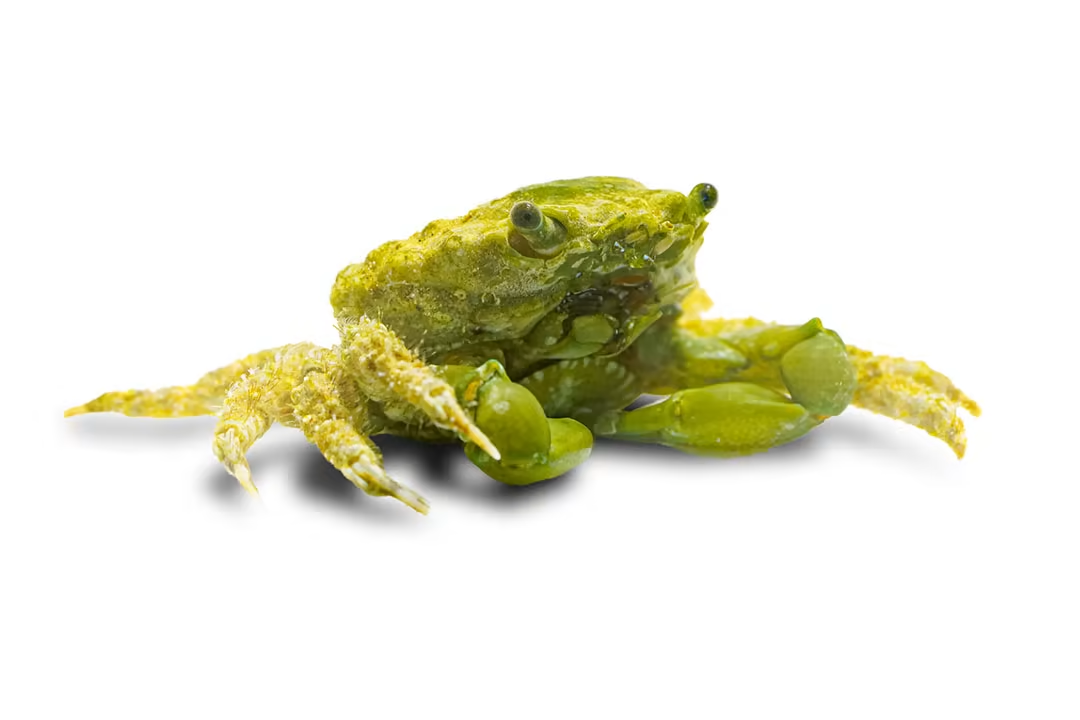
Successful Marine Crab Care: Tank Setup, Feeding & Compatibility
Learn how to care for marine crabs, recommended diet & aquarium setup. Find the right food, supplies & equipment at your neighborhood Petco.
Updated on October 23rd, 2025
- New Pet
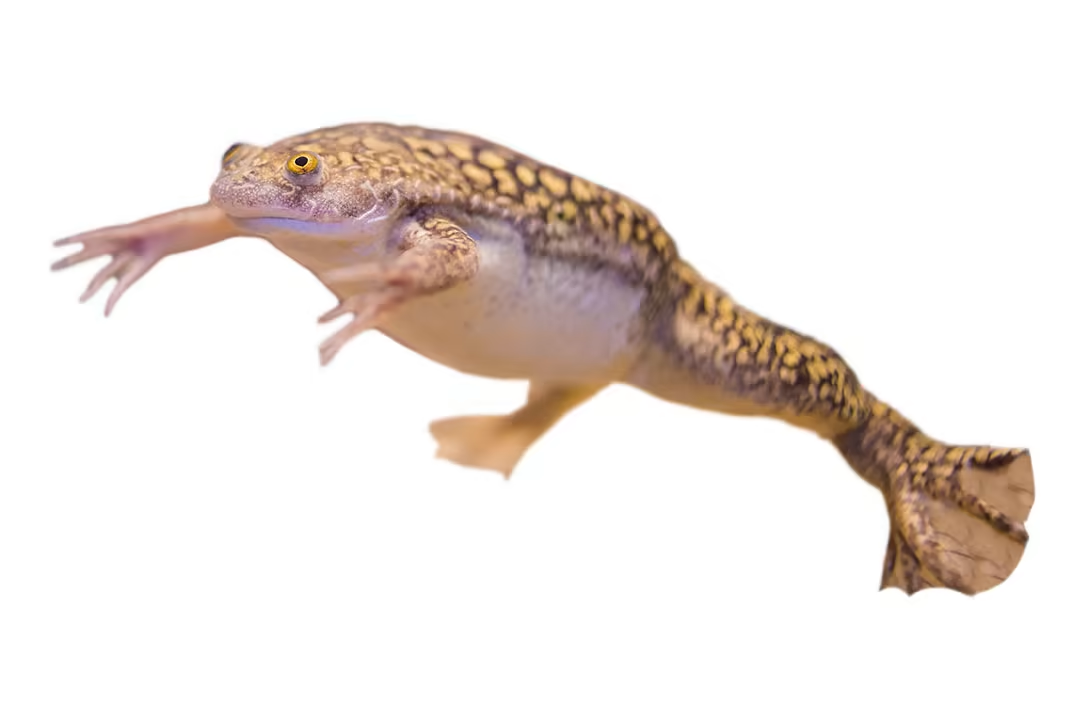
Freshwater Amphibian Care: Ultimate Tank, Food & Habitat Guide
Learn how to care for Freshwater Amphibians, recommended diet and habitat setup. Find the right food, supplies and equipment at your neighborhood Petco.
Updated on October 23rd, 2025
- Health & Wellbeing
She is currently neglecting food and treats. Is this a problem?
Check the temperature an dlighting. Low temps can affect appetite and digestion in reptiles. Offer a biologically appropriate diet. This can include a commercial pelleted or stick diet, and being omnivorous, should also include insects, fresh fruit and vegetables. See your veterianrian or vet experienced in treating reptiles if she does not regain her appetite.
Updated on September 24th, 2025
- Health & Wellbeing
I keep getting conflicting info on feeding red eared sliders. Some articles say 75% of the diet should be leafy greens ONLY (no fruit unless you want turtle to have diarrhea) and 25% commercial turtle food. (NO "people"food like meat or chicken) This
Thanks for reaching out about Ruby. Meat such as chicken, is a poor food since it is low in calcium and high in phosphorus. My usually recommendation is 1/3-1/3-1/3, meaning parts vegetables (green, red, yellow, orange), pellets and live fish (goldfish, tetras). The benefit of whole live fish is environmental enrichment (hunting, foraging) and has a skeleton with calcium, muscle and organs rich in other nutrients. Vegetables provide a wide variety of vegetables and the pellets a fairly balanced diet. Water temperature, a basking site with UVB and heat and water quality are also important. Good luck.
Updated on September 24th, 2025
- Health & Wellbeing
Hi, i have some type of mites there white and theres loads i only noticed them because they went all over mh glass, iv cheak all tanks and so far only found on 3 of them they have only seem to have come since i got 2 new fat tails and more fresh libe
Without a close up image, it is difficult to determine what these dots are. They could be springtail mites. These are harmless mites that feed on decaying matter. High humidity levels and a food source draw them in. They may have hitched a ride in on the live food or new fat tails you acquired. Treatment involves removing food sources, decreasing humidity and sanitizing cages, bowls, etc. Soaking your affected geckos in water may clean them off.
Updated on September 24th, 2025
- Health & Wellbeing
My leopard gecko may have early signs of kidney disease. The vet says the xrays were fine and he looks healthy and gave me some omega 3 to give my gecko. He is 18 yrs old. What can I do at home via diet, soaking etc to help him heal? I have found
Soak once or twice weekly in a warm 50/50 solution of water and unflavored PediaLyte. Feed lower protein prey (mealworms, nightcrawlers, crickets). Avoid high protein prey such as locusts, dubia roaches and waxworms. Blood work may need to be monitored to track progression. Further treatment (steroids, phosphate binders, calcium supplements, fluid therapy) will depend on status. The waxy substance may be normal secretions from the pre anal pores. This is used for marking branches and letting other geckos know who is in the area.
Updated on September 24th, 2025
- Health & Wellbeing
My baby turtle won’t eat. I️ got him food from petco that’s made for baby turtles and he hasn’t touched it. Not sure what to do.
Offer a varied diet including pelleted food, fresh greens and prey such as tiny crickets or earthworms. You can get prey from the pet store, do not feed wild caught insects. It may take a day or two for him to acclimate to his new environment. Keep offering fresh food daily. Be sure environmental parameters are appropriate for the species of turtle you have. This includes adequate heat, UVB lighting and water quality. If you know the species, post it in a new question or request a consultation for more detailed care information.
Updated on September 24th, 2025