

Two Easy Ways to Start Earning Rewards!
Become a member today! Members-only pricing and offers, personalized care notifications, Vital Care points back on every purchase and more!
 Become a credit card member today!
Earn 2X Pals Rewards points at Petco
when you use Petco Pay!APPLY NOWLearn More About Petco Pay Benefits
Mack's Natural Reptile Food Live Reptile Food

Related Articles & Questions
- New Pet
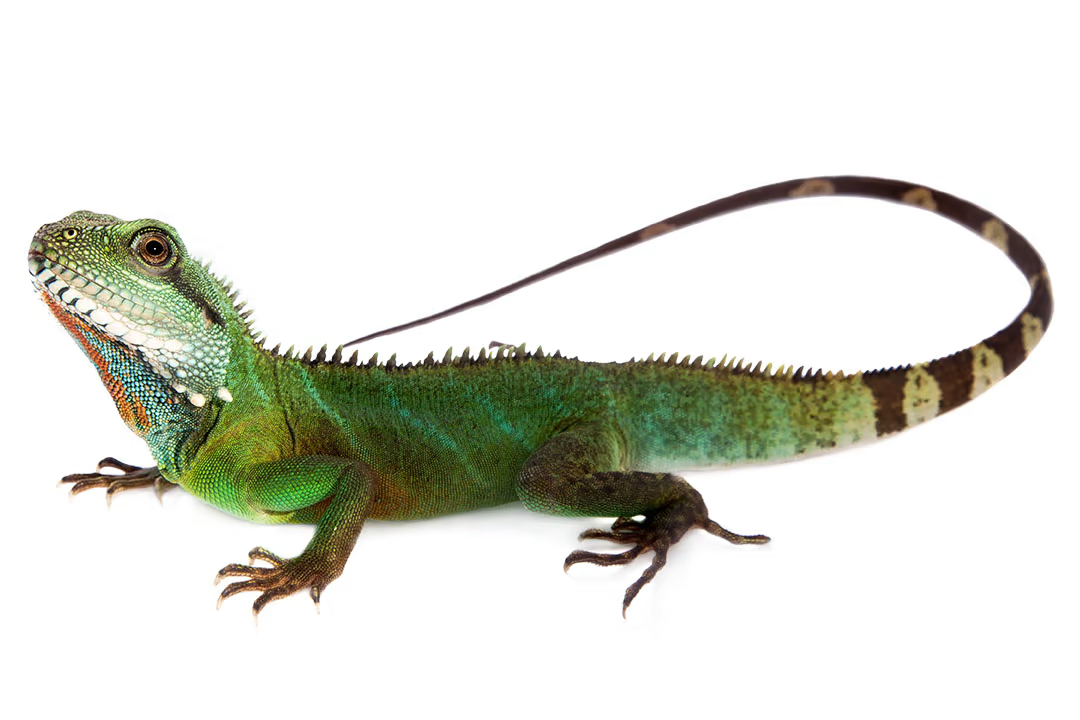
Ultimate Tropical Lizard Care: Habitat, Food & Health for a Happy Pet
Learn how to care for tropical lizards, recommended diet & habitat setup. Find the right food, supplies & equipment at your neighborhood Petco.
Updated on October 23rd, 2025
- Home & Habitat
Reptile UVB Lighting: Help Your Pet Thrive with the Right Lamp
Learn the importance of UVB light for your reptiles and the right reptile lights for your pet’s habitat.
Updated on March 30th, 2026
- New Pet
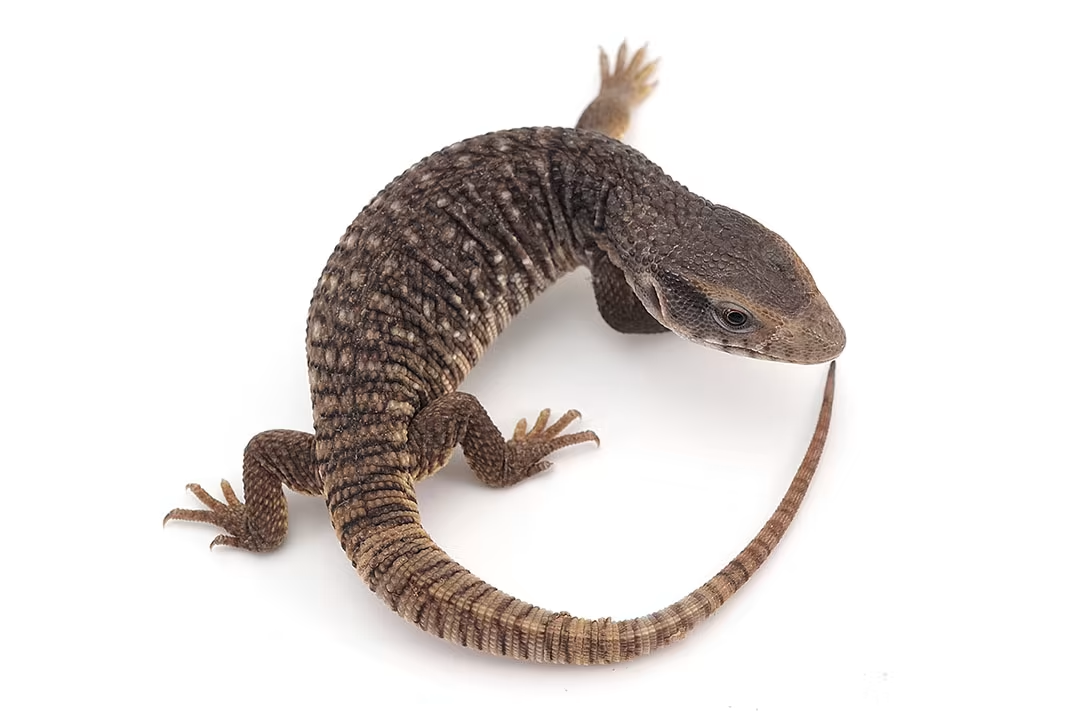
Savannah Monitor & Tegu Care: Setup, Feeding & Health Tips
Learn how to care for a monitor lizard, recommended diet and habitat setup. Find the right food, supplies and equipment at your neighborhood Petco.
Updated on October 23rd, 2025
- New Pet
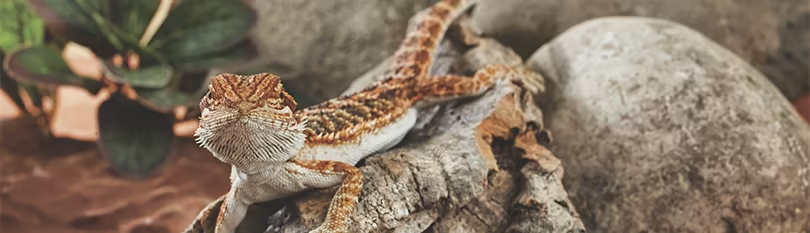
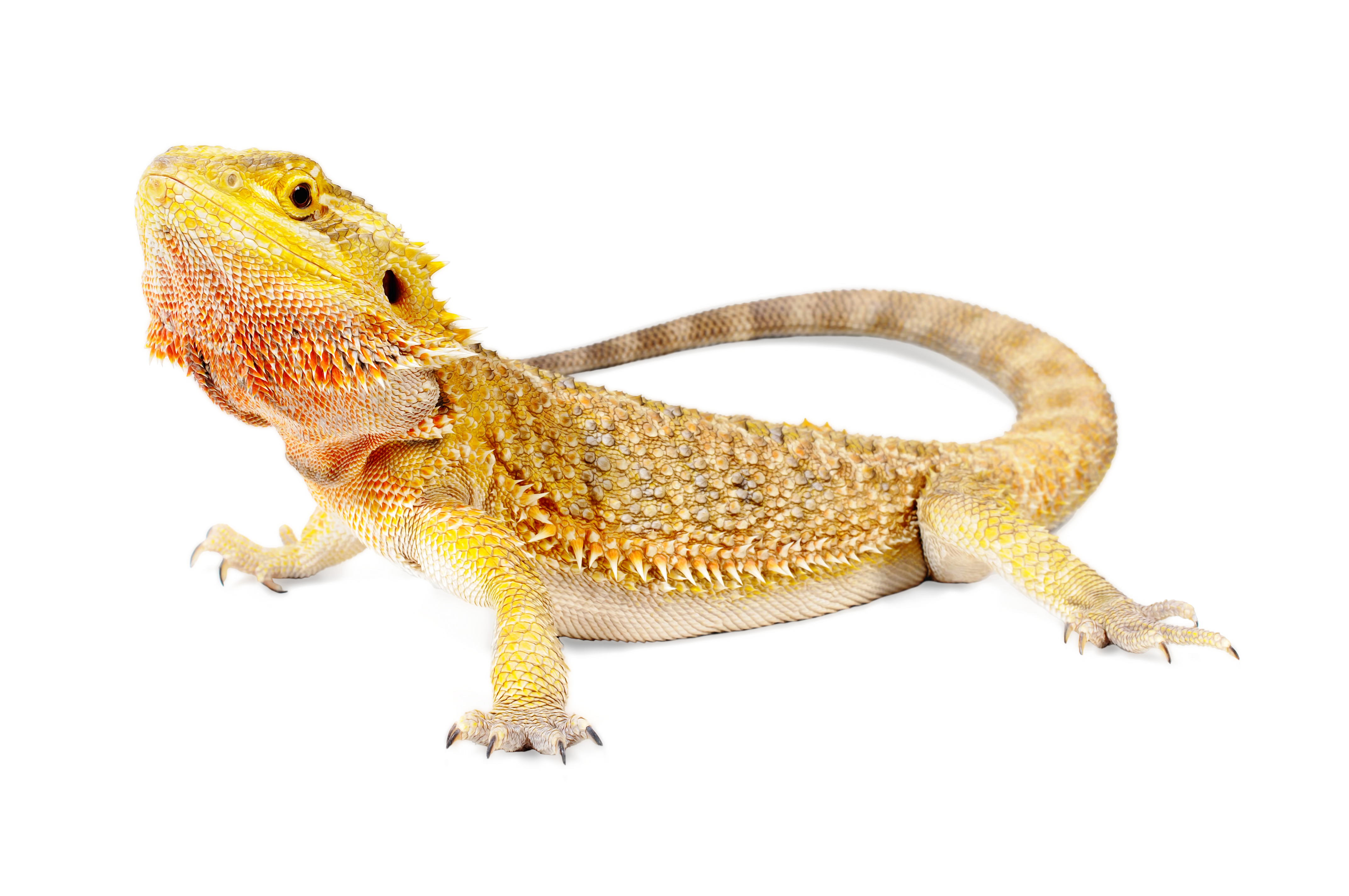
Arid Lizard Care: Expert Tips for Optimal Habitat, Diet & Health
Learn how to care for arid lizards, recommended diet & habitat setup. Find the right food, supplies & equipment at your neighborhood Petco.
Updated on October 23rd, 2025
- New Pet
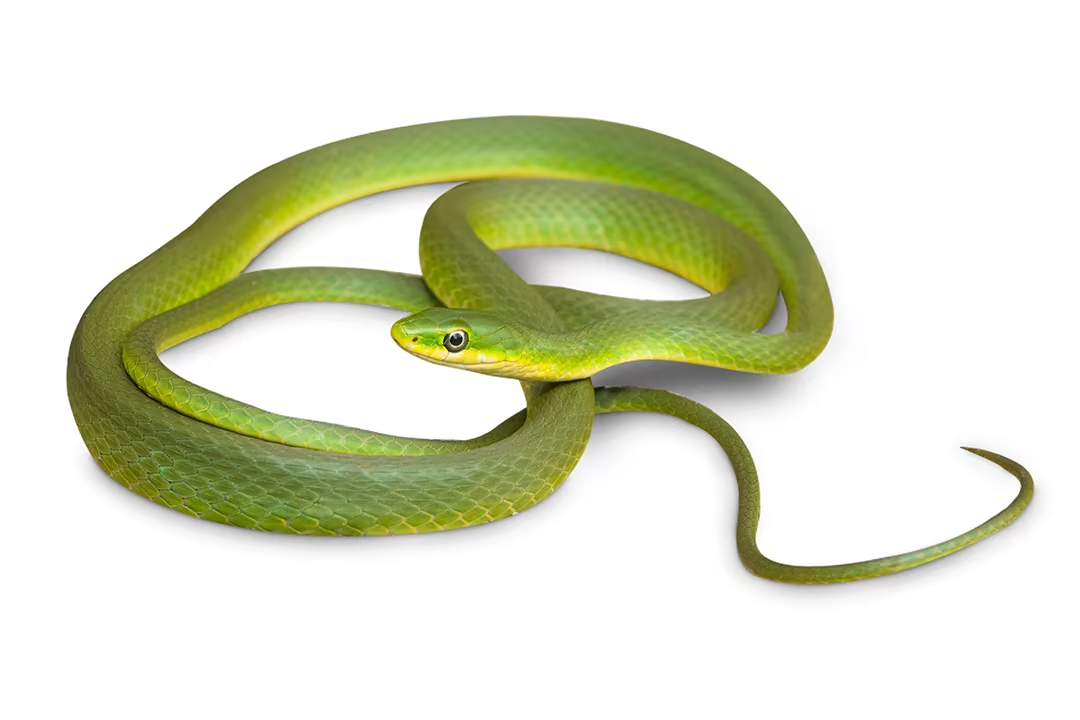
Rough Green Snake Care: Habitat, Diet, Health & Happy Pet Guide
Learn how to take care of Rough Green Snakes, recommended diet and habitat. Find the right food, supplies and equipment at your neighborhood Petco.
Updated on October 23rd, 2025
- Health & Wellbeing
I keep getting conflicting info on feeding red eared sliders. Some articles say 75% of the diet should be leafy greens ONLY (no fruit unless you want turtle to have diarrhea) and 25% commercial turtle food. (NO "people"food like meat or chicken) This
Thanks for reaching out about Ruby. Meat such as chicken, is a poor food since it is low in calcium and high in phosphorus. My usually recommendation is 1/3-1/3-1/3, meaning parts vegetables (green, red, yellow, orange), pellets and live fish (goldfish, tetras). The benefit of whole live fish is environmental enrichment (hunting, foraging) and has a skeleton with calcium, muscle and organs rich in other nutrients. Vegetables provide a wide variety of vegetables and the pellets a fairly balanced diet. Water temperature, a basking site with UVB and heat and water quality are also important. Good luck.
Updated on September 24th, 2025
- Health & Wellbeing
Our 5 year old Bearded Dragon seems sick. We’ve had him since birth. He’s always loved to eat meal worms crickets and greens. He’s very picky on the greens we’ve never been able to get him to eat any other fruits or veggies. Few months ago he started
Check the temperature in the enclosure. Low temps can affect activity and appetite in reptiles. You can soak him in a warm 50/50 solution of water and unflavored PediaLyte for about 20 minutes every few days to prevent or treat mild dehydration. In case he is constipated, you can gently massage the abdomen, front to back, during the soak. You can supplement his diet with Fluker's Repta-Boost ( https://www.petco.com/shop/en/petcostore/product/flukers-reptaboost-insectavore-and-carnivore-high-amp-boost ). Find it in the local Petco. Continue to offer fresh, chopped greens and prey. Place them in a shallow cup to make it easy for him to eat. Survey the area in and around the cage for any negative stimuli. This may include loud noises, strong vibrations, high traffic or cold drafts. Reduce or eliminate any if found. Consider a tank surround to limit his view in case something he sees is causing him stress or making him angry. If symptoms persist or worsen, he will need to be physically e
Updated on September 24th, 2025
- Health & Wellbeing
What can we do to keep our Bearded Dragons crickets alive? in pet stores they use ice cubes and lettuce? can i feed them an apple or no? what can we feed the crickets to keep them alive?
You can use a piece of fruit temporarily but that may attract fruit flies or other undesirable insects. Water can be provided using a very shallow bowl or a commercial insect gel. Be sure to "gut load" them with healthy foods and supplements for 24 hours prior to feeding Lucky Man. This will maximize nutritional value. Crickets can eat cereals, dry oatmeal, nuts ad seeds. If you feed fruit and vegetables, remove them frequently to prevent rotting.
Updated on September 24th, 2025
- Health & Wellbeing
My baby turtle won’t eat. I️ got him food from petco that’s made for baby turtles and he hasn’t touched it. Not sure what to do.
Offer a varied diet including pelleted food, fresh greens and prey such as tiny crickets or earthworms. You can get prey from the pet store, do not feed wild caught insects. It may take a day or two for him to acclimate to his new environment. Keep offering fresh food daily. Be sure environmental parameters are appropriate for the species of turtle you have. This includes adequate heat, UVB lighting and water quality. If you know the species, post it in a new question or request a consultation for more detailed care information.
Updated on September 24th, 2025
- Health & Wellbeing
My daughter bought a leapord gecko 2 days ago it is a juvenile. Yesterday it are fine 5 crickets and a few mealworms. But today it only ate one of each and seems afraid of the crickets. Should we be worried
Offer appropriately sized prey, no bigger than the space between the eyes. Confirm proper temperature as well. Low temps can affect appetite and digestion in reptiles. Be sure to dust prey at every feeding with a multivitamin and calcium supplements. Gutloading prey for 24 hours will also maximize nutritional value. Do not be concerned if she refuses food for one day.
Updated on September 24th, 2025