

Two Easy Ways to Start Earning Rewards!
Become a member today! Members-only pricing and offers, personalized care notifications, Vital Care points back on every purchase and more!
 Become a credit card member today!
Earn 2X Pals Rewards points at Petco
when you use Petco Pay!APPLY NOWLearn More About Petco Pay Benefits
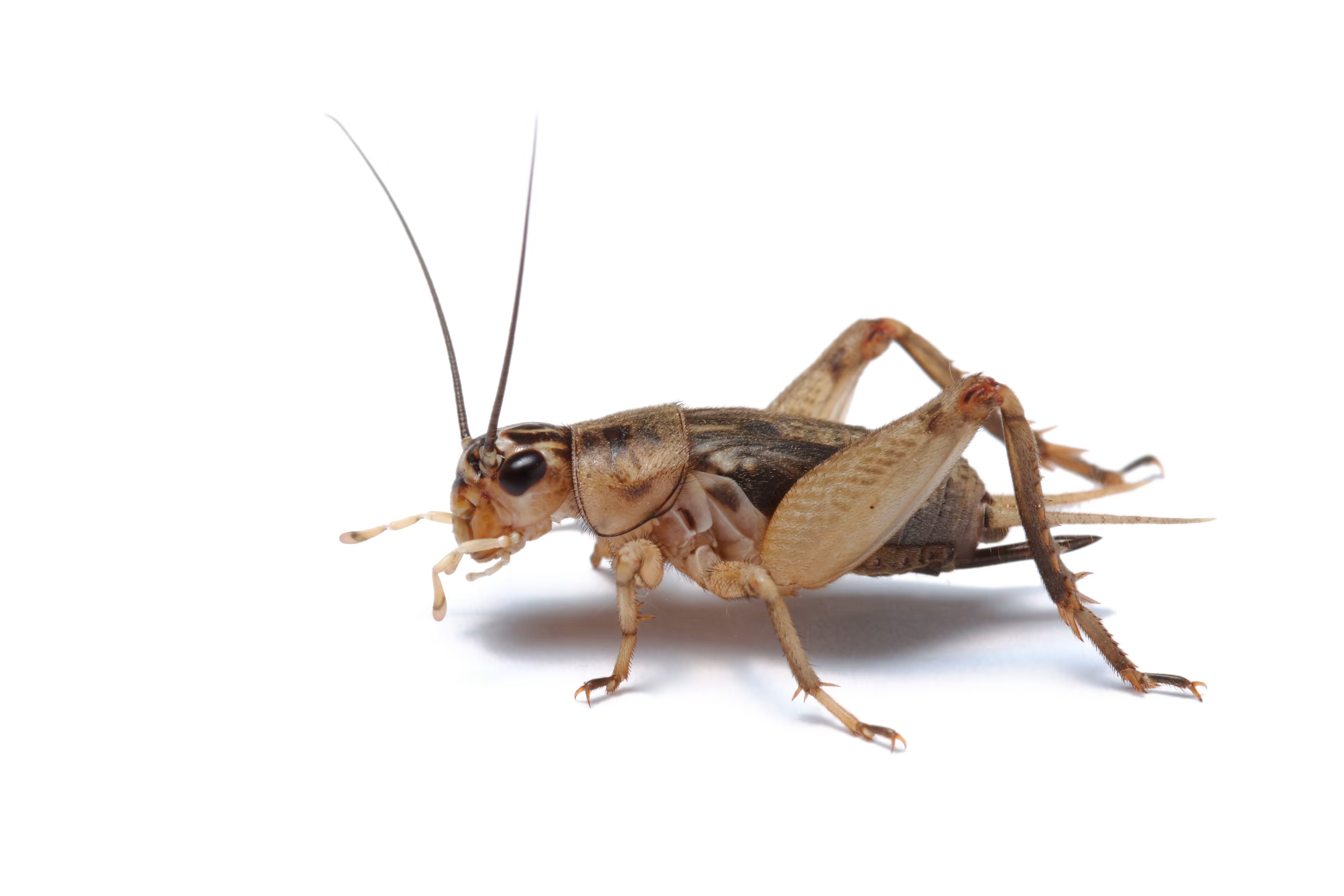
Mack's Natural Reptile Food Live Worms & Flies

Related Articles & Questions
- New Pet
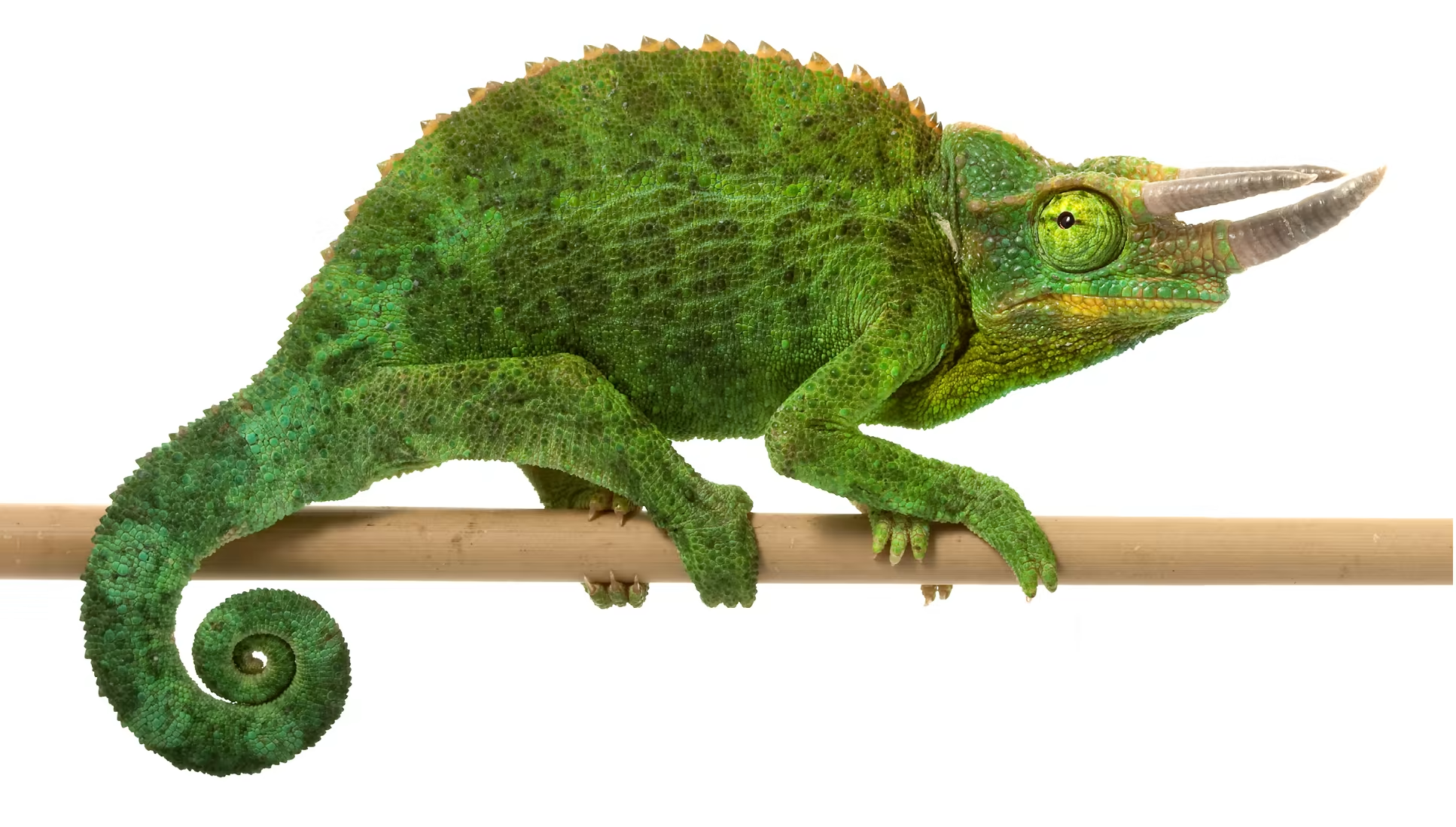
Jackson's Chameleon Care: Thrive Guide for Food, Habitat & Health
Learn how to care for Jackson's Chameleons, recommended diet & habitat setup. Find the right food, supplies & equipment at your neighborhood Petco.
Updated on October 23rd, 2025
- New Pet
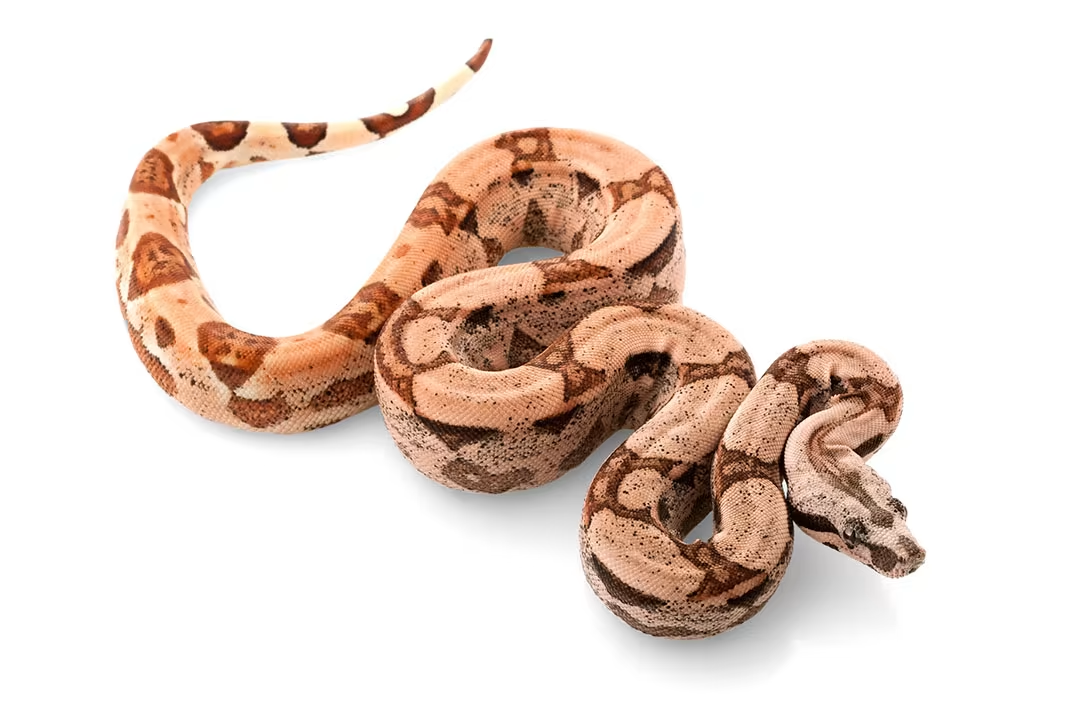
Boa Constrictor Care: The Ultimate Food, Habitat & Health Guide
Learn how to care for Boas, recommended diet & habitat setup. Find the right food, supplies & equipment at your neighborhood Petco.
Updated on October 23rd, 2025
- New Pet
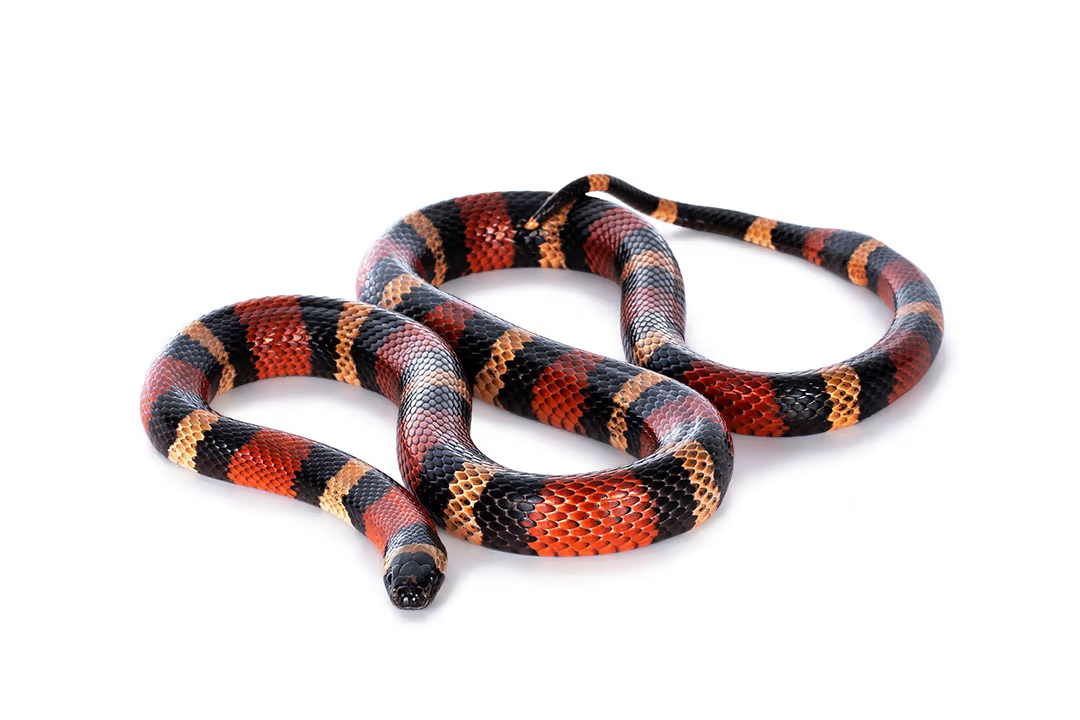
Milk Snake Care: Your Complete Guide to Habitat, Food & Health
Learn how to take care of Milk Snakes, recommended diet and habitat. Find the right food, supplies and equipment at your neighborhood Petco.
Updated on October 23rd, 2025
- New Pet
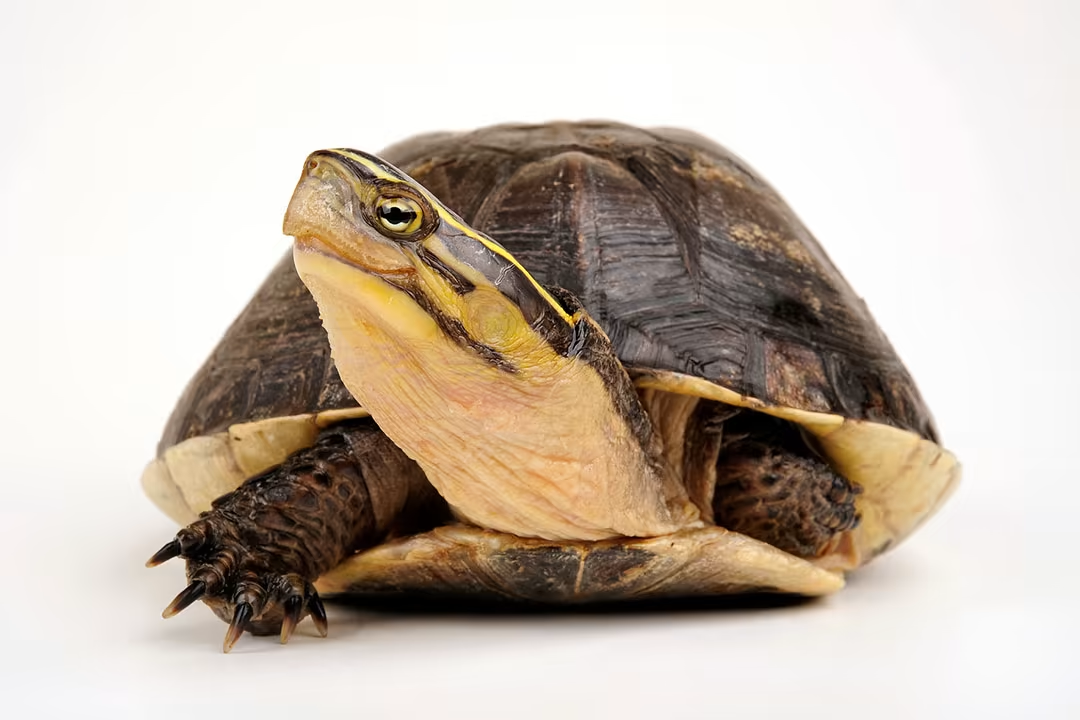
Terrestrial Turtle Care Guide: Food, Habitat, & Setup for a Happy Pet
Learn how to care for terrestrial turtles, recommended diet & habitat setup. Find the right food, supplies & equipment at your neighborhood Petco.
Updated on October 23rd, 2025
- New Pet
Cricket Care: Habitat, Feeding & Gut Loading Tips for Healthy Pets
Learn how to care for crickets, recommended diet & habitat setup. Find the right food, supplies & equipment at your neighborhood Petco.
Updated on October 23rd, 2025
- Health & Wellbeing
i just got a juvenile Water Dragon names Perceval and i’m having trouble getting him to eat i’m still not used to actually holding the feeder worms like Superworms to him by hand since i’m so used to having a crested gecko that doesn’t really like th
Thanks for reaching out about Perceval and including a photo. First, check heat and other husbandry parameters, and fix any concerns. If too cold, there appetite center is depressed. Reptiles will often not eat because of other illnesses such as intestinal parasites or infections, kidney disease, dental disease, etc. A veterinary visit is recommended to help. On the photo, Perceval appears thin. Offering a Gerber's baby food (chicken, beef etc) might provide some nutrition until the primary cause is determined. Good luck.
Updated on September 24th, 2025
- Health & Wellbeing
My leopard gecko has a black belly, hasn’t been eating much, or pooping a lot either. Don’t have money to take to vet though
This could be his organs or an impaction/constipation. Without an exam, it is difficult to determine which it is. Soak Macko in a warm 50/50 solution of water and unflavored PediaLyte for 20-30 minutes. Massage his abdomen, front to back, during the soak to stimulate defecation. Do this every other day. In between, confirm proper environmental parameters in the enclosure. Low temps will affect appetite and digestion in reptiles. Offer appropriately sized prey, no bigger than the space between the eyes. You can feed a mic of crickets, mealworms, dubia roaches and phoenix worms. Gut load all prey for 24 hours prior to offering to maximize nutritional value. This can be done by feeding them high protein baby cereal, tropical fish flaked and fresh greens. Dust with a multivitamin and a calcium/D3 supplement. Pick up some Fluker's Repta Boost from the local Petco. Look in the reptiles section. You can use this to get some nutrition and calories into Macko. If he doesn't begin putting on w
Updated on September 24th, 2025
- Health & Wellbeing
I have a leopard gecko who is 8 weeks old and is not eating much. And when she does eat food she regurgitates it or the worms come out whole in her feces. The temperature and set up is correct. I have gut loaded the insects but she just does not want
Thanks for reaching out about Meesha and including a photo. She does appear thin on the photo. Intestinal parasites are fairly common in many reptiles. High parasite loads can cause regurgitation, hypermotility (thereby poor digestion) and anorexia. Intestinal infections or ingested foreign bodies are also possible. A veterinary visit is recommended for a fecal evaluation to determine which type of parasite (if any) are present. This will determine which medication might be used. Good luck.
Updated on September 24th, 2025
- Health & Wellbeing
Hello i have a leopard gecko i got her from my biology teacher shes super tamed i was wondering if i should feed them crickets or mealworms and how meny
Offer two appropriately sized insects for every inch of a leopard gecko’s total length. A meal every other day is fine. Example: a 4-inch-long gecko would receive eight mealworms three to four times a week. I Make sure to gut-load and dust the insects with calcium and vitamin powder before feeding. Here is a great video on how to feed your gecko: https://www.youtube.com/watch?v=aqcGMIqZgo4 Hope this helps. Best wishes!
Updated on September 24th, 2025
- Health & Wellbeing
my gecko recently had something similar to a seizure i think. I did a bunch of research and I think it had to do with calcium deficiency but I'm not sure. I've heard many people saying to take him to the vet but my parents refuse because its "not wor
Thanks for reaching out about Leafy. Seizures in reptiles can definitely due to calcium deficiencies, either lacking in the diet, too cold of an environ or lack of UVB exposure. Diet and husbandry to be corrected, but a veterinary visit can provide injections of these medications, and anti-seizure medications during recovery. Mealworms kept in the refrigerator or crickets straight from the store are insufficient. All insects need to be gut-loaded with dark greens and red/yellow/orange vegetables. Good luck.
Updated on September 24th, 2025