Two Easy Ways to Start Earning Rewards!
Earn 2X Pals Rewards points at Petco
when you use Petco Pay!
Get It Today
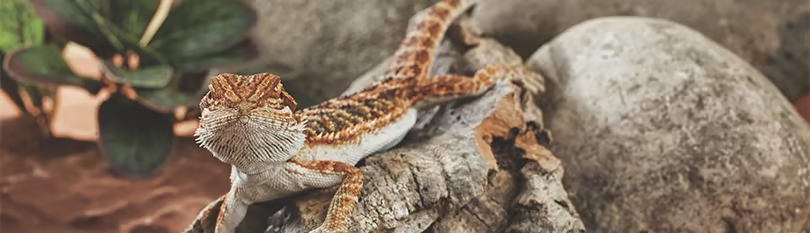
Learn the importance of UVB light for your reptiles and the right reptile lights for your pet’s habitat.
Updated on March 30th, 2026
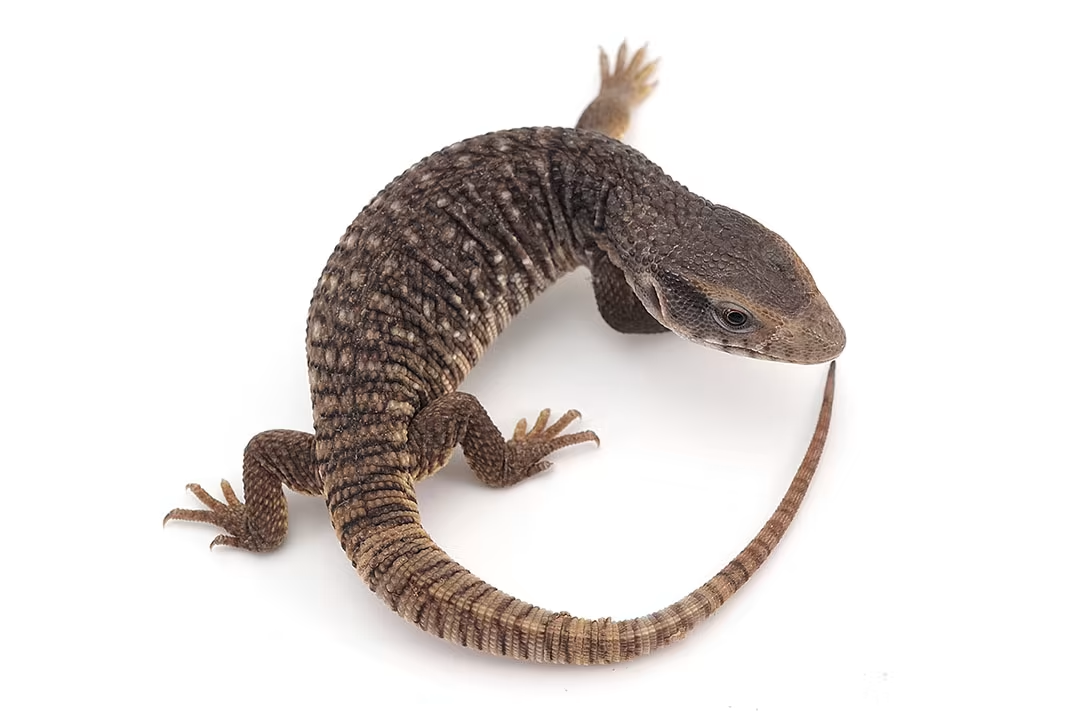
Learn how to care for a monitor lizard, recommended diet and habitat setup. Find the right food, supplies and equipment at your neighborhood Petco.
Updated on October 23rd, 2025
Read these guidelines about handling reptiles to provide a safe and fun environment for your pet, friends and family.
Updated on October 23rd, 2025
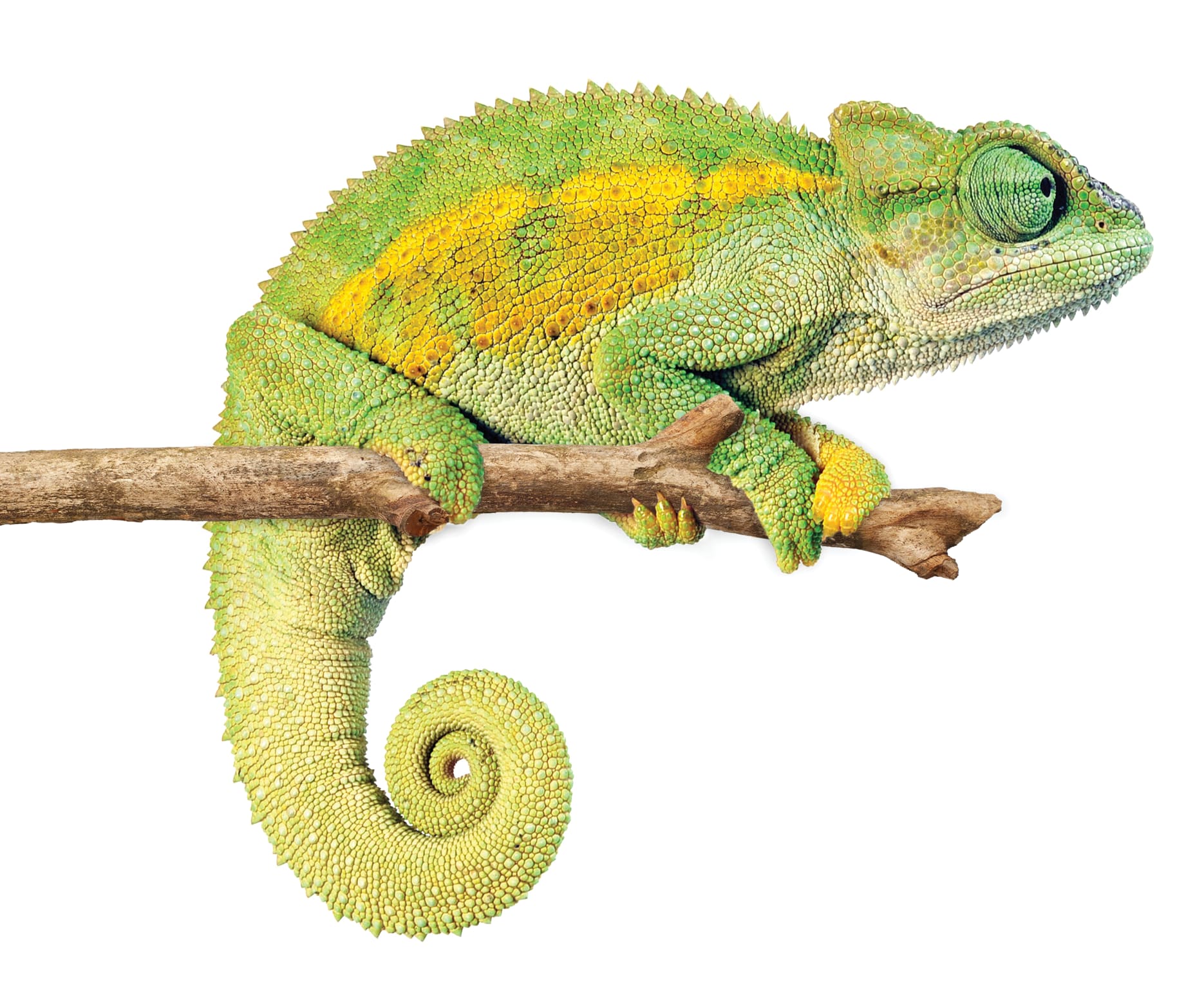
Learn how to care for cool climate Chameleons, recommended diet & habitat setup. Find the right food, supplies & equipment at your neighborhood Petco.
Updated on October 23rd, 2025
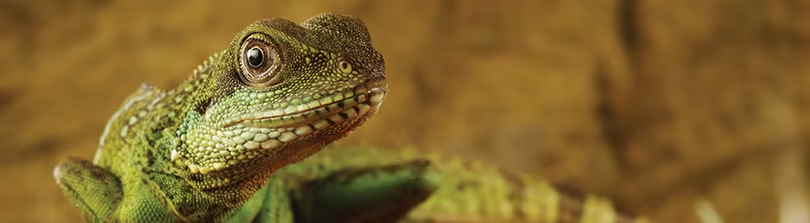
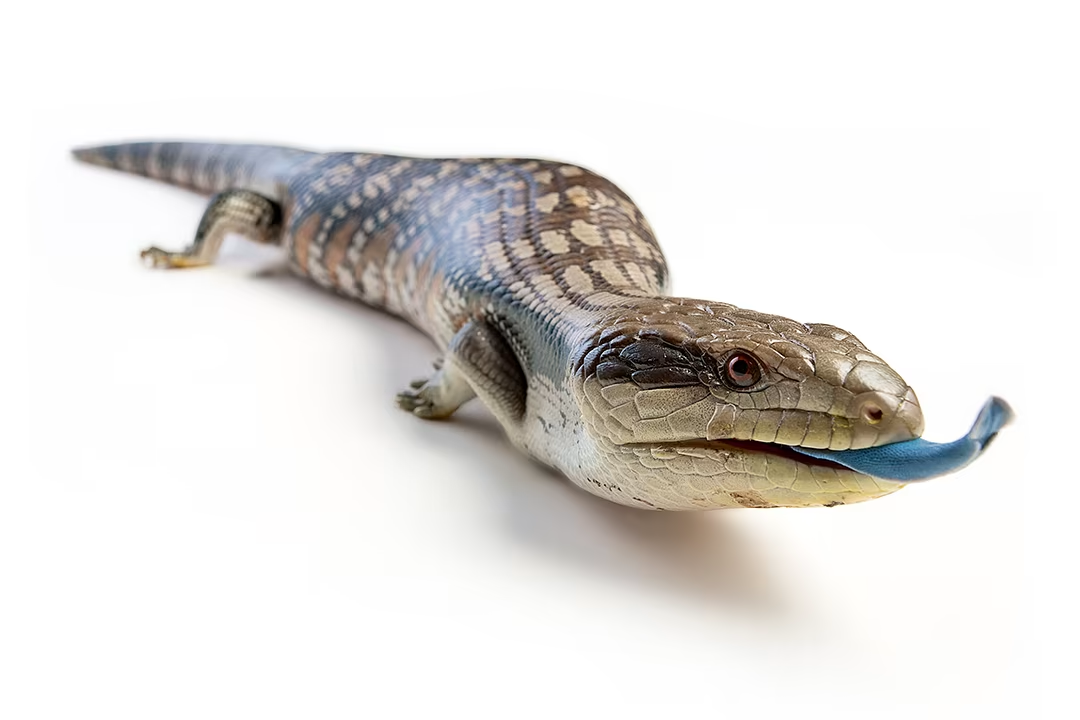
Learn how to care for Blue-Tongued Skink, recommended diet and habitat setup. Find the right food, supplies and equipment at your neighborhood Petco.
Updated on October 23rd, 2025
It would appear this turtle, not a tortoise, is suffering nutritional deficiency. Reptiles require UVB lighting, either natural unfiltered sunlight or artificially produced by an appropriate light source, in a addition to an appropriate diet with adequate calcium and vitamin supplementation. All these things will aid in the development and maintenance of a health shell. The deficiency may be reversible, however the shell may be malformed for years to come if it survives. Ideally, this turtle should be examined by a veterinarian. A specialist can be consulted via phone or online to obtain proper treatment information. In general, turtles need clean water, a heat lamp for basking, a UVA/UVB light source and a dry area for basking. Most are omnivores and will eat small prey (feeder fish, worms, crickets), fresh greens and a commercial pelleted diet. As stated above, they also require calcium and vitamin supplementation. You can find general care information here: http://www.austinstur
Updated on September 24th, 2025

This could be due to a vitamin A deficiency. Be sure to feed a balanced diet and supplement with a powdered multi vitamin dusted onto food. If this doesn't help, see your veterinarian or a vet experienced in treating reptiles to diagnose illness or injury. Try to get the humidity down to between 40% and 60%. Maintain the humid hides at the levels described.
Updated on September 24th, 2025
Ideally, the UVB light source should run the entire length of the tank. A thermometer/hygrometer should be on each end of the tank to confirm cool and warm sides. Use a digital thermometer to verify temps. Those little ones you have can be inaccurate. Provide a hide on both sides as well. Personally, I would remove the fake grass as it has the potential to cause eye injuries. Your tank looks good otherwise.
Updated on September 24th, 2025
An acceptable substrate would be river rocks or large gravel. Anything smaller could potentially be ingested causing an impaction or obstruction. You could also leave the bottom bare. The basking area doesn't necessarily need substrate. A ramp out of the water leading to a simple platform is acceptable.
Updated on September 24th, 2025
Thanks for reaching out about Spyke. Cuttlebone does not need to be offered unless the diet is not balances. Cuttlebone is not a source of calcium that is readily digestible/absorbable. Depending on the type of tortoise, calcium is provided in the diet in different ways. Aquatic turtles will sometimes eat green vegetables, but normally consume whole prey (fish) with bones, in the wild. Exposure to ultraviolet radiation is also important for calcium metabolism. Check and correct these problems. Good luck.
Updated on September 24th, 2025