

Two Easy Ways to Start Earning Rewards!
Become a member today! Members-only pricing and offers, personalized care notifications, Vital Care points back on every purchase and more!
 Become a credit card member today!
Earn 2X Pals Rewards points at Petco
when you use Petco Pay!APPLY NOWLearn More About Petco Pay Benefits
Nature Zone Tortoise Food
Get It Today


Related Articles & Questions
- New Pet
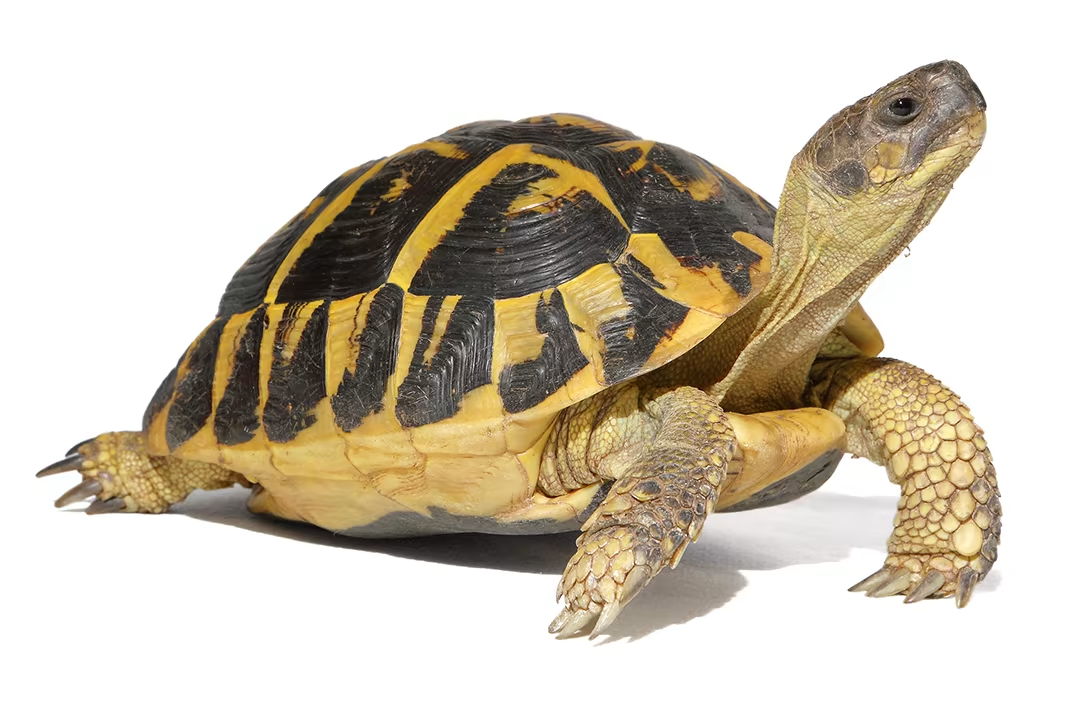
Hermann's Tortoise Care: Ultimate Guide to Habitat, Food & Health
Learn how to take care of your Hermann's Tortoise, tank size, diet & habitat setup. Find the right food, supplies and equipment at your neighborhood Petco.
Updated on October 23rd, 2025
- New Pet
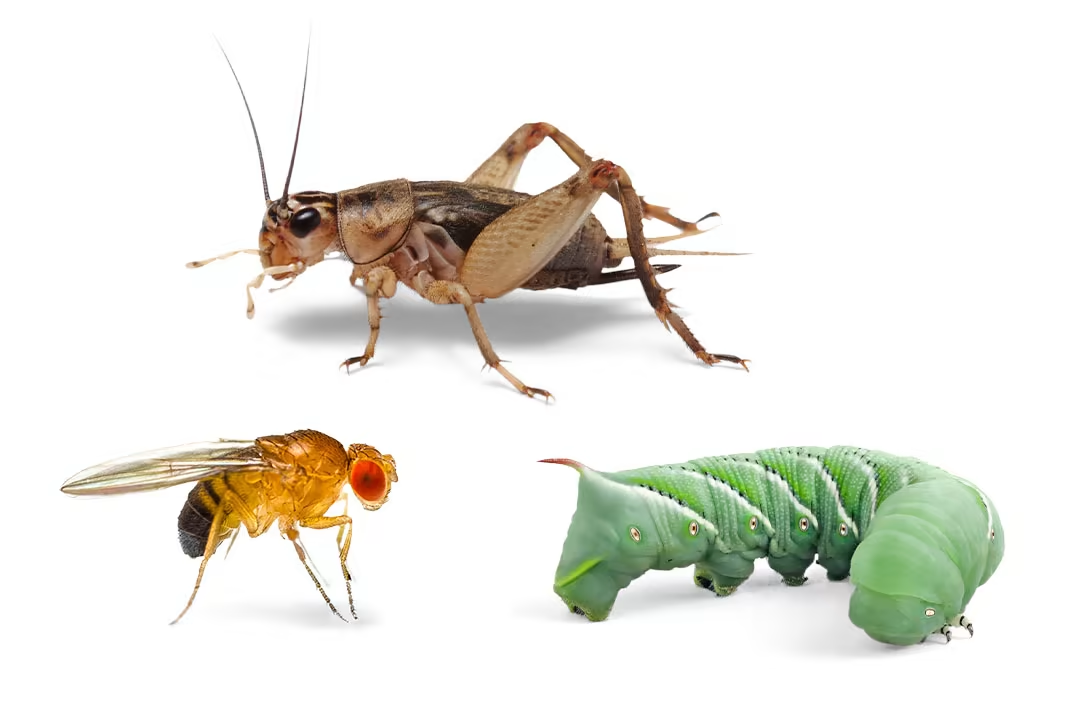
Reptile Feeding: Live Insect Selection & Care for Optimal Health
Learn about live insects for reptile feeding, recommended diet & habitat setup. Find the right food, supplies & equipment at your neighborhood Petco.
Updated on October 23rd, 2025
- New Pet
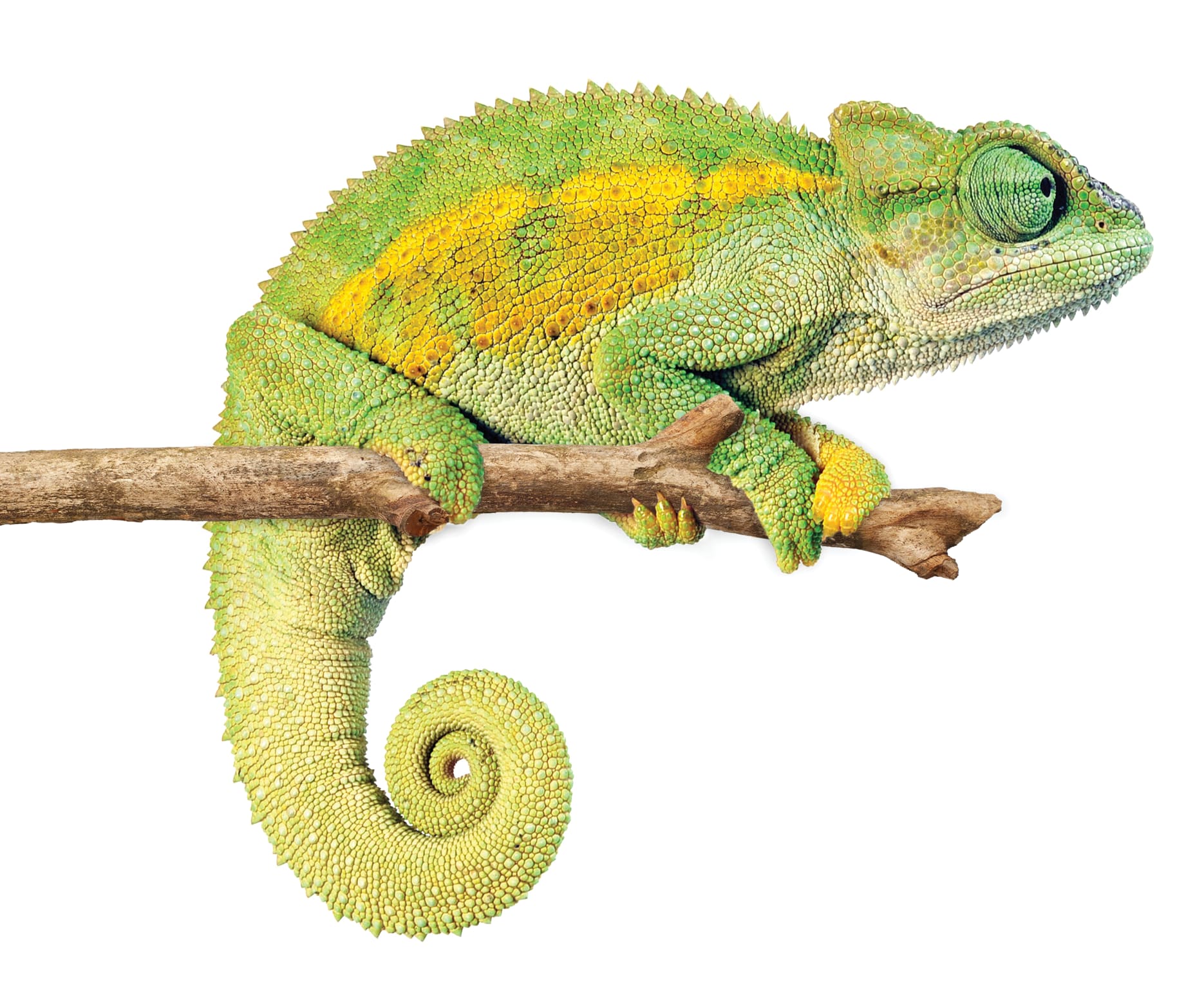
Cool Climate Chameleon Care: Habitat, Food, Health & Setup Secrets
Learn how to care for cool climate Chameleons, recommended diet & habitat setup. Find the right food, supplies & equipment at your neighborhood Petco.
Updated on October 23rd, 2025
- New Pet
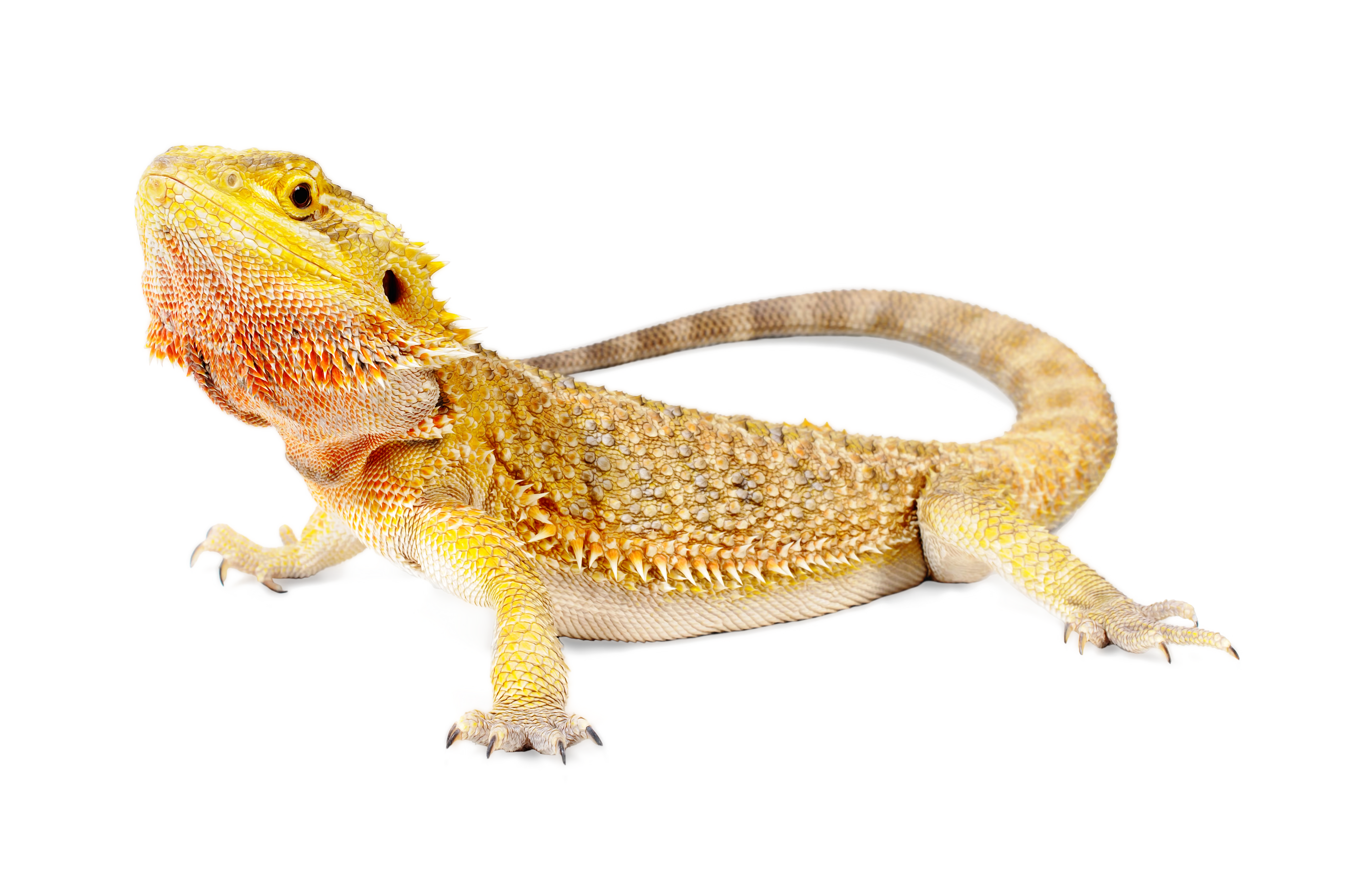
Arid Lizard Care: Expert Tips for Optimal Habitat, Diet & Health
Learn how to care for arid lizards, recommended diet & habitat setup. Find the right food, supplies & equipment at your neighborhood Petco.
Updated on October 23rd, 2025
- New Pet
Raise a Healthy Python: Food, Habitat, Health & Handling Tips
Learn how to care for a Python, recommended diet & habitat setup. Find the right food, supplies & equipment at your neighborhood Petco.
Updated on October 23rd, 2025
- Health & Wellbeing
I have a 15 year old toroise turtle. Her she'll looks dried out. Can I put some avacado or Olive oil on her?
It would be more practical to provide regular baths or soaks in warm water or a 50/50 solution of water and unflavored PediaLyte. Adequate hydration, UVB lighting, a balanced diet and vitamin/mineral supplementation will all promote shell health as well as overall health.
Updated on September 24th, 2025
- Health & Wellbeing
My tortoise's shell is very weak and wrinckles and there is also some sort of wound on it's shell.What should I do?and also it's whole body skin is wrinckled and I don't have any vetrinary support near my place.
It would appear this turtle, not a tortoise, is suffering nutritional deficiency. Reptiles require UVB lighting, either natural unfiltered sunlight or artificially produced by an appropriate light source, in a addition to an appropriate diet with adequate calcium and vitamin supplementation. All these things will aid in the development and maintenance of a health shell. The deficiency may be reversible, however the shell may be malformed for years to come if it survives. Ideally, this turtle should be examined by a veterinarian. A specialist can be consulted via phone or online to obtain proper treatment information. In general, turtles need clean water, a heat lamp for basking, a UVA/UVB light source and a dry area for basking. Most are omnivores and will eat small prey (feeder fish, worms, crickets), fresh greens and a commercial pelleted diet. As stated above, they also require calcium and vitamin supplementation. You can find general care information here: http://www.austinstur
Updated on September 24th, 2025
- Health & Wellbeing
Hi, my red foot tortoise has been very lethargic lately and his eyes have been staying closed. The only time he opens them is when I pick him up and that's only occasionally they will open or when I soak him in water and the usually does the trick. I
Make sure he is not chilled. Low temps can affect activity in reptiles. A Vitamin A deficiency may be responsible for the eye issues. Feed a good quality commercial diet and supplement with dark, leafy greens and fresh vegetables. Dust food with a calcium and multivitamin supplement several times weekly as well. Provide an adequate UVA/UVB light source that runs the length of the tank. Position it no more than 14 inches away from him. Do not place glass or plexiglass between him and the UVB source. Juveniles normally have a soft shell until about 6-8 months of age when it begins to harden.
Updated on September 24th, 2025
- Health & Wellbeing
I recently adopted a russian tortoise, when I first saw him he seemed great, but it's been a month now, and his shell seems sort of dry? Also he won't go inside of his tree dome anymore, at first he would go in the trunk all the time, to sleep or res
You can soak him several times weekly in a warm 50/50 mix of water and unflavored PediaLyte for 20 minutes. This will provide hydration and may warm him if he is cold. Check Temps and humidity in his enclosure. Low Temps can affect activity in reptiles. Since he is a "new" pet, consider an exam with your veterinarian or an experienced herp vet to confirm good health or to diagnose and treat any preexisting conditions. Submit a stool sample to diagnose intestinal parasites. This species frequently burrows, so that aspect of his behavior is normal. You can read more about care at the link below. http://www.reptilesmagazine.com/Care-Sheets/Russian-Tortoise/
Updated on September 24th, 2025
- Health & Wellbeing
hi, i currently own a spur thighed tortoise but sometimes i feel guilty because she is on her own and has nothing to do other than walk around eat sleep and bath so i was wondering if it would be safe to own another tortoise, the same gender but a di
Tortoises do best in single housing systems. They live completely alone in the wild. Adding another turtle may cause unnecessary stress, fighting, and potential spread of disease. You can consider adding enrichment for Georgia such as various fresh edible plants or revamping her enclosure.
Updated on September 24th, 2025