Two Easy Ways to Start Earning Rewards!
Earn 2X Pals Rewards points at Petco
when you use Petco Pay!
Get It Today
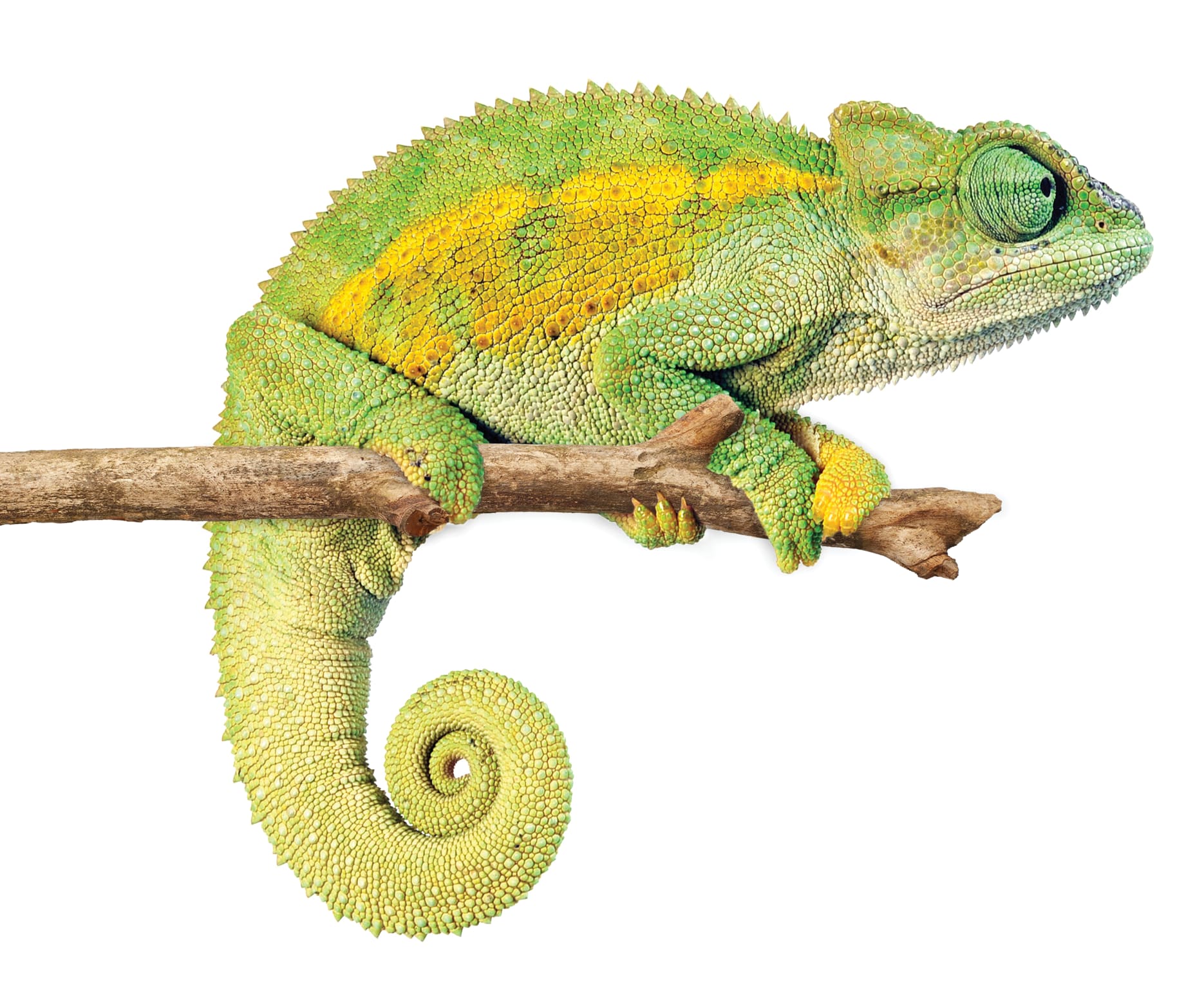
Learn how to care for cool climate Chameleons, recommended diet & habitat setup. Find the right food, supplies & equipment at your neighborhood Petco.
Updated on October 23rd, 2025
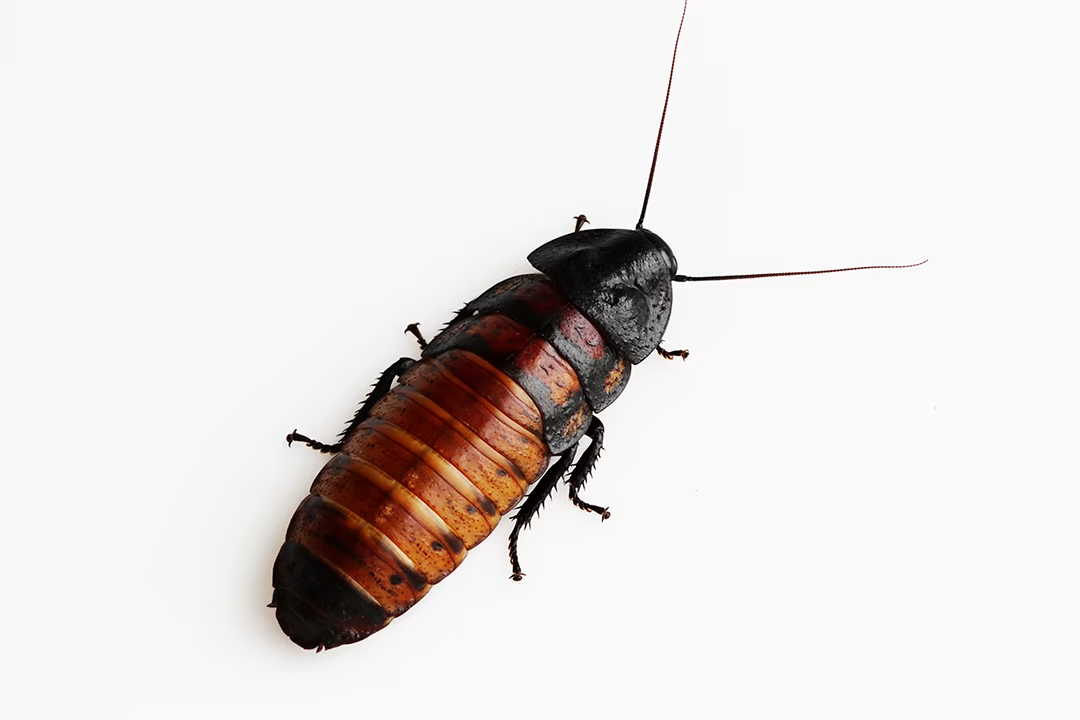
Learn how to take care of Hissing Cockroaches, recommended diet and Habitat. Find the right food, supplies and equipment at your neighborhood Petco.
Updated on October 23rd, 2025
Learn some tips about bringing your new pet bird home for the first time. Find out what supplies and actions will help her feel most at home.
Updated on October 23rd, 2025
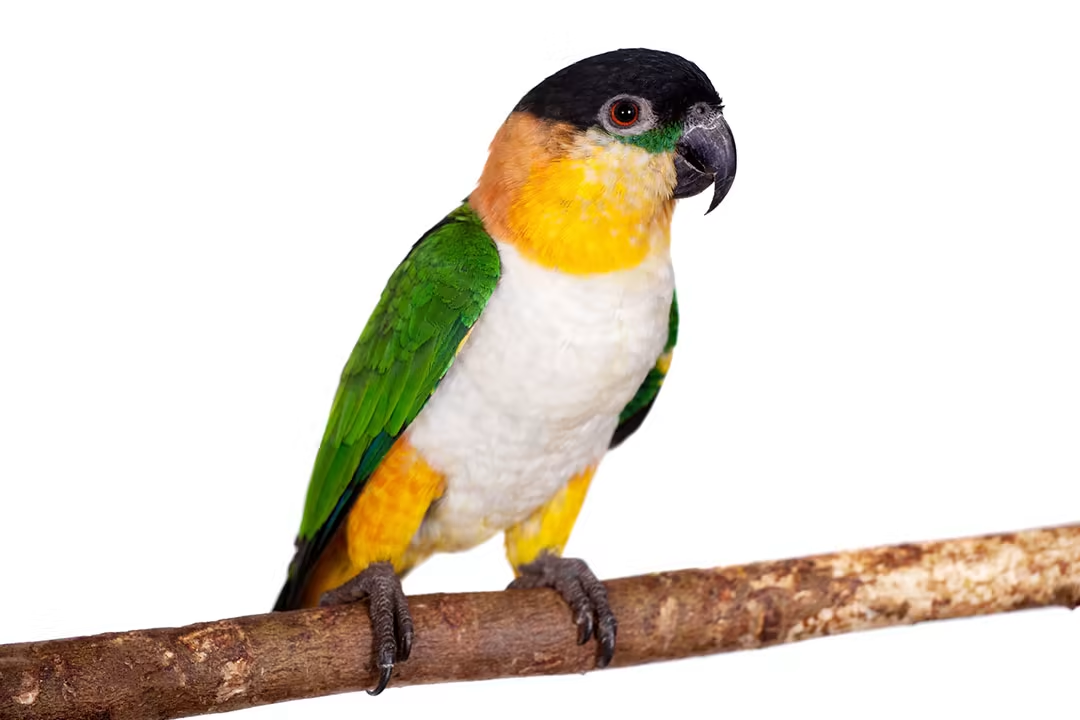
Learn how to care for small hookbill parrots, recommended diet & bird cage setup. Find the right food, supplies & equipment at your neighborhood Petco.
Updated on October 23rd, 2025
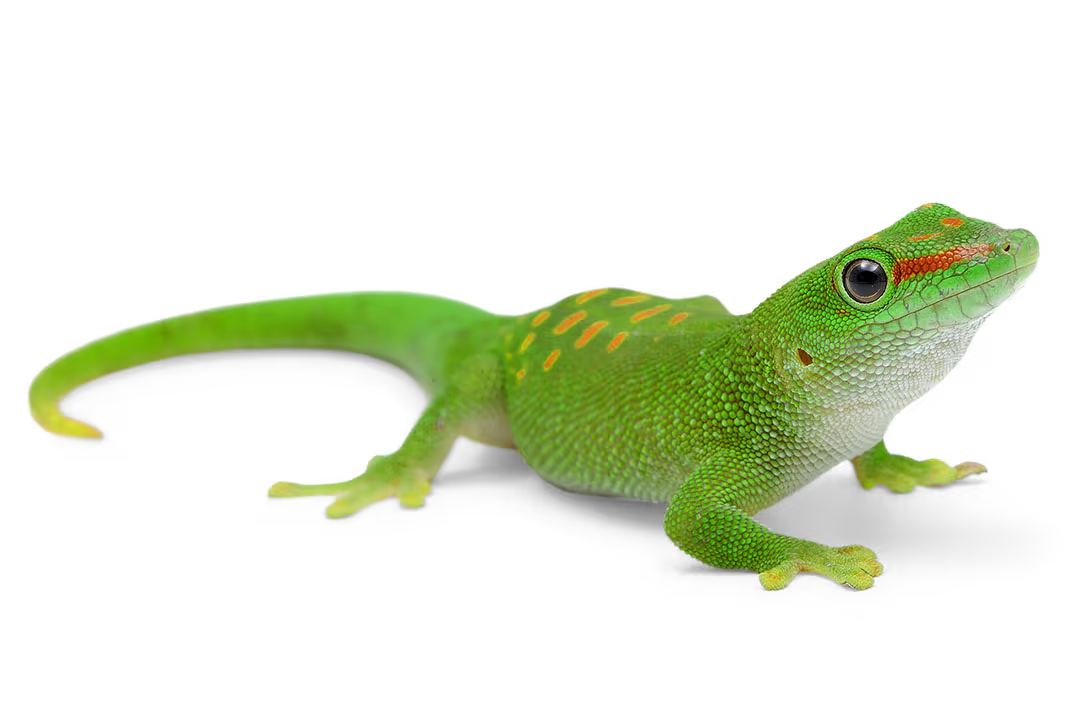
Learn how to care for a Giant Day Gecko, recommended diet & habitat setup. Find the right food, supplies & equipment at your neighborhood Petco.
Updated on October 23rd, 2025
It is too small to be used for much beyond transport, quarantine or temporary housing (i.e. during cleaning of main enclosure). The plastic construction does not allow for light or heat sources which most reptiles or exotic pets require.
Updated on September 24th, 2025
You can offer feeder fish, crickets, mealworms and waxworms. Gut load insect prey to maximize nutritional value. This can be done by feeding them a high protein baby cereal, tropical fish flakes, fresh fruits and vegetables for 24 hours prior to offering them to Lucy.
Updated on September 24th, 2025
Confirm proper environmental parameters, especially temperature. Low temps can affect appetite in reptiles and amphibians. Be sure you are offering appropriately sized prey as well. Nothing bigger than the space between the eyes. I would suggest you correct the type of pet you have in the information section. I don't think you have a tadpole if he hangs out with you on the desk. Knowing the species allows us to provide more accurate advice.
Updated on September 24th, 2025
As he matures, he will eat less protein (prey) and more greens. You should limit the wax worms though due to their high fat content. If he is regularly eating greens, continue to offer a healthy salad as well as a commercial beardie diet. Prey can be fed every other day. Make sure prey is appropriately sized. If they are too big, he won't eat. Be sure to gut load them to maximize nutritional value and dust with a calcium supplement and multivitamin several times weekly. Drop temperature across the tank to about 76 F on the cool side and 86 F on the warm side. The basking spot can be set around 90 - 100 F.
Updated on September 24th, 2025
A better option would be to use the link below to find a veterinarian experienced in treating reptiles. https://arav.site-ym.com/search/custom.asp?id=3661 In the meantime, change out the rocks for something "softer", such as a soil/most mix. Rocks can cause tiny scrapes on the shell which can introduce infection. Use a thermometer in the basking spot to make sure temps don't get too high. A thermometer on the other end would be recommended to make sure temps aren't too low. Offer a commercial pelleted diet along with fresh greens and vegetables.
Updated on September 24th, 2025