Two Easy Ways to Start Earning Rewards!
Earn 2X Pals Rewards points at Petco
when you use Petco Pay!
Get It Today
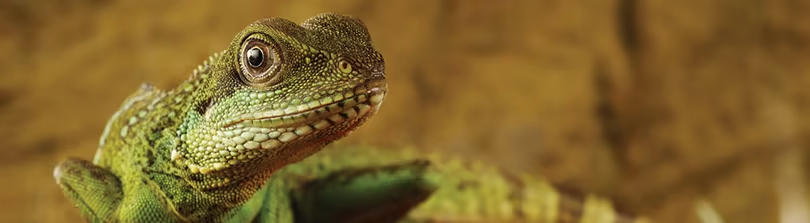
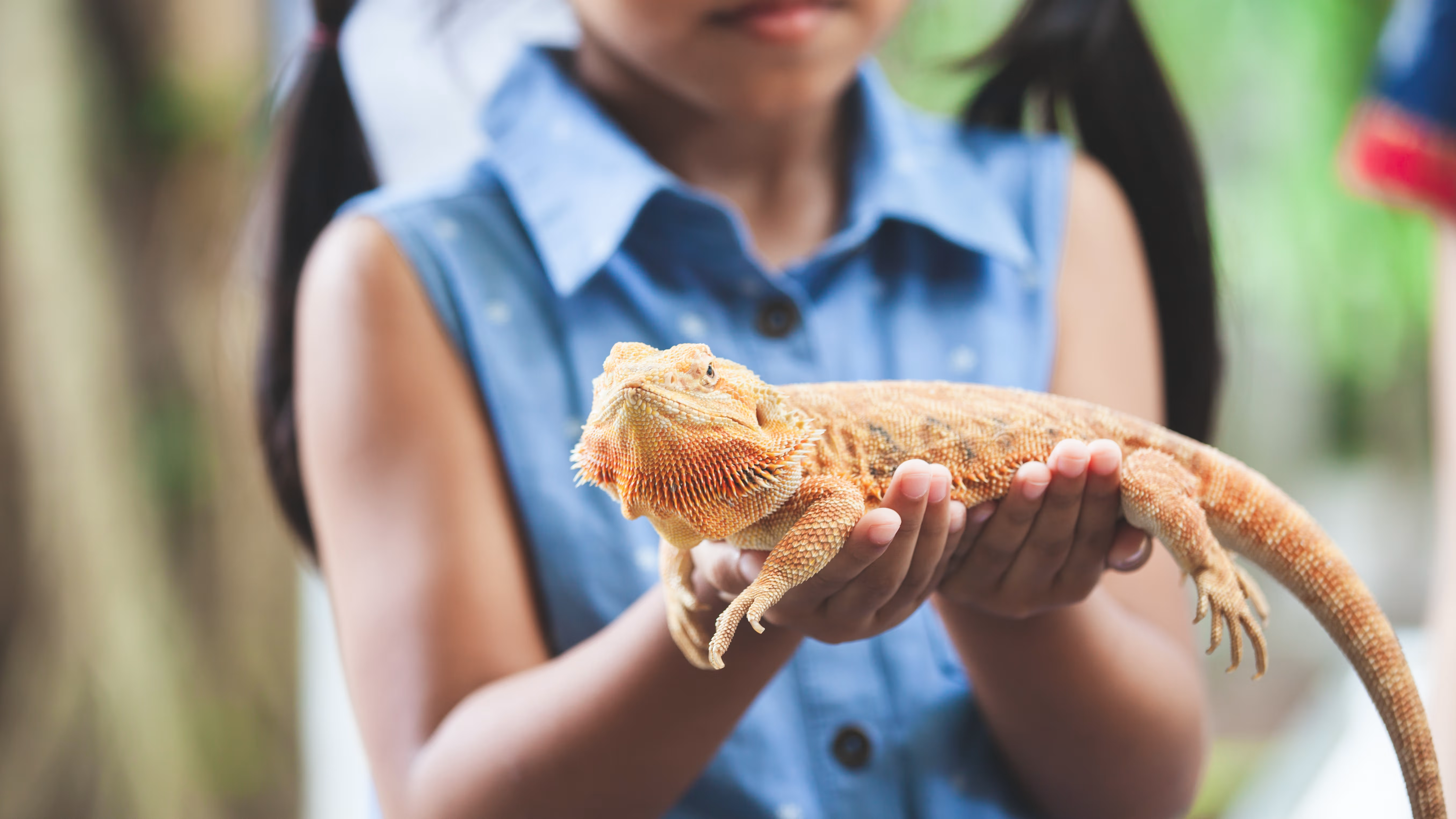
Read these guidelines about handling reptiles to provide a safe and fun environment for your pet, friends and family.
Updated on November 13th, 2025
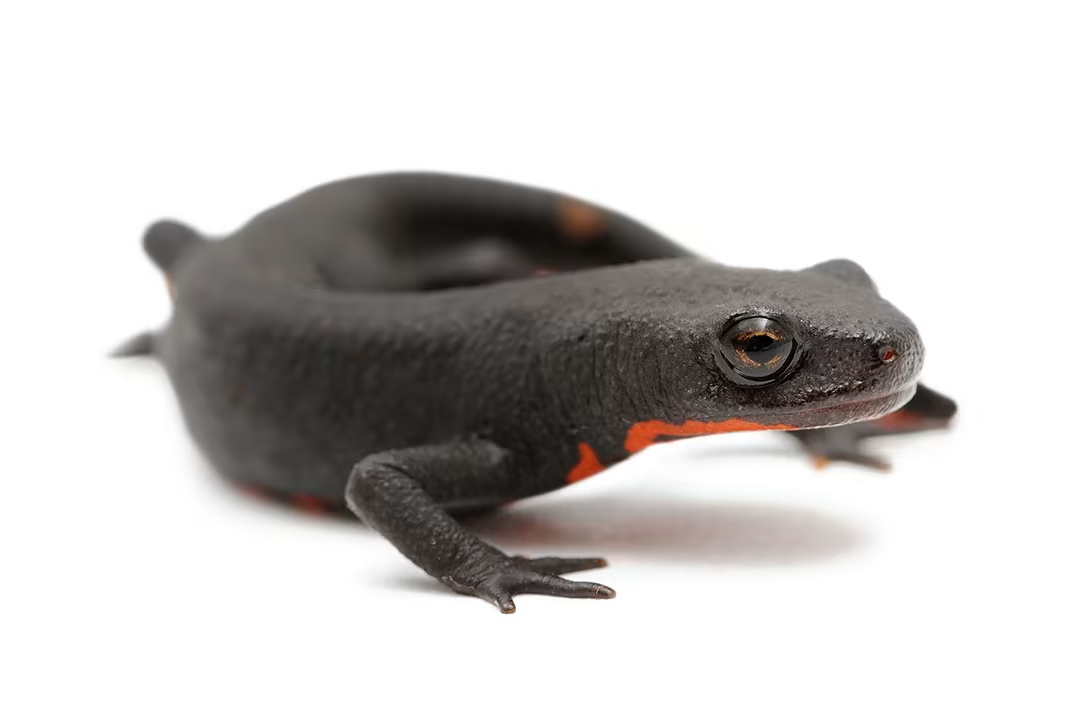
Learn How to Care for a Salamander & Newts, recommended diet and habitat setup. Find the right food, supplies and equipment at your neighborhood Petco.
Updated on November 13th, 2025
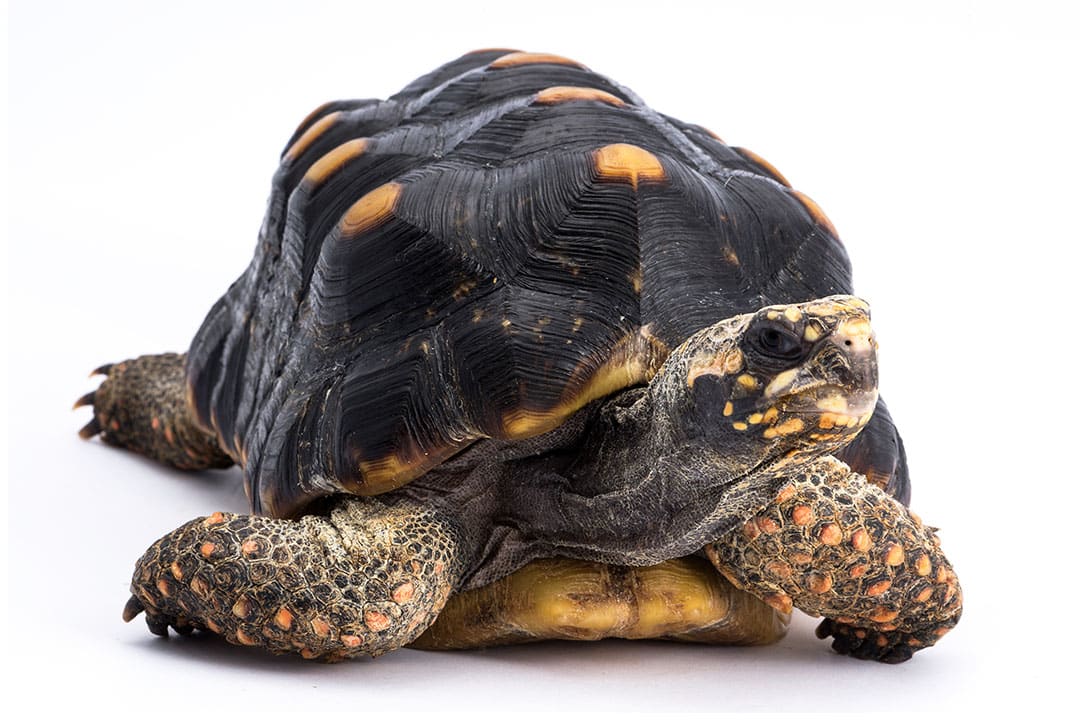
Learn how to care for tropical tortoise, recommended diet & habitat setup. Find the right food, supplies & equipment at your neighborhood Petco.
Updated on November 13th, 2025
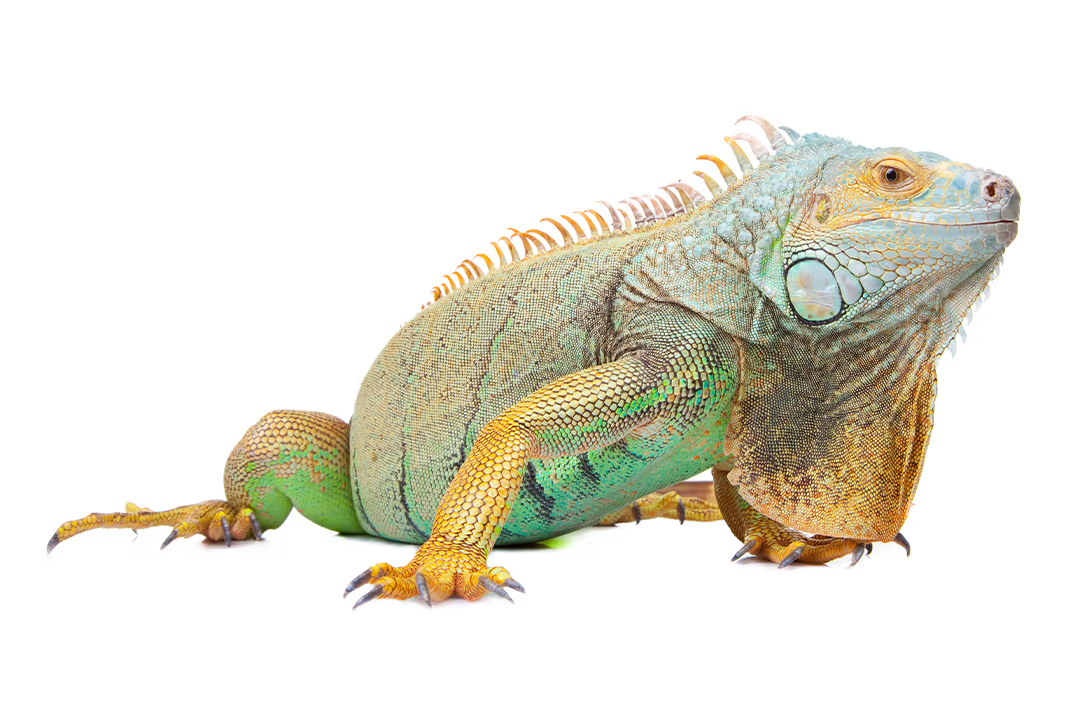
Learn how to take care of your Tropical Iguanas, recommended diet and housing setup. Find the right food, supplies and equipment at your neighborhood Petco.
Updated on November 13th, 2025
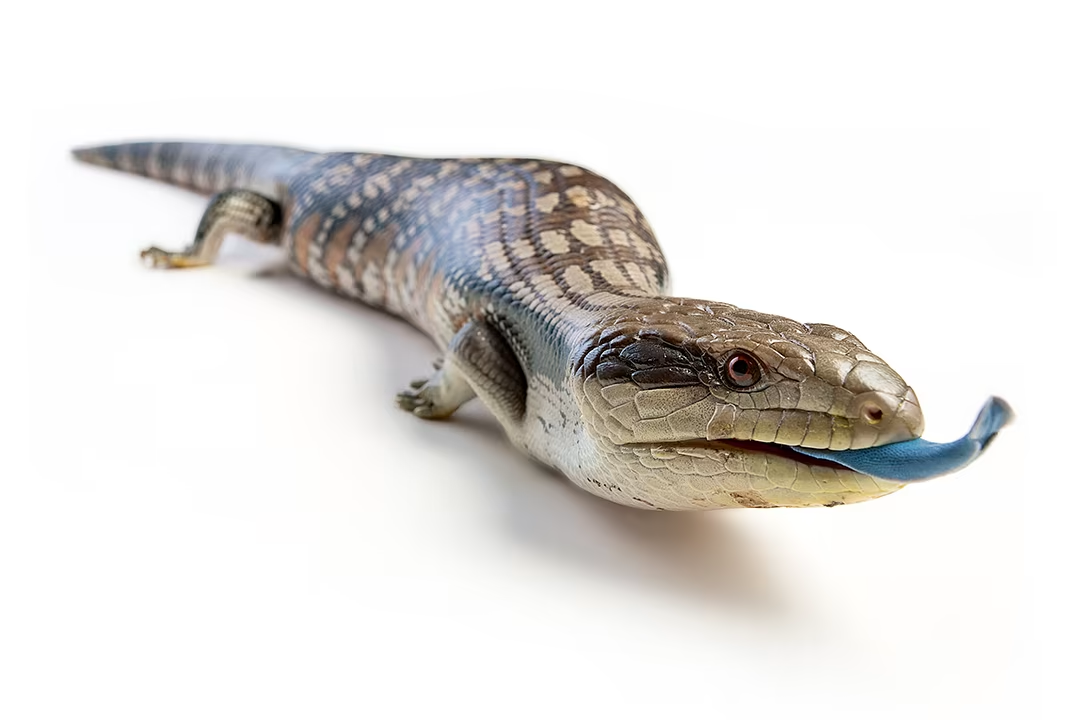
Learn how to care for Blue-Tongued Skink, recommended diet and habitat setup. Find the right food, supplies and equipment at your neighborhood Petco.
Updated on November 13th, 2025
Hi and thank you for your question :) The little bugs you saw are called mites, and they are parasites similar to the ticks dogs get (only much smaller). There are different treatments that can take care of these bugs. One way would be to get an anti-flee spray called 'Frontline' and apply a bit to a piece of cloth. Then whipe it over Roxy. Please have your parants help you with that and use disposable gloves. Otherwise, your vet should be able to treat it by other medications.
Updated on August 12th, 2025
Soak Razor in warm water for 15-20 minutes. Gently rub off any loose shed but do not pull or tear at it. If he is wiggly, you can place him in a small container with paper towels moistened with warm water for 15-20 minutes. The moist heat and humidity should help with the shed. Make sure he can breathe in the container. You can put this moist hide in his enclosure so he has a place to go when he is shedding. Monitor his stool and submit a sample to your vet to diagnose intestinal parasites if you see more "green liquid".
Updated on August 12th, 2025
Identification is difficult since they are so tiny and not clear in the images provided. They may have come in on substrate or plants. You can clean and sanitize the tank and bowls then replace the substrate and plants. That may solve the infestation. Monitor humidity and temp. Both are important for Billie, but both can also foster pests, bacteria and mold.
Updated on August 12th, 2025
By your description, it could be a species of isopod. These are typically not dangerous to tank inhabitants. The best option is to empty the tank and sanitize it. Use completely new substrate and monitor humidity levels. Keep the tank clean of stool and remove any uneaten food or dead/drying plants to prevent attraction of pests.
Updated on August 12th, 2025
Often when a reptile doesn’t want to eat, it is a sign that they don’t feel well. The most common reason behind them not feeling well is imperfections in their husbandry and diet. I would recommend consulting an online care sheet to ensure that your husbandry is as perfect as possible. Common areas of imperfection include temperature, lighting, and humidity. I would also recommend having Ash seen by a veterinarian, as they can help to counsel you about Ash’s husbandry as well. In addition to a thorough physical examination, they may recommend diagnostic testing including radiographs (x-rays) and blood work to evaluate systemic health. I hope that gives you a place to start, and thanks for using Boop by Petco!
Updated on August 12th, 2025