

Two Easy Ways to Start Earning Rewards!
Become a member today! Members-only pricing and offers, personalized care notifications, Vital Care points back on every purchase and more!
 Become a credit card member today!
Earn 2X Pals Rewards points at Petco
when you use Petco Pay!APPLY NOWLearn More About Petco Pay Benefits
Pro Bugs
Get It Today


Related Articles & Questions
- New Pet
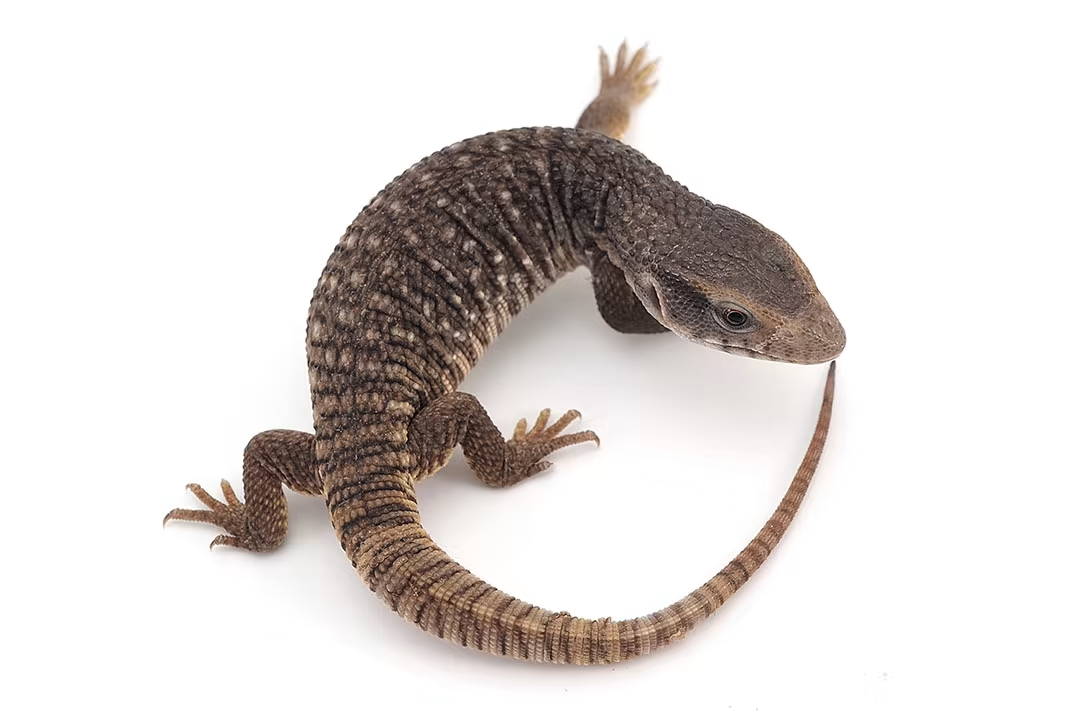
Savannah Monitor & Tegu Care: Setup, Feeding & Health Tips
Learn how to care for a monitor lizard, recommended diet and habitat setup. Find the right food, supplies and equipment at your neighborhood Petco.
Updated on October 23rd, 2025
- New Pet
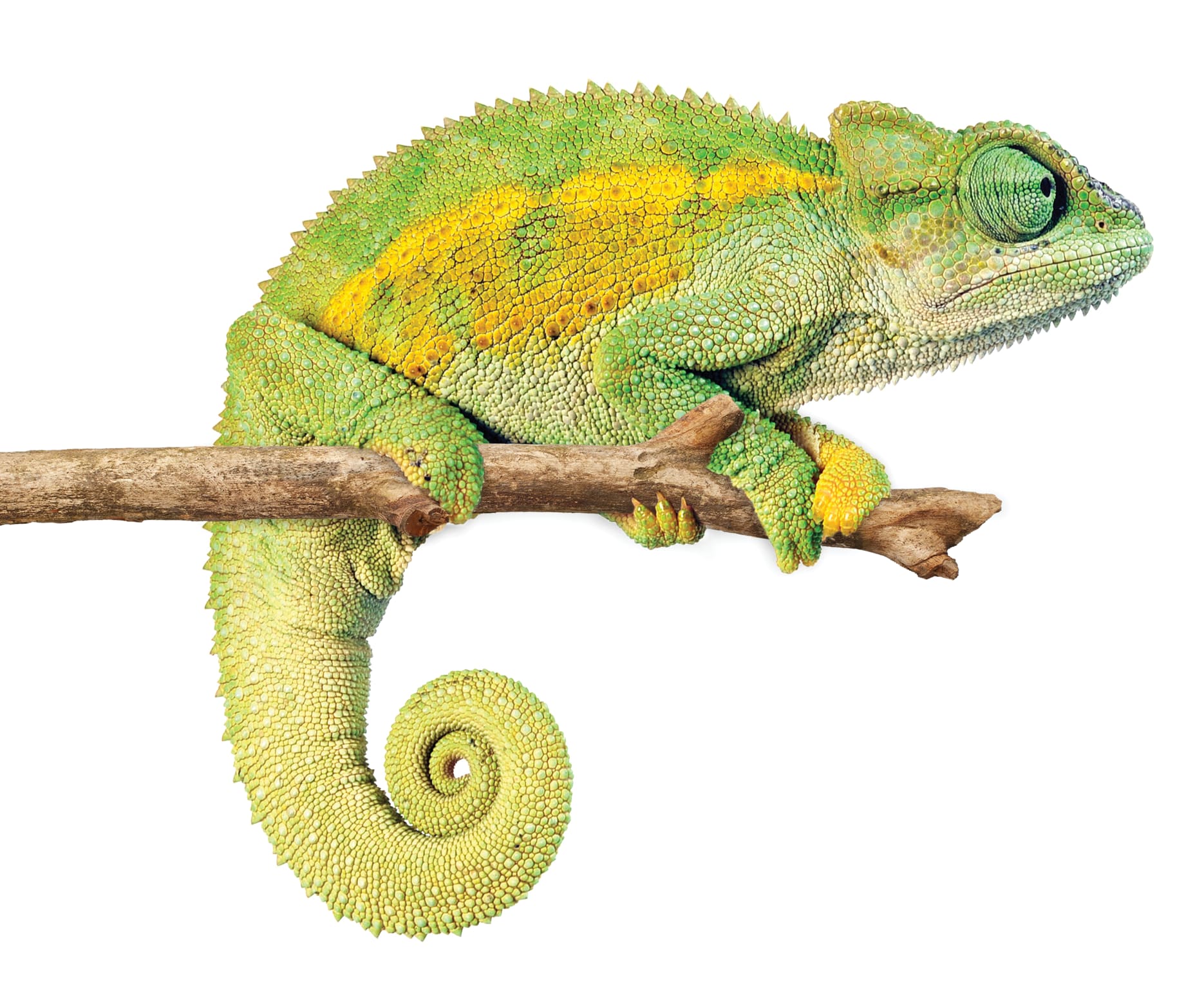
Cool Climate Chameleon Care: Habitat, Food, Health & Setup Secrets
Learn how to care for cool climate Chameleons, recommended diet & habitat setup. Find the right food, supplies & equipment at your neighborhood Petco.
Updated on October 23rd, 2025
- Health & Wellbeing
Reptile Metabolic Bone Disease: Understand, Prevent & Treat MBD
Search Petco for information about metabolic bone disease, which is fairly common in many reptiles. Use our tips to help keep your reptile comfortable.
Updated on October 23rd, 2025
- New Pet
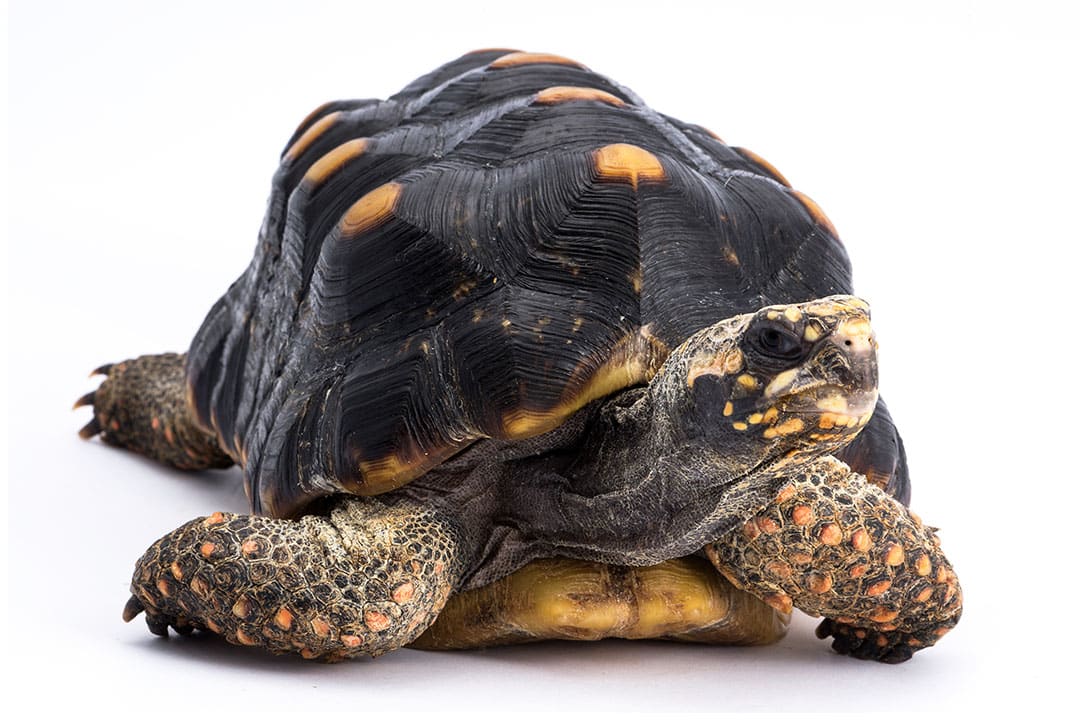
Pet Tortoise Care: Essential Guide to Food, Habitat & Health
Learn how to care for tropical tortoise, recommended diet & habitat setup. Find the right food, supplies & equipment at your neighborhood Petco.
Updated on October 23rd, 2025
- New Pet
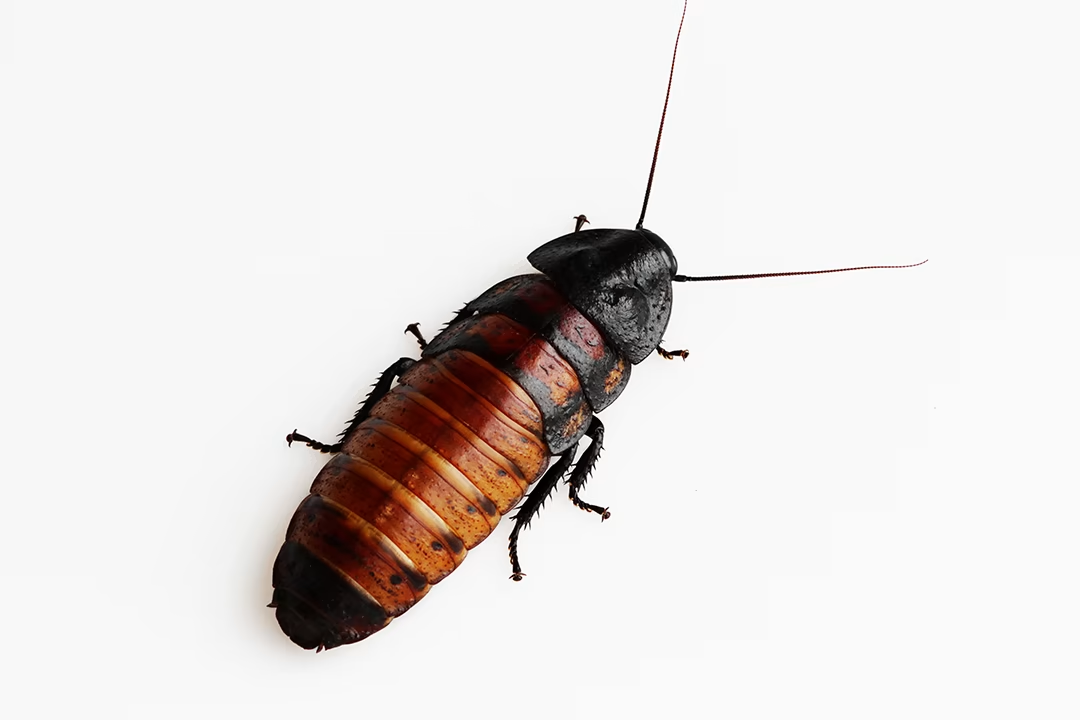
Ultimate Madagascar Hissing Cockroach Care: Habitat, Food, Health
Learn how to take care of Hissing Cockroaches, recommended diet and Habitat. Find the right food, supplies and equipment at your neighborhood Petco.
Updated on October 23rd, 2025
- Health & Wellbeing
I bought a bearded dragon from Petco on 10/19/19. It has a dark spot on its tail where stuck shed came off. I've tried betadine soaks and neosporin along with warm baths. She has also stopped eating. I have syringe fed her once a little reptaboost af
Thanks for reaching out about Zeplyn and including photos. The understanding is Petco will buy back with you being able to re-purchase. Check with them. Anorexia is often causes by intestinal parasites or infections, so a veterinary visit is recommended to assess and a diagnostic/treatment plan. Check and correct husbandry including temperature and gradient, UVB exposure, and diet. Good luck.
Updated on September 24th, 2025
- Health & Wellbeing
She is currently neglecting food and treats. Is this a problem?
Check the temperature an dlighting. Low temps can affect appetite and digestion in reptiles. Offer a biologically appropriate diet. This can include a commercial pelleted or stick diet, and being omnivorous, should also include insects, fresh fruit and vegetables. See your veterianrian or vet experienced in treating reptiles if she does not regain her appetite.
Updated on September 24th, 2025
- Health & Wellbeing
My sister's cat brought in a Southern Alligator Lizard and we have been trying to provide what we can to help him. He lost his tail, he's about 4 in. long, and mildly sluggish. He is docile and has not displayed any aggression and allows us to hold a
Just like any reptile, these guys are going to require special habitats and nutritional requirements in order to maintain their health. This will include special lighting UVB, special substrate, and supplemental heating. Here is a link to some information on the general care of these guys: http://www.repticzone.com/caresheets/367.html This should get you started off pretty good on general husbandry and care. The main concern you should have is making sure that there are no injuries to it since your cat grab it pretty good. He may be sluggish right now just from the general shock of the entire experience, but if his demeanor doesn't start changing soon, I would look into finding a reptile vet or wildlife rehabber to obtain some advise and/or medical treatments. Hope this helps.
Updated on September 24th, 2025
- Training & Behavior
1 year ago my leopard gecko escaped outside. 5 minutes ago we heard our dogs barking.When we found them we found our lizard Diana. She was and still is in terrible shape. She has a bloody eye and lost her tail. She is very pale but that may be becaus
Ideally, she should be physically examined by your veterinarian, at the nearest veterinary ER or by a vet experienced in treating reptiles. If this is not possible, get her under a heat lamp to start warming her up. You can also soak her in a warm 50/50 solution of water and unflavored PediaLyte for 15-20 minutes. Afterwards, clean the tail stump with a diluted Betadine or chlorhexidine (Hibiclens) solution. Dab a bit of triple antibiotic ointment on it after each cleaning. Clean it gently once daily and dry thoroughly afterwards. Keep her on paper towels and change it daily. Pick up some Fluker's Repta Boost and use that to feed her initially. When she is more active, you can introduce prey slowly. She may eventually regrow her tail. Even with care, she may not recover. It cannot be determined without a physical exam. https://www.petco.com/shop/en/petcostore/product/flukers-reptaboost-insectavore-and-carnivore-high-amp-boost
Updated on September 24th, 2025
- Health & Wellbeing
Also I don’t know if the boy is bullying her I don’t think he is but they sleep together and seem fine he just pulled off some skin when she was shedding and chased her once but didn’t try to hurt her
I am very sorry but you have not provided enough information for us to help you. What types of animal are you referring to? It just states reptile: are you talking about geckos, snakes, bearded dragons, turtles.........??? Do you have some photos of the skin that was pulled off? Please post again with more information and photos. Thank you.
Updated on September 24th, 2025