

Two Easy Ways to Start Earning Rewards!
Become a member today! Members-only pricing and offers, personalized care notifications, Vital Care points back on every purchase and more!
 Become a credit card member today!
Earn 2X Pals Rewards points at Petco
when you use Petco Pay!APPLY NOWLearn More About Petco Pay Benefits
Pro Bugs Small Pet
Get It Today


Related Articles & Questions
- New Pet
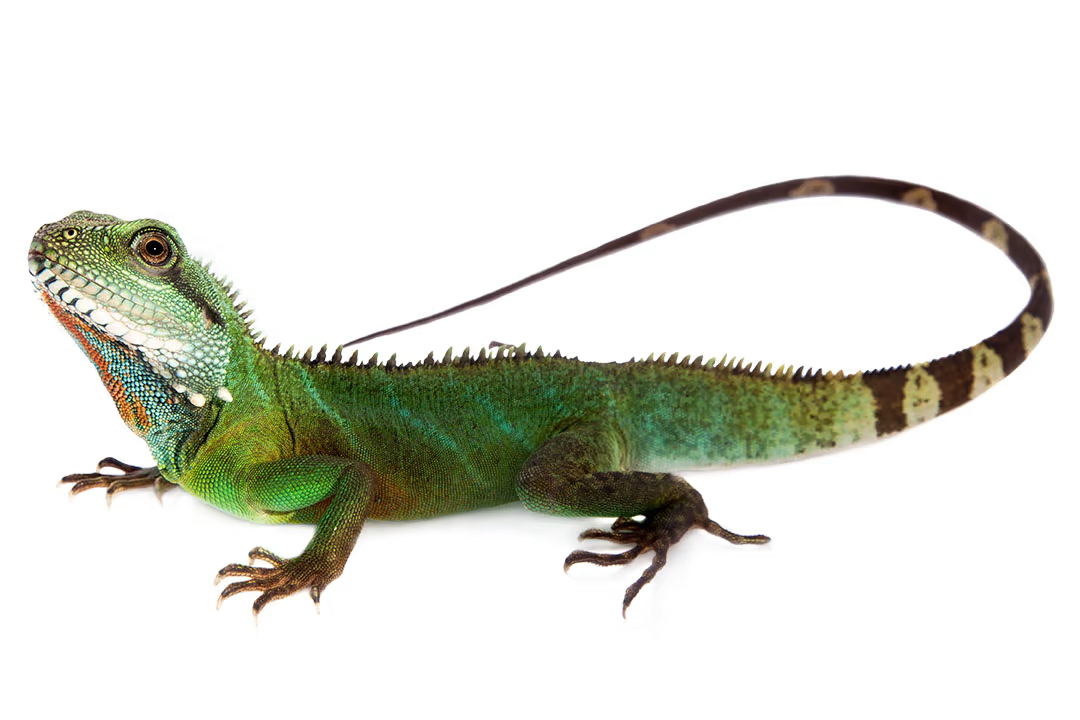
Ultimate Tropical Lizard Care: Habitat, Food & Health for a Happy Pet
Learn how to care for tropical lizards, recommended diet & habitat setup. Find the right food, supplies & equipment at your neighborhood Petco.
Updated on October 23rd, 2025
- New Pet
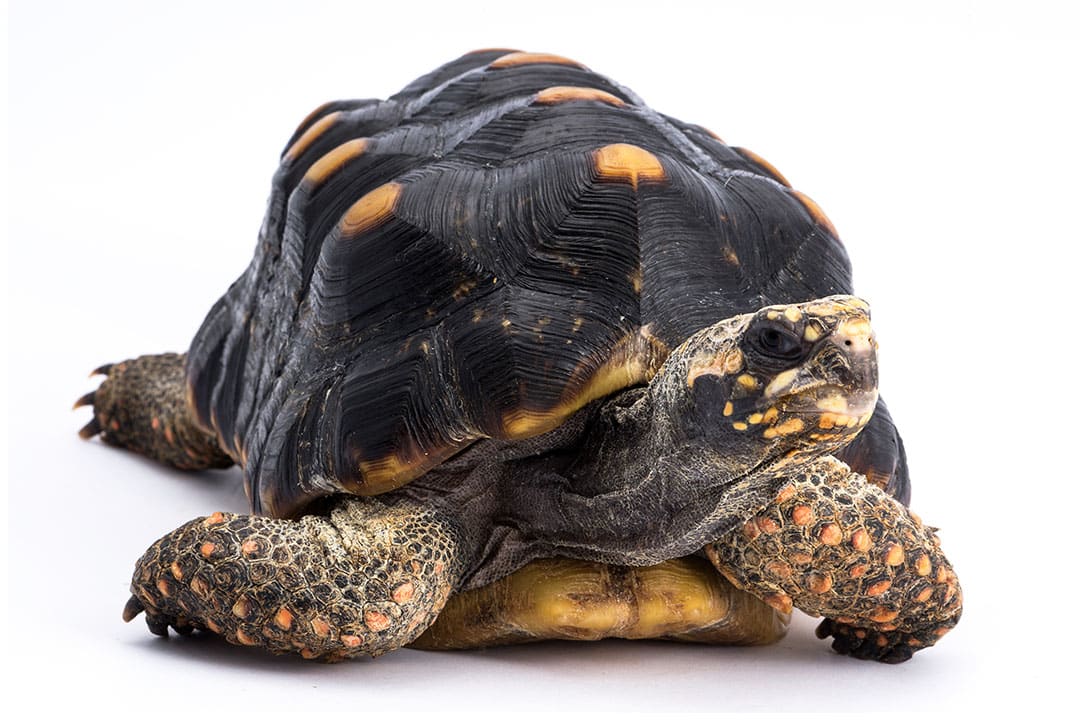
Pet Tortoise Care: Essential Guide to Food, Habitat & Health
Learn how to care for tropical tortoise, recommended diet & habitat setup. Find the right food, supplies & equipment at your neighborhood Petco.
Updated on October 23rd, 2025
 Product Guides
Leopard Gecko Substrate Guide: Best Bedding for a Healthy Pet
Picking the best leopard gecko substrate can be an overwhelming task; learn about some great options to help your leopard gecko live a happy & healthy life!
Updated on October 23rd, 2025
- Health & Wellbeing
Reptile Metabolic Bone Disease: Understand, Prevent & Treat MBD
Search Petco for information about metabolic bone disease, which is fairly common in many reptiles. Use our tips to help keep your reptile comfortable.
Updated on October 23rd, 2025
- New Pet
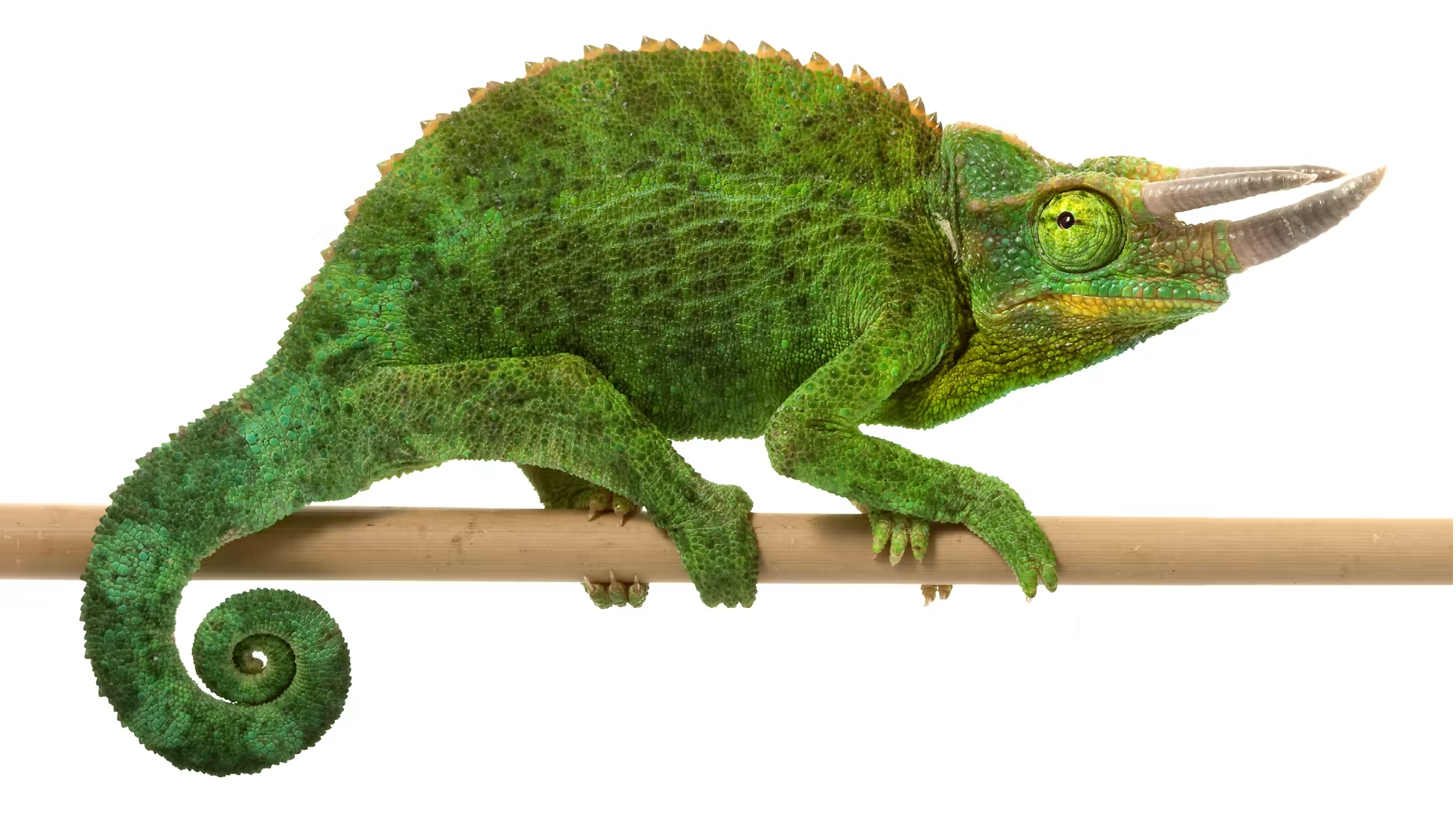
Jackson's Chameleon Care: Thrive Guide for Food, Habitat & Health
Learn how to care for Jackson's Chameleons, recommended diet & habitat setup. Find the right food, supplies & equipment at your neighborhood Petco.
Updated on October 23rd, 2025
- Health & Wellbeing
My bearded dragon tank lost its lightbulb and our car doesn't work. (Going to a store isn't an option.) What can I feed him besides crickets and do to keep him warm. Keep in mind we only ha e access to household items. He won't eat any vegetables I f
Hi, For heat you could do a number of things e.g. place any incandenscent bulb above him, place other types of heaters near the tank etc. Please make sure that the temperature is not too high. As for food, this is more of a problem. If he's used to eating crickets it would be difficult to switch him at once to something else. I assume meal worms or otjer insects are also unavailable? You could very temporarily try some soft cat food but it may not work.
Updated on September 24th, 2025
- Training & Behavior
1 year ago my leopard gecko escaped outside. 5 minutes ago we heard our dogs barking.When we found them we found our lizard Diana. She was and still is in terrible shape. She has a bloody eye and lost her tail. She is very pale but that may be becaus
Ideally, she should be physically examined by your veterinarian, at the nearest veterinary ER or by a vet experienced in treating reptiles. If this is not possible, get her under a heat lamp to start warming her up. You can also soak her in a warm 50/50 solution of water and unflavored PediaLyte for 15-20 minutes. Afterwards, clean the tail stump with a diluted Betadine or chlorhexidine (Hibiclens) solution. Dab a bit of triple antibiotic ointment on it after each cleaning. Clean it gently once daily and dry thoroughly afterwards. Keep her on paper towels and change it daily. Pick up some Fluker's Repta Boost and use that to feed her initially. When she is more active, you can introduce prey slowly. She may eventually regrow her tail. Even with care, she may not recover. It cannot be determined without a physical exam. https://www.petco.com/shop/en/petcostore/product/flukers-reptaboost-insectavore-and-carnivore-high-amp-boost
Updated on September 24th, 2025
- Health & Wellbeing
My son has a long tailed grass lizard that appears to have trouble breathing. It stopped running away when approached, keeps its eyes closed and opens its mouth to take gassy breathes. There seems to be some wheezing too. Can we save him?
Hi, and thanks for your question. This sign could be compatible with an upper respiratory tract inflammation/infection or possibly to a rhinitis (inflammatory, allergic, infective). A clinical examination at your local veterinarian is essential to confirm these clinical suspicions and treat appropriately. Antibiotics may be needed. Hope this answer was helpful, but please do not hesitate to contact us again on the forum or by requesting a consultation if you have any more questions or to discuss it any further. If this answer was helpful please let us know, this will be used to improve our service!
Updated on September 24th, 2025
- Health & Wellbeing
My frog is not eating since I bought it 2 days ago, it stays sticked to the tank's glass most of the time, it's skin color is dark green. I gave it a cricket and a worm.
It may take a few days for Mocha to acclimate to the new surroundings. continue to offer wiggly prey and maintain the proper temperature and humidity. Low temps can affect appetite and activity in reptiles and amphibians.
Updated on September 24th, 2025
- Health & Wellbeing
Lightning’s toe, on his back right foot looks a bit odd, it looks like there is no scales there , and the “skin” on the toe looks like it’s about to fall off. Also the claw is in the toe and only sticks out a bit. He was shedding a few days ago but h
Soak him in warm water for 15-20 minutes daily until the bit of shed falls off. Monitor for swelling, discomfort, redness, lameness or lethargy. Keep his enclosure clean. If he develops any of the above symptoms, have him examined by your veterinarian or a vet experienced in treating reptiles.
Updated on September 24th, 2025