Two Easy Ways to Start Earning Rewards!
Become a member today! Members-only pricing and offers, personalized care notifications, Vital Care points back on every purchase and more!
 Become a credit card member today!
Earn 2X Pals Rewards points at Petco
when you use Petco Pay!APPLY NOWLearn More About Petco Pay Benefits
Repashy
Get It Today


Related Articles & Questions
- New Pet
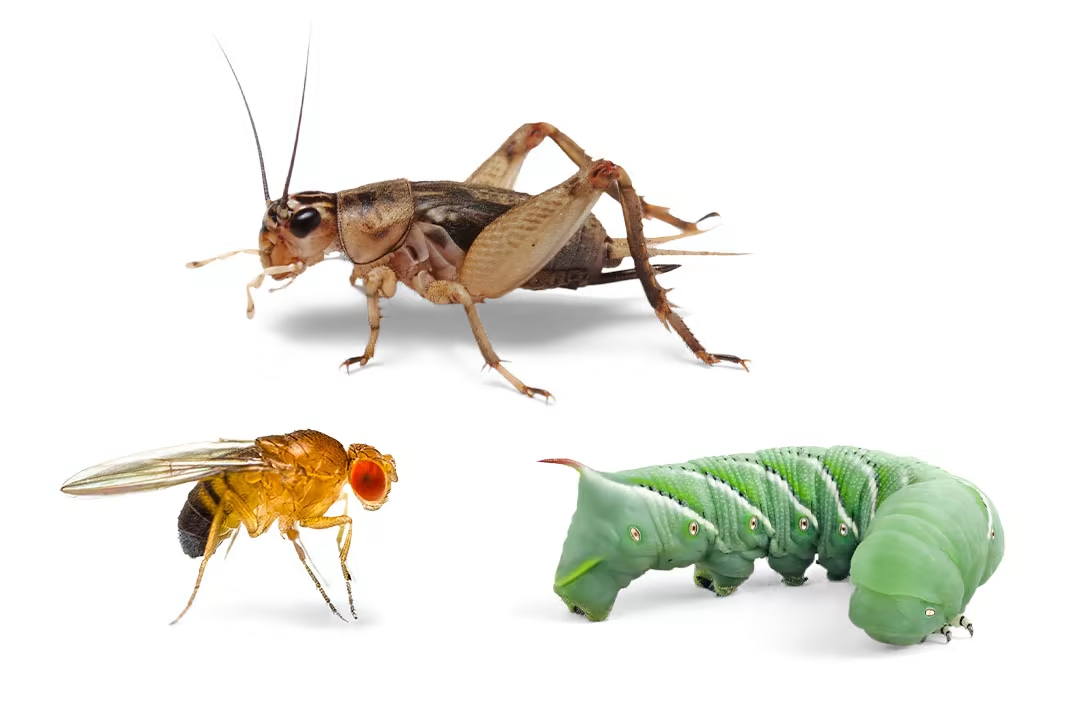
Reptile Feeding: Live Insect Selection & Care for Optimal Health
Learn about live insects for reptile feeding, recommended diet & habitat setup. Find the right food, supplies & equipment at your neighborhood Petco.
Updated on November 13th, 2025
- New Pet
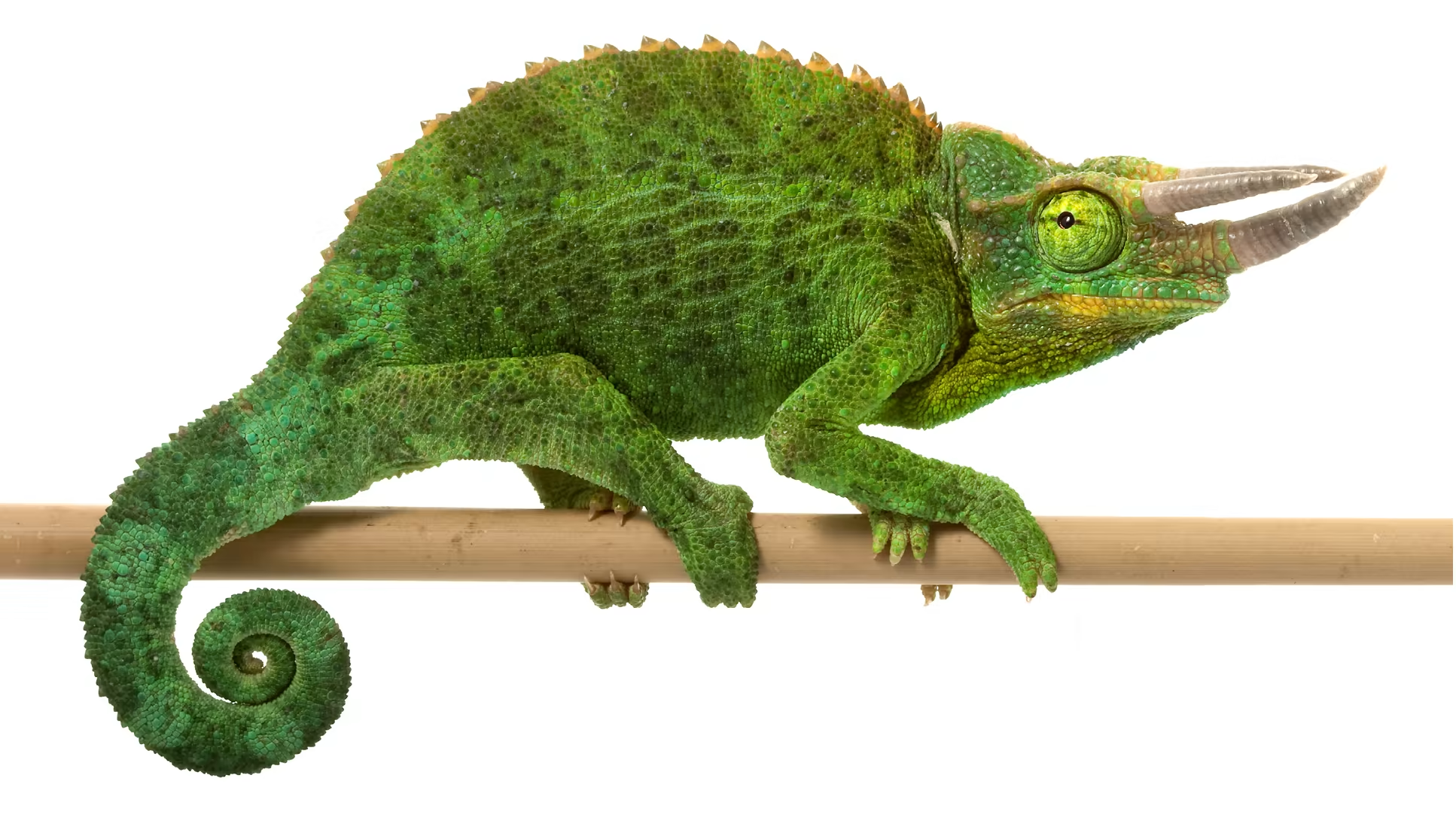
Jackson's Chameleon Care: Thrive Guide for Food, Habitat & Health
Learn how to care for Jackson's Chameleons, recommended diet & habitat setup. Find the right food, supplies & equipment at your neighborhood Petco.
Updated on November 13th, 2025
- New Pet
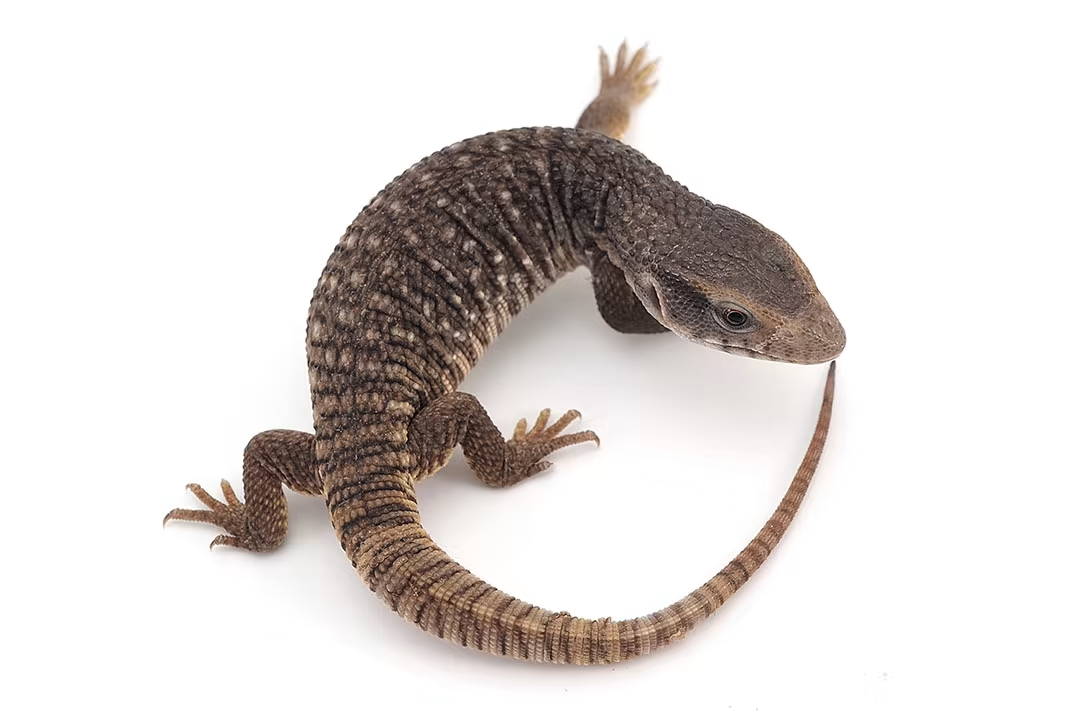
Savannah Monitor & Tegu Care: Setup, Feeding & Health Tips
Learn how to care for a monitor lizard, recommended diet and habitat setup. Find the right food, supplies and equipment at your neighborhood Petco.
Updated on November 13th, 2025
- Home & Habitat
Reptile UVB Lighting: Help Your Pet Thrive with the Right Lamp
Learn the importance of UVB light for your reptiles and the right reptile lights for your pet’s habitat.
Updated on November 13th, 2025
- New Pet
How to Safely Handle Reptiles: Stop Salmonella, Protect Your Family
Read more about our recommendations for preventing the transmission of infectious diseases in reptiles. Keep pets safe with these best practices.
Updated on November 13th, 2025
- Health & Wellbeing
He isnt eating well and hasnt had the appetite he used to for a long time also he had some nose rub im wondering what could be wrong if its his enclosure or him being stressed from being close to my chameleon or something i need to take him to the ve
Use a background to block his view. This may prevent glass surfing or nose rubbing as well as provide more privacy/security. Again, check the temps in his enclosure to make sure it is species appropriate. Offer a variety of crickets, mealworms, dubia roaches, silkworms and wax worms. Gut load prey for 24 hours prior to offering. Dust appropriately with vitamins and minerals regularly. He may also benefit from a soak in a warm 50/50 solution of water and unflavored PediaLyte. If his appetite does not return after adjustments to environment and diet, have him examined by your veterinarian or a vet experienced in treating reptiles. Submit a stool sample to diagnose intestinal parasites or bacterial overgrowth.
Updated on August 12th, 2025
- Food & Nutrition
I have always given my turtle ReptoMin for the past 14 years. Are there any other foods or treats i can feed her?
Why change a working system? You are obviously doing very well in the way you keep your turtle. Since apparently your turtle is doing well, it is getting everything it needs with the Reptomin. You could try offering it leafy greens, freeze-dried shrimp or krill, crickets, superworms, rosy red minnows and even pinky mice as an occasional treat.
Updated on August 12th, 2025
- Health & Wellbeing
I just purchased a baby leopard gecko from petco. I noticed it was the smallest of all of them and occasionally it will shake its legs individually like thumper... what could this be ? It eats really good!
If it is only occasionally, continue to monitor him/her. A nutritional deficiency is always a concern, especially in juveniles, but as long as the appetite is good this is not a concern. Be sure to supplement with a calcium/D3 at each feeding and a multivitamin several times a week. Repashy, HerptiVite and Rep-Cal w/D3 are all options. If the shaking/thumping worsens or if you see lethargy, lameness or swollen limbs/joints, then have the little one examined by your veterinarian or an experienced herp vet.
Updated on August 12th, 2025
- Health & Wellbeing
1)Raptor didnt shed real well because he only shed his back legs and neck. 2)Both of his eye are shut. 3)green liquid on his enclosure bedding.
Soak Razor in warm water for 15-20 minutes. Gently rub off any loose shed but do not pull or tear at it. If he is wiggly, you can place him in a small container with paper towels moistened with warm water for 15-20 minutes. The moist heat and humidity should help with the shed. Make sure he can breathe in the container. You can put this moist hide in his enclosure so he has a place to go when he is shedding. Monitor his stool and submit a sample to your vet to diagnose intestinal parasites if you see more "green liquid".
Updated on August 12th, 2025
- Health & Wellbeing
My leopard gecko may have early signs of kidney disease. The vet says the xrays were fine and he looks healthy and gave me some omega 3 to give my gecko. He is 18 yrs old. What can I do at home via diet, soaking etc to help him heal? I have found
Soak once or twice weekly in a warm 50/50 solution of water and unflavored PediaLyte. Feed lower protein prey (mealworms, nightcrawlers, crickets). Avoid high protein prey such as locusts, dubia roaches and waxworms. Blood work may need to be monitored to track progression. Further treatment (steroids, phosphate binders, calcium supplements, fluid therapy) will depend on status. The waxy substance may be normal secretions from the pre anal pores. This is used for marking branches and letting other geckos know who is in the area.
Updated on August 12th, 2025