

Two Easy Ways to Start Earning Rewards!
Become a member today! Members-only pricing and offers, personalized care notifications, Vital Care points back on every purchase and more!
 Become a credit card member today!
Earn 2X Pals Rewards points at Petco
when you use Petco Pay!APPLY NOWLearn More About Petco Pay Benefits
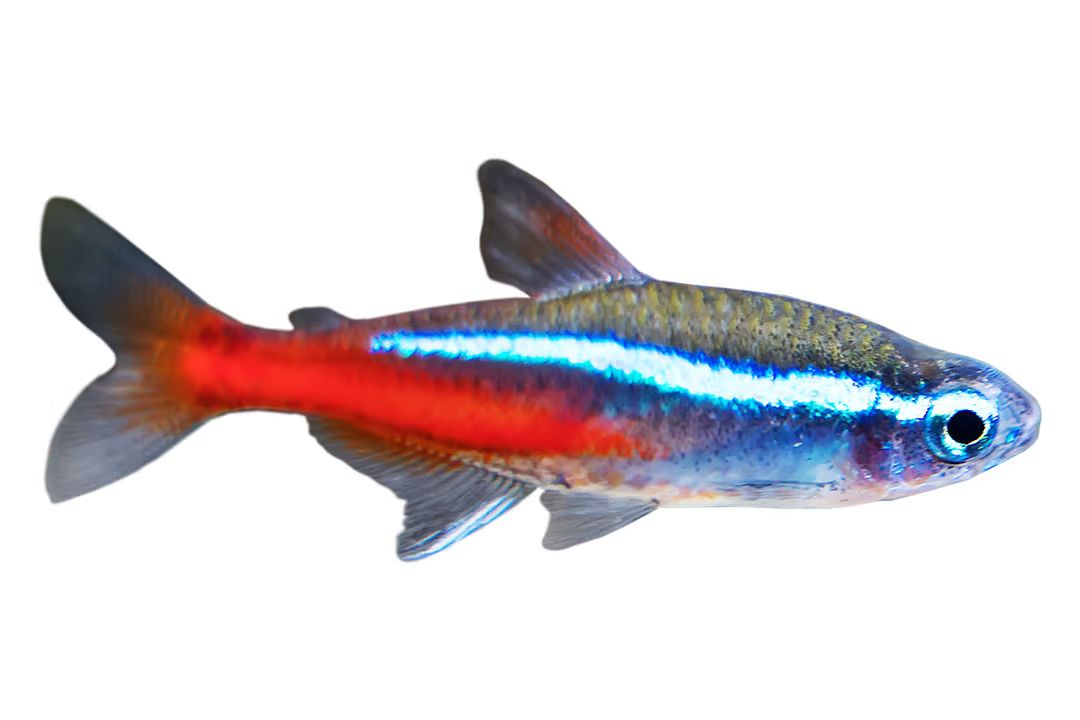
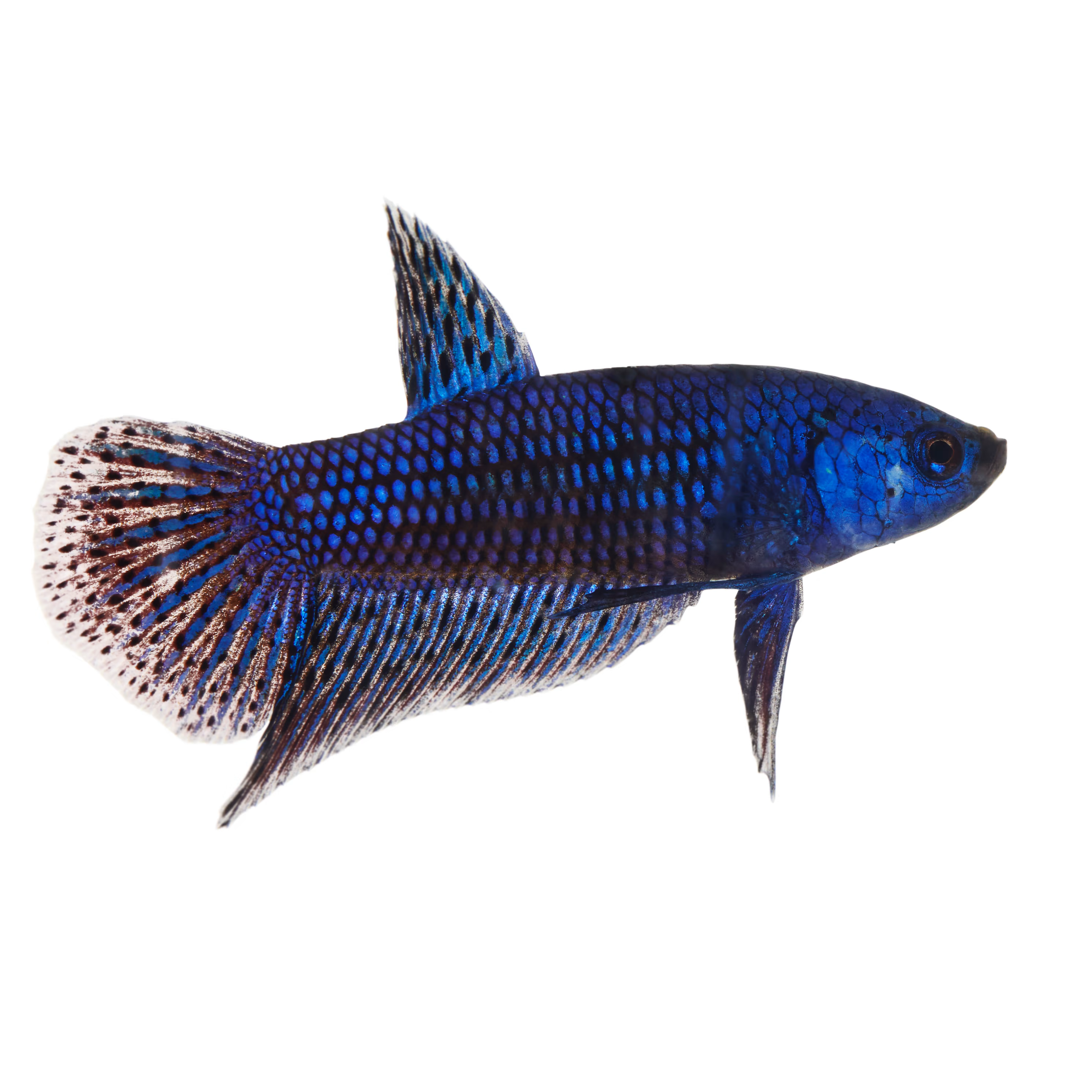
TetraBetta
Get It Today


Related Articles & Questions
- New Pet
Complete Tetra Care: Tank Setup, Food, & Compatibility Tips
Learn how to care for a Tetra, recommended diet & habitat setup. Find the right food, supplies & equipment at your neighborhood Petco.
Updated on October 23rd, 2025
- New Pet
How to Care for Betta Fish: Tank Setup, Feeding, & Compatibility
Learn how to care for a betta fish, recommended diet and habitat setup. Find the right food, supplies and equipment at your neighborhood Petco.
Updated on October 23rd, 2025
- New Pet
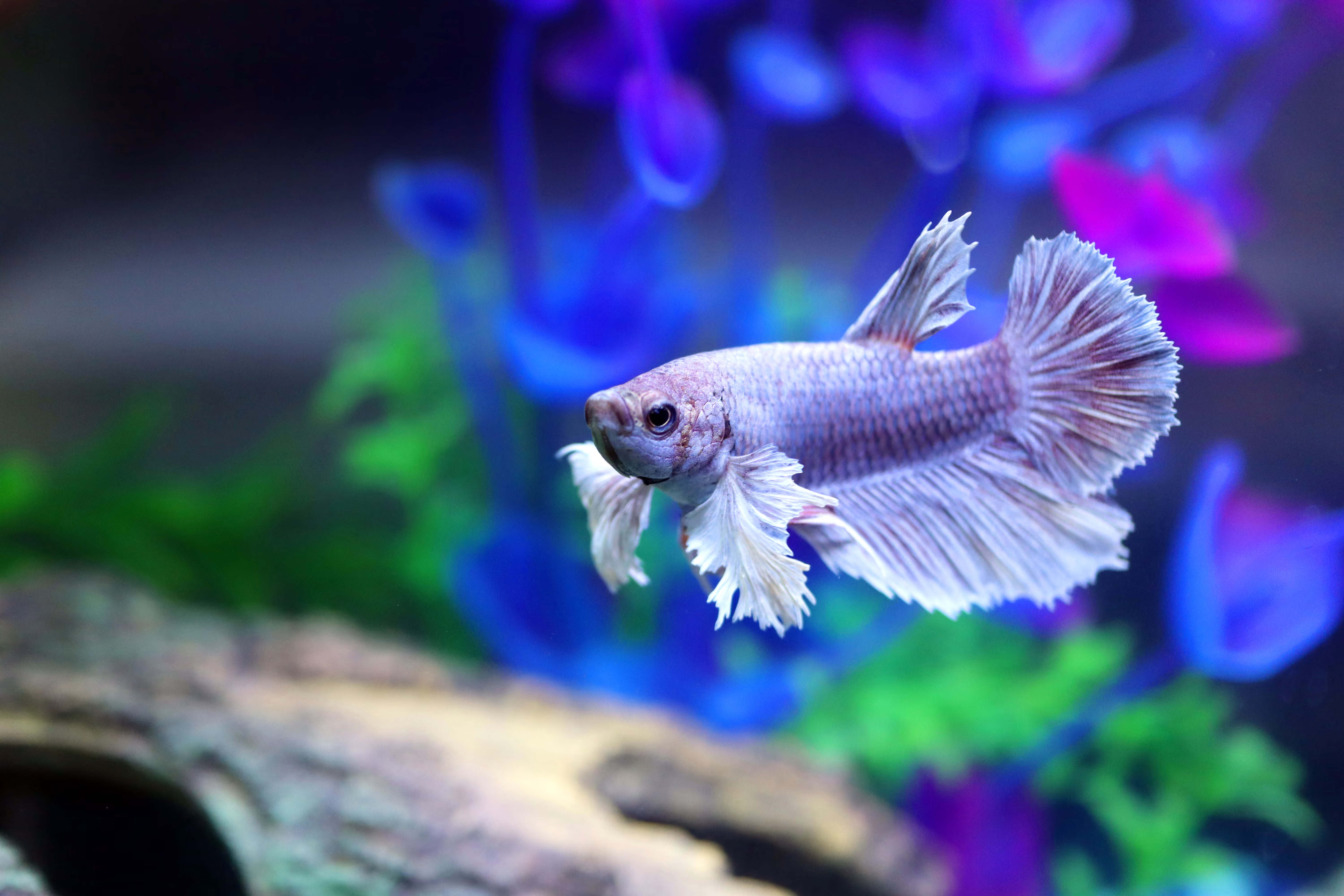
Ultimate Betta Fish Care: Tank Setup, Water Quality & Health
If you’re thinking of adding a betta fish to your family, learn a few fun facts about these underwater wonders.
Updated on October 23rd, 2025
- Health & Wellbeing
Play with Your Betta Fish: Easy Ways to Engage & Keep Them Happy
You may not take your betta fish for a walk, but this aquatic pet still needs daily activity. Petco shares how to encourage daily exercise and play into your betta fish's life.
Updated on October 23rd, 2025
- New Pet
Aquatic Pet Safety: Keep Your Home Aquarium Pets Healthy & Safe
Learn how to safely handle your aquatic life to avoid toxin & bacterial exposure. Find aquatic life care supplies at your neighborhood Petco pet care center.
Updated on October 23rd, 2025
- Health & Wellbeing
I'm about to buy some new fishes mostly Tetra Can you help me what fish should I buy because I am beginner in this things. Please tell me what sort of things I should bring I have a one foot tank now other than that What should I purchase from Aquar
Before you buy any fish, you will need to set up the tank. A basic set up includes: a tank, filter, hood/light, heater, gravel and some decor. The tank should run without fish for at least 4 to 6 weeks. This gives it time to cycle. The Nitrogen Cycle is critical to the health of the tank and any fish you will be keeping. During this time, beneficial bacterial will populate the filter and substrate (gravel). These bacteria will be responsible for breaking down fish wastes and other wastes (uneaten food, dead plants, etc.). You will need a home test kit to monitor water chemistry (ammonia, nitrites, nitrates, pH) or you will have to submit water samples for testing. Most pet stores will do this for free or for a small fee. At first, you will see high levels of ammonia and nitrites. Over time, as bacteria grow, these levels will drop. When ammonia and nitrites are at 0 ppm and nitrates are below 20 ppm, you can consider adding fish. Regular (every 1 or 2 weeks) partial water changes as we
Updated on September 24th, 2025
- Health & Wellbeing
Hi, I'm planning on getting a betta fish and I'm wondering what foods are best for it
These are the two highest rated foods for your Betta! You can pick some up when your go in to purchase your Betta; Freeze dried bloodworms https://m.petco.com/shop/en/petcostore/product/omega-one-freeze-dried-betta-treat# Aqueon Natural Beta Food https://m.petco.com/shop/en/petcostore/product/aqueon-betta-color-enhancing-pellets-betta-food#
Updated on September 24th, 2025
- Health & Wellbeing
I want to get both of my betas tank mates and one of my friends told me that harlequin rasbora's and neon tetras are good I just want to make sure they are. Or if there are better fish I could put in their tank.
Tetras may be a bit nippy. Rasboras are schooling fish, so you'll need at least 5-6. Make sure your tank can handle this number of fish. Shrimp (red cherry, ghost or amano) or snails (nerites) also make good tankmates.
Updated on September 24th, 2025
- Training & Behavior
How to introduce betta fish to neon tettra, guppies
Betta are definitively very territorial and you may notice multiple fights for space at the beginning. Definitively the aquarium must have multiple spots for hiding like Terra Cotta Flowerpots and PVC Piping, moss or bushy plants, ornaments, rocks and driftwoods. This will avoid open fights and will provide good places to have some rest.
Updated on September 24th, 2025
- Health & Wellbeing
I got a baby betta fish and was wondering how do I care for it : as in habitat , water changes , feeding and heating
Mushu is very cute! Betta care is very easy. Ideally, a 5 gallon tank should be used to house your Betta. A smaller tank can be used, but the maintenance (water changes) will be much more frequent. A filter is always recommended otherwise water changes will be required every few days to maintain water quality. With a filter, 20% water changes can be done weekly or every two weeks. Use only aged or conditioned water that is temperature matched to prevent stress or shock. Choices for conditioners include AmQuel Plus, NovAqua, StressCoat, Prime or StressZyme. A small submersible heater is necessary since Bettas are tropical fish. They do best in slow moving water between 78F and 80F. You can feed a pelleted diet such as Hikari Micro Pellets until he grows bigger. Baby brine shrimp, daphnia, bloodworms and blackworms can also be fed. Feed one or twice daily. He should only need 2-3 pellets at each feeding. The conditioners and food can be found in the aquarium section of the local P
Updated on September 24th, 2025