Two Easy Ways to Start Earning Rewards!
Earn 2X Pals Rewards points at Petco
when you use Petco Pay!
Get It Today
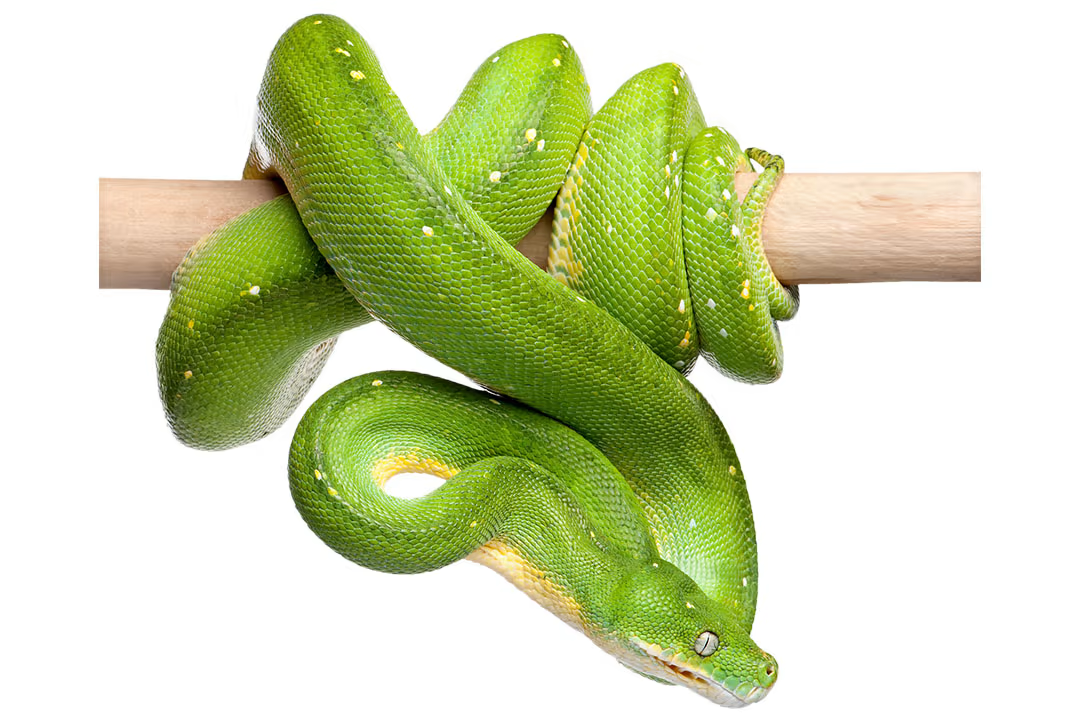
Learn how to care for a Python, recommended diet & habitat setup. Find the right food, supplies & equipment at your neighborhood Petco.
Updated on November 13th, 2025
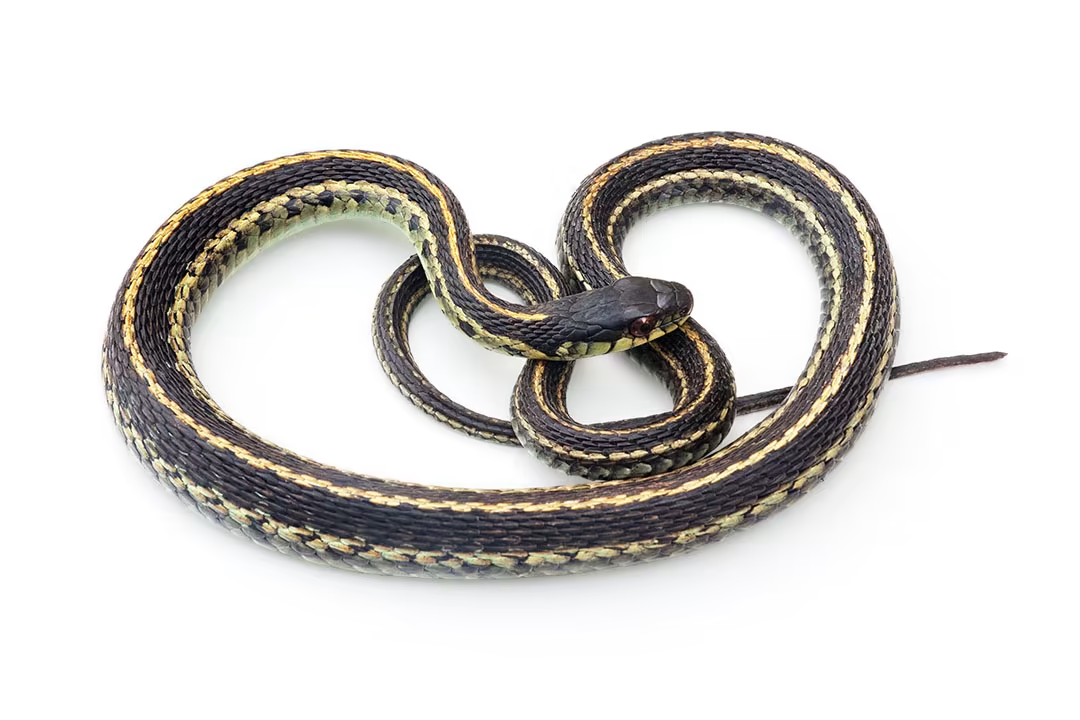
Learn how to take care of Garter & Water Snakes, recommended diet and habitat setup. Find the right food, supplies and equipment at your neighborhood Petco.
Updated on November 13th, 2025
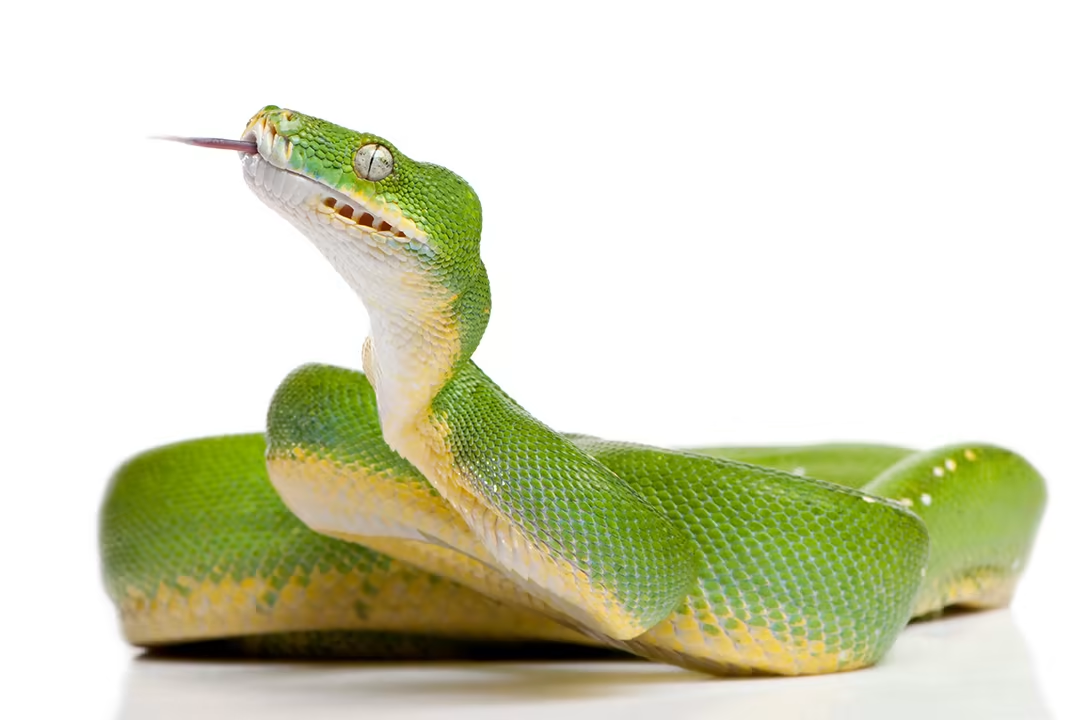
Learn how to take care of your Green Tree Python, tank size, diet & habitat setup. Find the right food, supplies and equipment at your neighborhood Petco.
Updated on November 13th, 2025
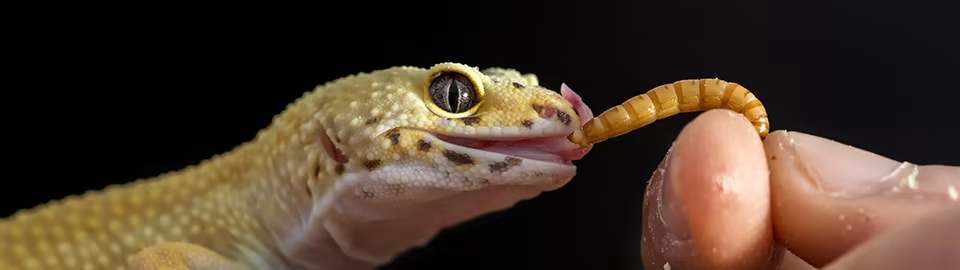
Do you have questions about what to feed a reptile? Petco has the answers! Visit us to learn about reptile dietary needs.
Updated on November 13th, 2025
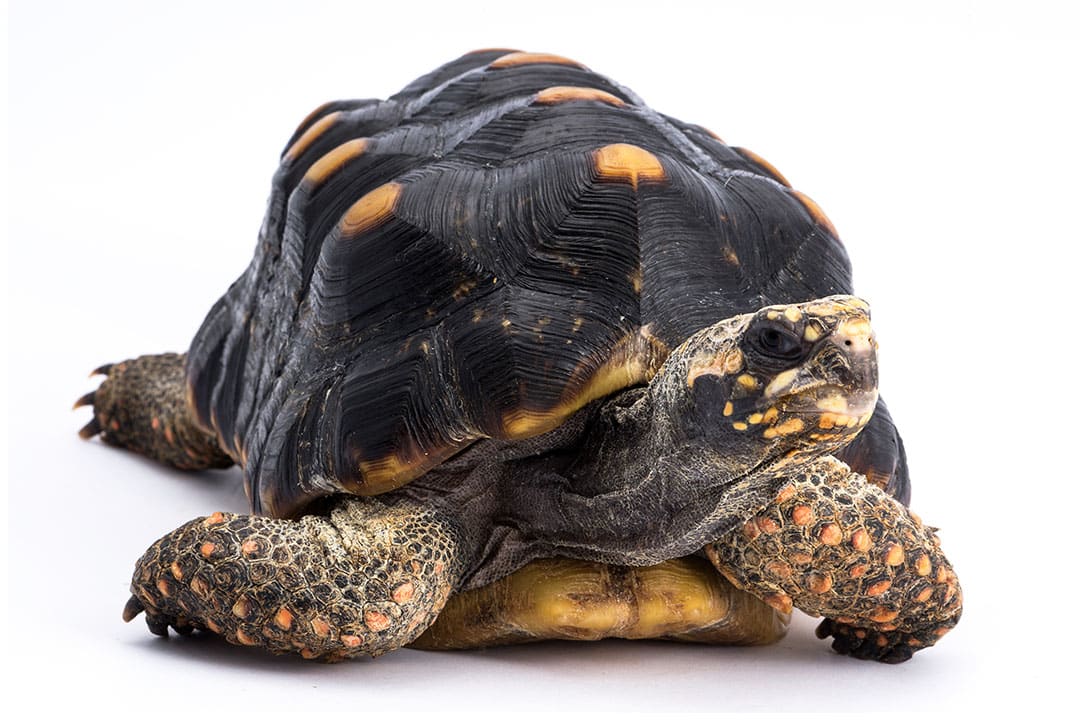
Learn how to care for tropical tortoise, recommended diet & habitat setup. Find the right food, supplies & equipment at your neighborhood Petco.
Updated on November 13th, 2025
The addition of an under-tank heater can change the temperature of an enclosure significantly. To determine what the temperatures are within Ladon's enclosure, I would recommend utilizing digital thermometers. These should be located on both the warm and cool end of the enclosure, and should be located at Ladon's level (not higher or lower than him). With that information, you can tell if the temperatures are now too hot or not. I would also recommend that you have hides present on both the cool end and on the warm end - this will provide Ladon with choices within his enclosure as well. With the water bowl, this may also be related to his enclosure temperature. I would recommend monitoring for any changes once you have determined if the temperatures are appropriate for his species. You can refer to a care sheet if needed to gather temperature information. I hope that answers your question, and thanks for using Boop by Petco!
Updated on August 12th, 2025
A proper diet for red-eared sliders includes a complete pellet, such as those made by ReptoMin, and dark leafy green vegetables. This can be fed once per day, and the amount should be based on how many pellets Cooper can eat in 5-7 minutes. This is just a guideline, and your veterinarian can help you to determine if this is appropriate based on Cooper's body condition score (i.e. whether she is overweight or not). For a heat lamp - photo 1 just looks like the dome, and there doesn't appear to be a bulb in it. The second lamp looks like it is a daytime only heat lamp - it is often beneficial to have a heat source that can be used during the day or at night, and if that is what you are looking for, I would recommend a ceramic heat bulb. If you are looking for only a daytime basking bulb, there are many brands that would be appropriate. The key words that you should look for are "daytime basking bulb." For watts - it depends on how far the bulb is away from your turtle - there are some b
Updated on August 12th, 2025

Corn snakes can grow to as long as 5 feet. On average, they grow to 3-4 feet. A 10 gallon tank is too small. At minimum, a 20 gallon enclosure is recommended. A temp range of 75F-85F is best. They do not "need" a UVB light source but seem to be healthier with one. At 2 years of age, it should be eating adult mice. If it can't, feed whatever you can to get it back into a positive plane of nutrition so it can grow properly. Consider an exam with your veterinarian or an experienced herp vet to diagnose and treat any pre exiting conditions. Submit a stool sample to diagnose intestinal parasites. More information regarding care can be found here: http://www.anapsid.org/corn.html
Updated on August 12th, 2025
Use a background to block his view. This may prevent glass surfing or nose rubbing as well as provide more privacy/security. Again, check the temps in his enclosure to make sure it is species appropriate. Offer a variety of crickets, mealworms, dubia roaches, silkworms and wax worms. Gut load prey for 24 hours prior to offering. Dust appropriately with vitamins and minerals regularly. He may also benefit from a soak in a warm 50/50 solution of water and unflavored PediaLyte. If his appetite does not return after adjustments to environment and diet, have him examined by your veterinarian or a vet experienced in treating reptiles. Submit a stool sample to diagnose intestinal parasites or bacterial overgrowth.
Updated on August 12th, 2025
Ideally, a 10 gallon tank is the smallest enclosure that should be used for one anole. You will need a UVB light source as well as a heat lamp. The brown color is likely due to stress. The link below will provide a list of items required as well as information on basic care. http://www.anapsid.org/anole.html
Updated on August 12th, 2025