Two Easy Ways to Start Earning Rewards!
Earn 2X Pals Rewards points at Petco
when you use Petco Pay!
Get It Today
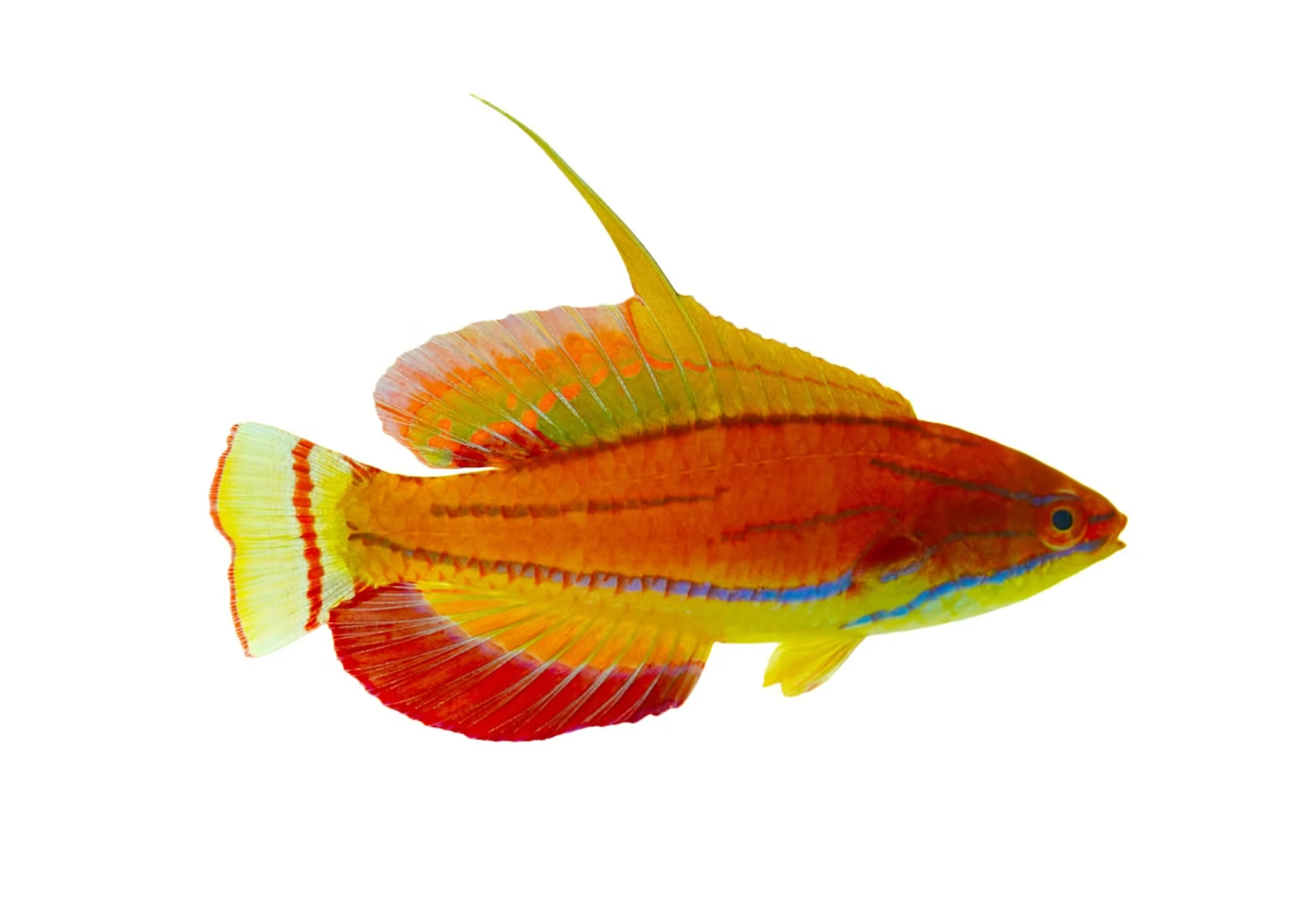
Learn how to care for a reef-safe wrasse, recommended diet and aquarium setup. Find wrasse for sale, supplies and equipment at your neighborhood Petco.
Updated on November 13th, 2025
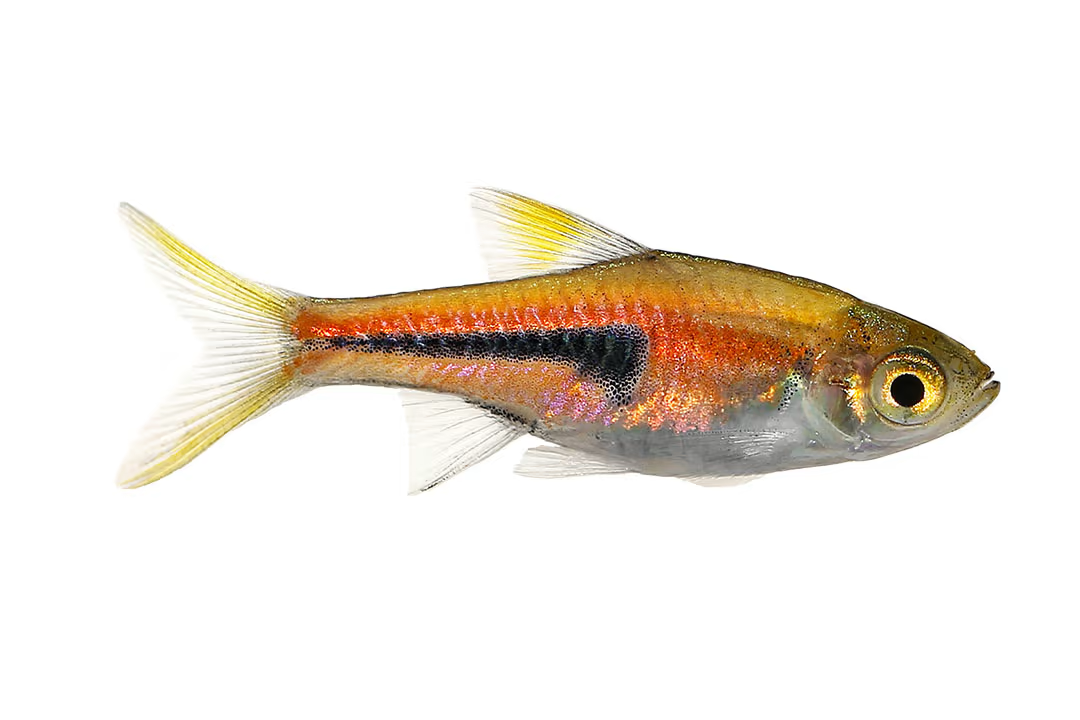
Learn how to care for semi-aggressive fish, recommended diet & aquarium setup. Find the right food, supplies & equipment at your neighborhood Petco.
Updated on November 13th, 2025
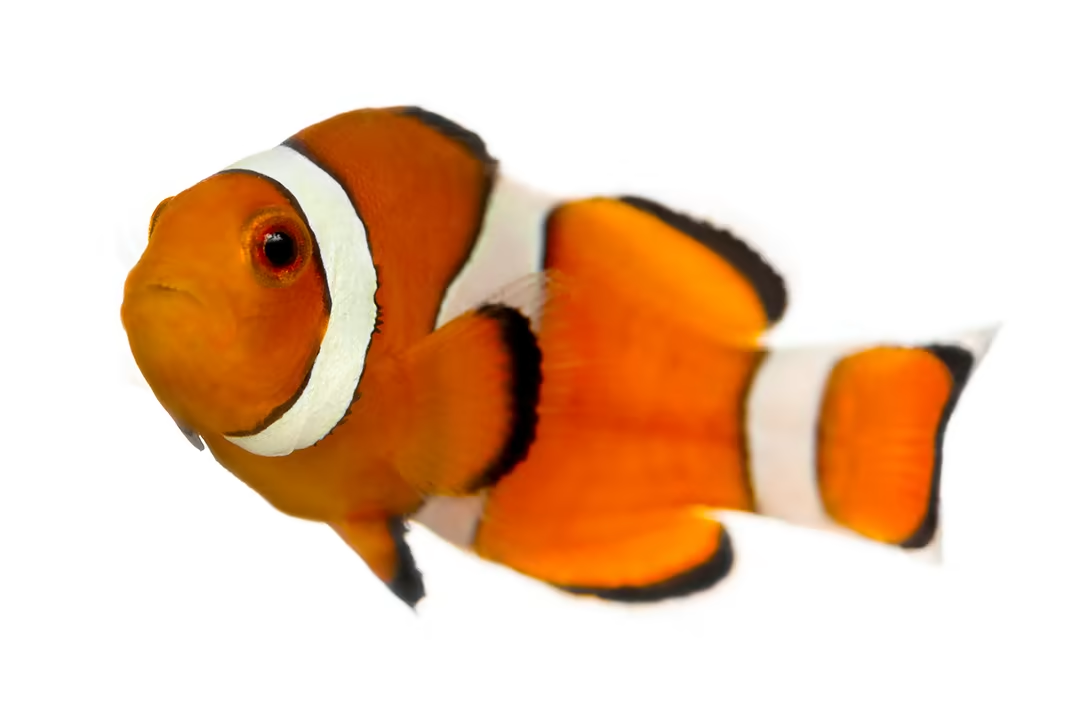
Learn how to care for a Clownfish, recommended diet and aquarium setup. Find Clownfish for sale, supplies and equipment at your neighborhood Petco.
Updated on November 13th, 2025
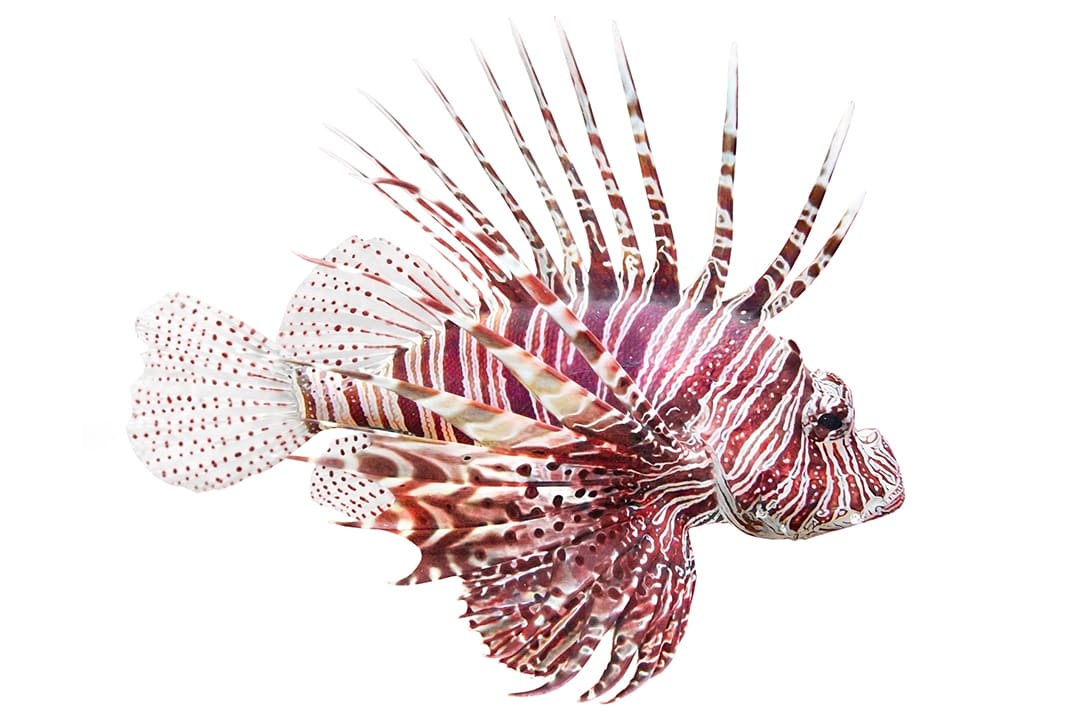
Learn how to take care of your Lionfish, recommended tank size, diet and tank mates. Find the right food, supplies and equipment at your neighborhood Petco.
Updated on November 13th, 2025
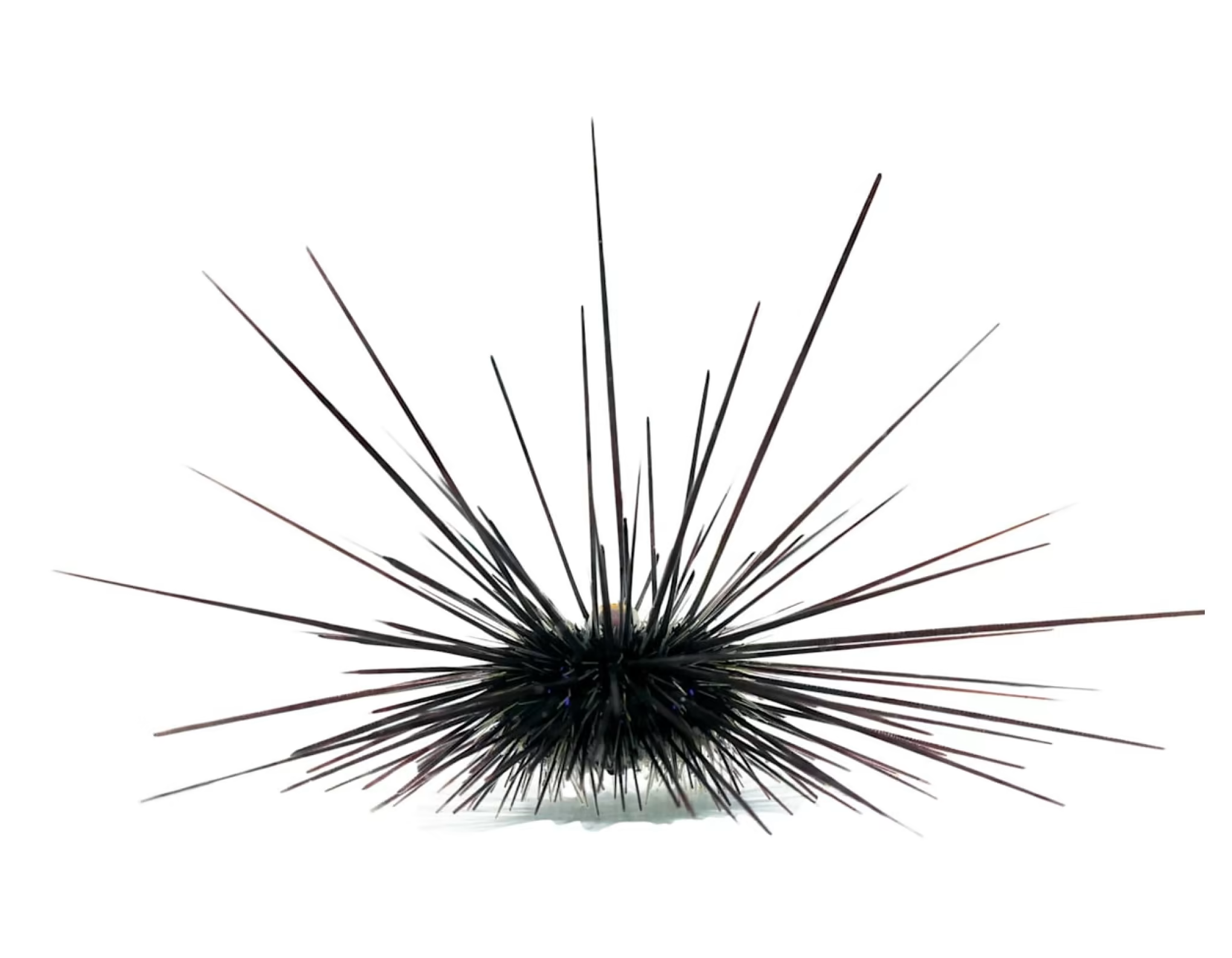
Learn how to care for an urchin, recommended diet and aquarium setup. Find urchins for sale, supplies and equipment at your neighborhood Petco.
Updated on November 13th, 2025
I would suggest either a Neon Goby, Yellowline Goby or Sharknose Goby (Elactinus spp.), Court Jester Goby (Koumansetta rainfordi) also make wonderful additions, A Small Basslet of the genus Liopropoma spp. or a Royal Gramma also should work well with your existing tankmates, and lastly another great group of fishes include Shrimp Goby of the genus Stonogobiops or Amblyeleotris. For shrimp goby, one bonded pair with their commensal snapping shrimp of the genus Alpheus makes a fascinating addition to smaller marine reef aquaria.
Updated on August 12th, 2025
Bottom feeders such as plecos or corydoras catfish will do well in a tank of angelfish. Other community fish include silver dollars and the larger Tetra species. Monitor for fin nipping and remove fish if necessary. You have a lovely tank and the angels look very nice in it. Be cautious when adding fish as you may overload your tank. The angels will grow as will any additions and your tank may not be able to support the population. This could lead to poor water quality, aggression and sick fish.
Updated on August 12th, 2025
Thanks for reaching out about your aquarium. Parrot fish do possess teeth-like apparatus on the upper and lower jaw, capable of chewing invertebrates and coral. Using tongs to reach in for plants and other "furniture". Adding a male flower horn could interrupt the dynamics of the group, but also they could get around well. Human bite wounds from fish can possibly lead to infections from the water column, so cleaning your hands with soap and water anytime you enter your hands into the tank is recommended. When adding new fish, especially if concerned about aggression, providing plenty of hiding spots is important and monitoring the fish for aggression is mandatory. Be prepared to remove fish if aggression occurs. Good luck.
Updated on August 12th, 2025
Check the water chemistry and temperature. Use a home test kit or submit a water sample to test fro elevated ammonia or nitrite levels. Most pet stores will do this for free or for a small fee. Partial water changes can be done, if indicated, to stabilize chemistry and improve or maintain water quality. Ideally, you want 0 ppm ammonia and nitrites with nitrates at 20 ppm or less in a non-planted tank or 40 ppm or less in a planted tank. Use only aged or conditioned water that is temperature matched to prevent stress or shock. You'll need to keep the temp at the upper limits for Red Tails in order to keep the Angelfish comfortable. That would be in the 78F to 80 F range. Both have similar pH requirements, 6.8 to 7.5. You can fast the Angel for 2-3 days then feed bits of cooked, shelled green peas. This will usually resolve constipation and bloating. Pristine water quality may resolve the patch on your shark. Recommending a medication without more information or a clear image would be
Updated on August 12th, 2025
Before you buy any fish, you will need to set up the tank. A basic set up includes: a tank, filter, hood/light, heater, gravel and some decor. The tank should run without fish for at least 4 to 6 weeks. This gives it time to cycle. The Nitrogen Cycle is critical to the health of the tank and any fish you will be keeping. During this time, beneficial bacterial will populate the filter and substrate (gravel). These bacteria will be responsible for breaking down fish wastes and other wastes (uneaten food, dead plants, etc.). You will need a home test kit to monitor water chemistry (ammonia, nitrites, nitrates, pH) or you will have to submit water samples for testing. Most pet stores will do this for free or for a small fee. At first, you will see high levels of ammonia and nitrites. Over time, as bacteria grow, these levels will drop. When ammonia and nitrites are at 0 ppm and nitrates are below 20 ppm, you can consider adding fish. Regular (every 1 or 2 weeks) partial water changes as we
Updated on August 12th, 2025